
Synopsis
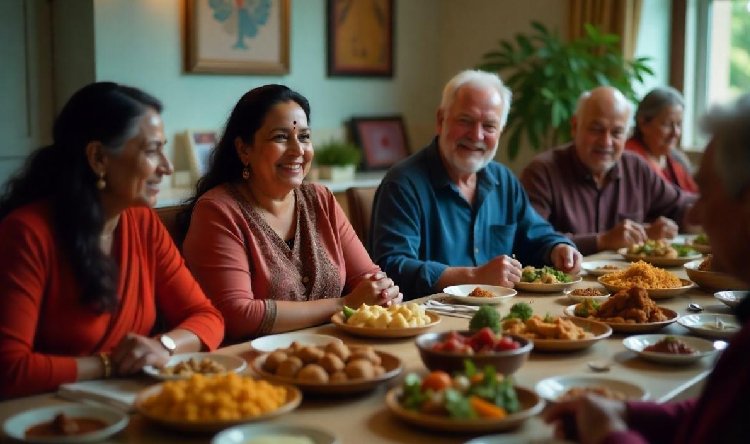
Social groups for older adults are more than just a way to pass the time—they’re a gateway to building connections, rediscovering joy, and enriching the golden years. Designed to cater to the unique needs of older adults, these groups bring together like-minded individuals for meaningful engagement, learning, and support. Whether participating in recreational activities, sharing cultural stories, or joining wellness workshops, social groups foster a sense of belonging and purpose. Explore how social groups for older adults transform lives by combating isolation, promoting well-being, and creating lasting friendships.
Table of Contents
- Introduction: The Importance of Social Groups for Older Adults
- Why Social Groups Are Essential for Older Adults
- Combating Loneliness and Building Confidence
- Enhancing Mental and Emotional Well-Being
- Activities That Define Social Groups for Older Adults
- Recreational and Wellness Programs
- Knowledge Sharing and Cultural Events
- The Social and Emotional Benefits of Group Participation
- Fostering a Sense of Community
- Creating Support Networks and Lifelong Bonds
- Elder Special’s Approach to Social Groups
- Tailored Activities for Indian Seniors
- Encouraging Inclusivity and Connection
- Conclusion: Celebrating Life Through Social Groups
Introduction: The Importance of Social Groups for Older Adults
Social groups for older adults play a pivotal role in enriching lives by offering a platform for connection, learning, and joy. These groups allow seniors to step out of their routines, meet new people, and engage in activities that nurture their mental and emotional well-being.
As traditional family structures evolve, many seniors yearn for companionship and interaction. Social groups fill this gap, creating an inclusive environment where older adults can rediscover their zest for life and form meaningful relationships.
Why Social Groups Are Essential for Older Adults
Combating Loneliness and Building Confidence
Loneliness is a growing concern among older adults, especially those living independently. Social groups create a safe and supportive space where seniors can connect with others who share their interests and experiences.
By participating in these groups, older adults build confidence through social interaction, shared activities, and mutual support. The friendships formed within these groups often provide the emotional security and encouragement seniors need to navigate life’s challenges confidently.
Enhancing Mental and Emotional Well-Being
Social groups are a lifeline for mental and emotional well-being, offering activities that reduce stress and foster positivity. From group discussions to recreational games, these gatherings provide an outlet for self-expression and joy.
Engaging with peers in a relaxed setting helps seniors feel valued and appreciated, boosting their self-esteem. The emotional connections made in these groups serve as a foundation for lasting happiness and fulfilment.
Activities That Define Social Groups for Older Adults
Recreational and Wellness Programs
Recreational activities like music sessions, art workshops, and group games are integral to social groups for older adults. These programs provide fun and relaxation, ensuring participants feel rejuvenated.
Wellness programs focusing on fitness, mindfulness, and nutrition complement these recreational activities. Together, they offer a holistic approach to well-being, addressing physical and emotional health.
Knowledge Sharing and Cultural Events
Cultural events and knowledge-sharing sessions are highlights of social groups, celebrating the experiences and traditions of older adults. Storytelling sessions, festival celebrations, and guest lectures create opportunities for learning and connection.
These activities keep seniors intellectually engaged and strengthen their sense of identity and pride. Participating in cultural discussions makes seniors feel more connected to their roots and community.
The Social and Emotional Benefits of Group Participation
Fostering a Sense of Community
Social groups give older adults a sense of belonging, creating a community that values their presence and contributions. Seniors develop a strong sense of camaraderie by participating in shared activities and celebrations.
This sense of community offers emotional security and a support system that extends beyond the group, enriching participants’ lives in meaningful ways.
Creating Support Networks and Lifelong Bonds
One of the most significant outcomes of social groups is the formation of lifelong friendships. These connections often become a source of emotional and practical support for seniors.
Whether sharing stories, collaborating on projects, or simply spending time together, the bonds formed in these groups are invaluable. For many older adults, these friendships provide comfort, joy, and a renewed sense of purpose.
Elder Special’s Approach to Social Groups
Tailored Activities for Indian Seniors
Elder Special takes a culturally sensitive approach to organising social groups for Indian seniors. From festival celebrations to spiritual discussions, the activities are designed to reflect the traditions and values of older adults in India.
By curating programs that resonate with their audience, Elder Special ensures that every gathering is meaningful and enriching. These tailored experiences help seniors feel connected to their roots while exploring new growth opportunities.
Encouraging Inclusivity and Connection
Inclusivity is a cornerstone of Elder Special’s philosophy. Our social groups welcome seniors from diverse backgrounds, creating an environment where everyone feels respected and supported.
Through thoughtful planning and engaging activities, we foster connections beyond the surface, creating a space where seniors can thrive emotionally, socially, and mentally.
Conclusion: Celebrating Life Through Social Groups
Social groups for older adults are about more than just activities—building connections, rediscovering purpose, and embracing life with joy. These gatherings provide a platform for seniors to engage, learn, and grow in a supportive community. With Elder Special’s thoughtfully designed social groups, seniors in India can celebrate their golden years with renewed energy, confidence, and belonging.
FAQs
What are social groups for older adults, and why are they important?
Social groups for older adults are organised gatherings designed to foster social interaction, learning, and engagement among seniors. These groups offer a platform where older adults can connect with peers, participate in activities, and form meaningful relationships. They are important because they combat loneliness, promote mental and emotional well-being, and provide a sense of purpose. By joining social groups, seniors can lead more fulfilling lives and enjoy a supportive community.
What activities do social groups for older adults typically include?
Social groups for older adults include various activities, such as recreational games, wellness programs, and storytelling sessions. Cultural events, art workshops, and group discussions are also common. Some groups offer knowledge-sharing sessions, such as guest lectures or hobby classes. These activities are thoughtfully designed to engage seniors physically, mentally, and emotionally, ensuring an enriching experience.
How do social groups help older adults combat loneliness?
Social groups create a welcoming environment where older adults can interact with like-minded peers. Seniors develop meaningful connections and build a sense of belonging through regular meetups and shared activities. These interactions reduce loneliness and isolation, replacing them with companionship and joy. For many seniors, social groups become a source of emotional support and friendship that significantly enhances their quality of life.
Are social groups for older adults inclusive of individuals with different abilities?
Social groups are designed to be inclusive and accessible for individuals with varying abilities. Activities are planned to accommodate different physical and cognitive needs, ensuring everyone can participate comfortably. Venues are chosen for their accessibility features, such as ramps and elevators, and assistance is often available for those who require it. This inclusivity ensures that all seniors can enjoy and benefit from the activities offered by social groups.
How do cultural activities in social groups benefit older adults?
Cultural activities celebrate the traditions and experiences of older adults, fostering a sense of pride and connection to their roots. Activities like storytelling, festival celebrations, and heritage discussions allow seniors to share their cultural knowledge and memories. These events also create opportunities for socialisation and learning, enriching the community. Participating in artistic activities makes seniors feel valued and engaged, enhancing their emotional well-being.
Can social groups improve older adults' mental and emotional health?
Yes, social groups have a significant positive impact on the mental and emotional health of older adults. Engaging in group activities and discussions provides an outlet for self-expression and reduces stress. The sense of belonging and support created within social groups boosts self-esteem and promotes a positive outlook on life. Social groups help seniors maintain emotional balance and mental clarity by fostering connections and meaningful engagement.
Are family members involved in social groups for older adults?
While social groups are primarily designed for older adults, some events may involve family members to encourage intergenerational bonding. These gatherings allow family members to participate in activities, share experiences and celebrate special occasions with seniors. Such events strengthen family ties and create cherished memories for seniors and their loved ones.
How do social groups for older adults promote lifelong learning?
Social groups often include workshops and sessions that inspire lifelong learning among seniors. These might cover technology usage, financial literacy, or creative arts. By engaging in these activities, older adults can explore new interests, develop skills, and stay intellectually active. Lifelong learning fosters a sense of accomplishment and keeps seniors curious and motivated, enhancing their overall well-being.
How do recreational activities in social groups benefit older adults?
Recreational activities like music sessions, games, and art workshops allow older adults to relax, have fun, and engage with others. These activities improve mental clarity, reduce stress, and enhance physical health by encouraging light movement and social interaction. Participating in recreational activities also boosts mood and fosters a sense of accomplishment, making them a valuable part of social groups.
How do social groups align with the goals of Elder Special?
Social groups align with Elder Special’s mission of creating inclusive, vibrant communities for seniors. These gatherings promote active living, emotional well-being, and lifelong learning. By offering tailored activities and fostering connections, Elder Special ensures that older adults feel valued and empowered. Social groups are a cornerstone of Elder Special’s efforts to enrich the lives of seniors in meaningful ways.
Are social groups suitable for introverted seniors?
Yes, social groups are welcoming and inclusive for introverted seniors. Activities are structured to encourage participation without pressure, allowing introverts to engage at their own pace. Over time, the supportive environment helps introverted seniors feel more comfortable and confident in social settings. Many introverts find that social groups provide a perfect balance of interaction and personal growth, enriching their lives in meaningful ways.
How do social groups benefit seniors with mobility challenges?
Social groups are designed to be accessible and inclusive for seniors with mobility challenges. Activities are planned to accommodate varying physical abilities, and venues have features like ramps and elevators. On-site assistance is often available to ensure seniors with mobility challenges can participate comfortably. This inclusivity allows all seniors to enjoy group participation’s social, emotional, and mental benefits.