
Synopsis
Social engagement for seniors is a cornerstone of healthy ageing, creating opportunities for older adults to connect, thrive, and rediscover joy. Through community meetups, recreational activities, and wellness programs, seniors build meaningful relationships and enhance their emotional and mental well-being. These engagements promote a sense of purpose, Confidence, and belonging, empowering seniors to lead vibrant and fulfilling lives. Explore how social engagement transforms the lives of older adults and strengthens senior communities.
Table of Contents
- Introduction- The Power of Social Engagement for Seniors
- Benefits of Social Engagement for Older Adults
- Improving Mental and Emotional Well-Being
- Reducing Loneliness and Isolation
- Activities That Foster Social Engagement
- Recreational and Wellness Programs
- Cultural and Collaborative Initiatives
- How Social Engagement Builds Confidence in Seniors
- Encouraging Participation and Leadership
- Creating Supportive and Inclusive Communities
- Elder Special’s Role in Promoting Social Engagement
- Tailored Programs for Senior Communities
- Nurturing Meaningful Relationships
- Conclusion- Rediscovering Joy Through Social Engagement
Introduction- The Power of Social Engagement for Seniors
Social engagement is more than just a pastime for seniors—it’s a pathway to connection, joy, and fulfilment. By participating in social activities and joining community events, older adults enhance their emotional well-being and build meaningful relationships.
These interactions foster a sense of belonging, reduce stress, and provide opportunities for personal growth. For seniors, social engagement is vital to leading an active, healthy, and happy life.
Benefits of Social Engagement for Older Adults
Improving Mental and Emotional Well-Being
Social engagement plays a crucial role in enhancing seniors’ mental and emotional health. Group discussions, recreational games, and mindfulness exercises promote relaxation and positivity.
These interactions boost self-esteem, reduce stress, and create an environment where seniors feel valued and supported. Engaging socially helps older adults develop resilience and a more optimistic outlook.
Reducing Loneliness and Isolation
Loneliness is a common challenge among older adults, but social engagement offers a powerful solution. By joining community events and participating in group activities, seniors develop a sense of camaraderie and trust.
These connections alleviate feelings of isolation, creating a network of emotional support that enriches daily life. Social engagement ensures that seniors feel connected and never alone.
Activities That Foster Social Engagement
Recreational and Wellness Programs
Recreational activities like yoga, group walks, and creative workshops provide seniors with opportunities to stay active and engaged. These programs combine physical movement with social interaction, promoting holistic well-being.
Wellness programs such as meditation sessions and nutrition discussions encourage healthier lifestyles while fostering meaningful connections among participants.
Cultural and Collaborative Initiatives
Cultural activities like storytelling, festival celebrations, and heritage discussions unite seniors to share traditions and experiences. These engagements foster pride and create opportunities for bonding.
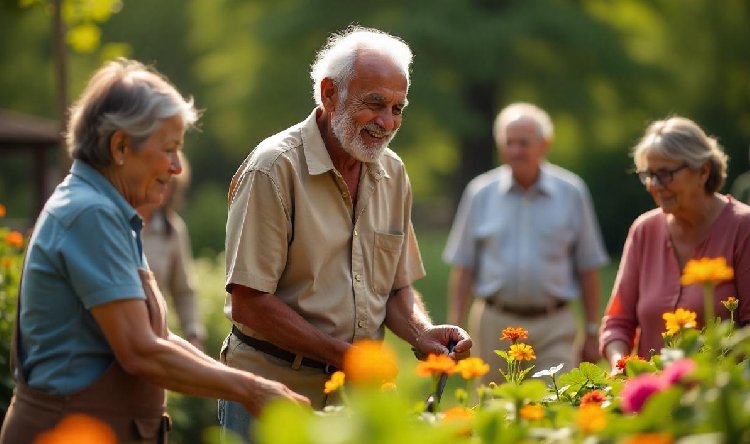
Collaborative projects, such as community gardening or volunteer programs, encourage teamwork and a sense of accomplishment. These initiatives strengthen seniors’ sense of community.
How Social Engagement Builds Confidence in Seniors
Encouraging Participation and Leadership
Social engagement empowers seniors to step into active roles within their communities. Activities like hosting events, leading discussions, or mentoring peers build Confidence and a sense of purpose.
These opportunities allow seniors to showcase their skills and contribute meaningfully, reinforcing their self-worth and leadership abilities.
Creating Supportive and Inclusive Communities
Inclusive social environments ensure that every senior feels welcomed and valued. Older adults develop trust and empathy by participating in group activities and creating supportive networks.
These communities foster collaboration and mutual respect, enabling seniors to thrive emotionally, socially, and mentally. The sense of belonging strengthens their Confidence and overall well-being.
Elder Special’s Role in Promoting Social Engagement
Tailored Programs for Senior Communities
Elder Special designs programs that cater to the unique needs and interests of Indian seniors. Activities like yoga, storytelling, and festival celebrations resonate deeply with participants, ensuring meaningful engagement.
By curating diverse and inclusive programs, Elder Special empowers seniors to explore new opportunities and connect with like-minded peers.
Nurturing Meaningful Relationships
At the heart of Elder Special’s mission is creating vibrant senior communities. Facilitators ensure that every participant feels comfortable and engaged, fostering genuine connections.
These relationships extend beyond the events, creating lasting bonds that enrich the lives of seniors and their families. Elder Special’s approach transforms social engagement.
Conclusion- Rediscovering Joy Through Social Engagement
Social engagement for seniors is a celebration of connection, growth, and joy. By participating in community events and activities, older adults rediscover their passions, build Confidence, and create meaningful relationships. Elder Special’s commitment to fostering vibrant communities ensures every senior experiences a sense of belonging, purpose, and fulfilment. Together, we can transform ageing into an inspiring journey of connection and joy.
FAQs
What is social engagement for seniors, and why is it important?
Social engagement for seniors refers to activities and programs encouraging older adults to connect, interact, and build relationships within their community. It is important because it reduces loneliness, enhances emotional well-being, and fosters a sense of purpose. Engaging socially helps seniors stay active, mentally stimulated, and emotionally balanced, contributing to a higher quality of life.
How does social engagement improve the mental health of older adults?
Social engagement creates opportunities for seniors to connect with peers, share experiences, and participate in meaningful activities. These interactions reduce stress, combat feelings of isolation, and boost self-esteem. Group activities like discussions, recreational games, and wellness workshops stimulate cognitive functions and promote emotional resilience, significantly improving mental health.
What types of activities promote social engagement among seniors?
Activities that promote social engagement include group fitness sessions, storytelling, cultural celebrations, and wellness programs like yoga or meditation. Collaborative projects such as community gardening or volunteering also foster teamwork and connection. Recreational activities like board games, music sessions, and creative workshops encourage interaction and fun, making them ideal for building social bonds.
How do cultural activities enhance social engagement for seniors?
Cultural activities such as heritage storytelling, festival celebrations, and traditional music sessions allow seniors to connect with their roots and share their traditions. These programs create a sense of pride and nostalgia while fostering mutual respect and understanding among participants. Seniors form deeper connections and build vibrant community relationships by engaging in cultural activities.
Are social engagement programs inclusive for seniors with physical challenges?
Social engagement programs are designed to be inclusive and accessible for seniors with varying physical abilities. Activities are tailored to accommodate mobility challenges, and venues have accessibility features like ramps and elevators. Facilitators ensure that all participants feel comfortable and engaged, creating an environment where everyone can thrive.
How do social engagement programs reduce loneliness in seniors?
Social engagement programs provide a platform for seniors to connect with peers and participate in group activities. These interactions create a sense of belonging and emotional support, replacing feelings of loneliness with companionship and trust. By forming meaningful relationships, seniors build networks that enrich their lives and reduce isolation.
Can introverted seniors benefit from social engagement programs?
Absolutely. Social engagement programs are structured to encourage participation at a comfortable pace, making them ideal for introverted seniors. Activities are designed to be inclusive and welcoming, helping introverts gradually build confidence and form connections. Over time, they often find these programs transformative, enhancing their social and emotional well-being.
How do social engagement activities foster a sense of purpose in seniors?
Social engagement activities empower seniors to take active roles in their community through hosting events, mentoring peers, or participating in collaborative projects. These opportunities reinforce their sense of purpose and self-worth. Contributing meaningfully makes seniors feel valued and motivated, leading to a more fulfilling and purpose-driven life.
Are family members involved in social engagement programs for seniors?
While most social engagement programs are designed for seniors, certain events may include family members to promote intergenerational bonding. Special occasions like festival celebrations or themed gatherings offer opportunities for families to participate together. These shared experiences strengthen family ties and create cherished memories for seniors and their loved ones.
How do social engagement programs align with Elder Special’s mission?
Social engagement programs align with Elder Special’s mission to create inclusive and vibrant communities for seniors. By offering tailored activities that address older adults’ cultural, emotional, and social needs, these programs promote active living and meaningful connections. Elder Special’s approach ensures seniors feel valued, supported, and inspired to embrace their golden years.
How do wellness activities contribute to social engagement for seniors?
Wellness activities like yoga, meditation, and fitness sessions encourage seniors to stay physically active while interacting with peers. These programs promote relaxation, improve health, and create opportunities for bonding. Wellness activities are often combined with group discussions or recreational games, making them a holistic approach to social engagement.
What role does storytelling play in senior social engagement?
Storytelling is a powerful tool for social engagement, allowing seniors to share their experiences and connect with others. These sessions create opportunities for self-expression, empathy, and mutual understanding. Listening to and sharing stories fosters community, helping seniors form meaningful relationships and build emotional connections.