
Synopsis
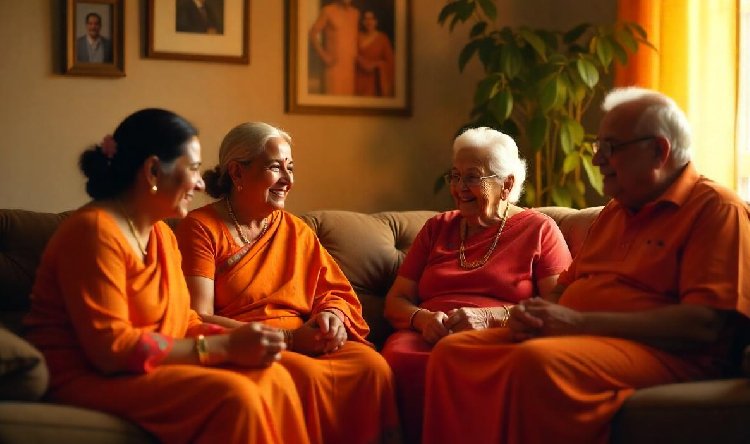
Social groups for older adults are vibrant communities where seniors come together to connect, share experiences, and thrive. These groups offer a diverse range of activities, from cultural celebrations to wellness workshops, catering to the needs and interests of older adults. These groups combat loneliness, promote mental well-being, and create a sense of belonging by fostering social engagement. Discover how social groups empower seniors to embrace life, build lasting friendships, and enjoy meaningful connections within their community.
Table of Contents
- Introduction- The Role of Social Groups in Senior Well-Being
- Benefits of Social Groups for Older Adults
- Enhancing Emotional and Mental Health
- Building a Supportive Community
- Activities in Social Groups for Seniors
- Recreational and Creative Pursuits
- Wellness and Fitness Programs
- How Social Groups Transform Seniors’ Lives
- Building Confidence and Self-Worth
- Encouraging Lifelong Learning
- Elder Special’s Approach to Social Groups
- Tailored Programs for Indian Seniors
- Creating Inclusive and Welcoming Spaces
- Conclusion- Embracing Life Through Social Groups for Older Adults
Introduction- The Role of Social Groups in Senior Well-Being
Social groups for older adults serve as a vital platform for connection, engagement, and joy. By bringing seniors together, these groups create opportunities for meaningful interactions that enhance emotional and mental well-being.
Participating in social groups fosters a sense of belonging and purpose for older adults, empowering them to lead active and fulfilling lives. These communities offer a safe and supportive environment where seniors can rediscover their passions and celebrate life’s golden years.
Benefits of Social Groups for Older Adults
Enhancing Emotional and Mental Health
Social groups allow seniors to express themselves, share experiences, and form emotional connections. These interactions reduce loneliness, boost self-esteem, and promote emotional balance.
Group discussions, storytelling, and mindfulness sessions stimulate mental well-being and help seniors develop a positive outlook. The supportive atmosphere of social groups fosters resilience and happiness among participants.
Building a Supportive Community
Social groups create a sense of community where seniors feel valued, respected, and included. These gatherings encourage teamwork and collaboration, strengthening bonds among participants.
By building a network of supportive relationships, seniors gain emotional and practical support, enriching their lives and enhancing their well-being.
Activities in Social Groups for Seniors
Recreational and Creative Pursuits
Recreational activities like board games, music sessions, and creative workshops bring energy and excitement to social groups. These programs encourage self-expression and collaboration, making them enjoyable and enriching.
Creative pursuits such as painting, crafting, and storytelling allow seniors to explore their talents and share their experiences, fostering a sense of achievement and pride.
Wellness and Fitness Programs
Wellness programs in social groups focus on physical and mental health, offering activities like yoga, meditation, and light fitness exercises. These sessions improve mobility, flexibility, and relaxation, promoting a healthier lifestyle.
Group fitness activities add a fun and engaging element to social groups, encouraging seniors to stay active and connected.
How Social Groups Transform Seniors’ Lives
Building Confidence and Self-Worth
Social groups empower seniors to participate actively, try new activities, and take on leadership roles. These opportunities build confidence and reinforce their sense of self-worth.
By engaging in diverse programs, seniors rediscover their strengths and feel motivated to embrace life’s opportunities.
Encouraging Lifelong Learning
Many social groups incorporate educational sessions or knowledge-sharing activities that inspire seniors to learn and grow. These programs, from technology tutorials to wellness seminars, keep older adults mentally sharp and engaged.
Lifelong learning fosters curiosity and intellectual stimulation, enriching the overall experience of participating in social groups.
Elder Special’s Approach to Social Groups
Tailored Programs for Indian Seniors
Elder Special designs social group programs that reflect the cultural and emotional needs of Indian seniors. Activities like festival celebrations, yoga sessions, and storytelling resonate deeply with participants, ensuring meaningful engagement.
Elder Special creates programs that inspire and connect seniors by catering to diverse interests and preferences.
Creating Inclusive and Welcoming Spaces
Inclusivity is at the heart of Elder Special’s social groups. These gatherings are designed to welcome seniors of all backgrounds, ensuring that everyone feels comfortable and valued.
Facilitators provide support and encouragement, creating an environment where seniors can connect, thrive, and celebrate life together.
Conclusion- Embracing Life Through Social Groups for Older Adults
Social groups for older adults redefine ageing by fostering connection, engagement, and joy. They empower seniors to build relationships, explore new interests, and enhance their well-being. Elder Special’s commitment to creating vibrant communities ensures every senior experiences a sense of belonging, purpose, and fulfilment. Together, we can create spaces where older adults thrive and celebrate life’s golden years.
FAQs
What are social groups for older adults, and why are they important?
Social groups for older adults are organised gatherings where seniors participate in activities, build connections, and engage in meaningful experiences. They are important because they provide a sense of community, reduce loneliness, and enhance emotional and mental well-being. These groups empower seniors to lead active, fulfilling lives while fostering friendships and a sense of belonging.
What activities are offered in social groups for older adults?
Social groups for older adults offer a variety of activities, including recreational games, creative workshops, cultural events, and wellness programs like yoga or meditation. Group discussions, storytelling, and collaborative projects are also common. These activities are tailored to the interests and abilities of seniors, ensuring that everyone feels engaged and valued.
How do social groups improve mental health for seniors?
Social groups create opportunities for interaction, self-expression, and emotional support, all contributing to better mental health. Group activities reduce stress, boost self-esteem, and provide a sense of purpose. The connections formed within these groups foster positivity and resilience, significantly enhancing the mental well-being of seniors.
Are social groups inclusive for seniors with mobility challenges?
Social groups are designed to be inclusive and accessible to seniors with mobility challenges. Activities are adapted to accommodate varying physical abilities, and venues are chosen for their accessibility features, such as ramps and elevators. Facilitators ensure that all participants feel comfortable and included, creating a welcoming environment.
How do cultural activities benefit seniors in social groups?
Cultural activities like storytelling, festival celebrations, and heritage discussions allow seniors to connect with their roots and share their traditions. These engagements foster pride, nostalgia, and a sense of identity. Sharing cultural moments with peers strengthens bonds and enriches the overall experience of being part of a social group.
Can introverted seniors benefit from social groups?
Absolutely. Social groups are structured to encourage participation at a comfortable pace, making them ideal for introverted seniors. Activities are designed to be inclusive and non-intimidating, helping introverts gradually build confidence and form meaningful connections. Many introverted seniors find these groups transformative and empowering.
How do wellness programs in social groups enhance seniors’ lives?
Wellness programs focus on physical and mental well-being, offering activities like yoga, meditation, and light fitness exercises. These sessions improve flexibility, mobility, and relaxation, contributing to overall health. Wellness programs promote emotional balance and provide seniors with tools to manage stress and lead healthier lives.
What role do recreational activities play in social groups for seniors?
Recreational activities bring energy, excitement, and joy to social groups. Games, music sessions, and creative pursuits encourage self-expression, collaboration, and social interaction. These activities are enjoyable and foster a sense of achievement and pride, boosting self-esteem among participants.
How do social groups help seniors build confidence?
Social groups provide a platform for seniors to try new activities, take on leadership roles, and share their experiences. These opportunities reinforce self-worth and encourage personal growth. By participating in diverse programs and forming meaningful relationships, seniors build confidence and embrace life’s challenges with resilience.
Are family members involved in social groups for older adults?
While social groups are primarily designed for seniors, some events may include family members to promote intergenerational bonding. Special occasions like festival celebrations or themed gatherings allow families to participate together. These events strengthen family ties and create cherished memories for seniors and their loved ones.
How do social groups align with Elder Special’s mission?
Social groups align with Elder Special’s mission to create vibrant, inclusive communities for seniors. By offering tailored activities that cater to the unique needs and interests of older adults, these groups promote active living, emotional well-being, and meaningful connections. Elder Special ensures that every participant feels valued, supported, and inspired to thrive in their golden years.
Are there costs associated with joining social groups for older adults?
Most social groups charge a nominal fee to cover expenses like venue rentals, materials, and facilitators. These fees are kept affordable to ensure accessibility for all seniors. The benefits of building connections, improving well-being, and enriching lives far outweigh the costs associated with participation.