
Synopsis
In the rapidly changing landscape of 2026, the Indian family system is finding new ways to bridge the gap between generations. With many children and grandchildren living in different cities or even countries, the structure of nuclear families often leaves a void for both seniors and the youth. This has given rise to a beautiful trend: the “Adopt-a-Grandchild” movement. For members of our senior citizen friendship club, the energy generated during their elder weekly meets on Tuesdays, Wednesdays, or Thursdays often overflows into their daily lives. By becoming informal mentors to neighborhood children, seniors are finding a renewed sense of purpose that complements their social life. This blog explores how engaging in elderly social activities and local mentorship creates a holistic “circle of care” that benefits the entire community.
Table of Contents
- The Purpose-Driven Senior: Why Mentorship Matters
- Bridging the Gap in Modern Nuclear Families
- How Elder Weekly Meets Fuel Community Engagement
- Teaching Technology to Elders: A Two-Way Street with Youth
- Elderly Social Activities: Moving Beyond the Meeting Room
- The Emotional Rewards of Intergenerational Mentorship
- Elder Special: Encouraging a Life of Contribution
The Purpose-Driven Senior: Why Mentorship Matters
As we age, the desire to pass on knowledge becomes a powerful motivator. In the traditional Indian family system, grandparents were the primary storytellers and teachers. Today, even if their own grandkids are far away, seniors are stepping into this role for local children. Whether it is helping with math, teaching a traditional craft, or simply sharing life lessons, this “Adopt-a-Grandchild” approach provides a deep sense of utility. It ensures that the wisdom gathered over decades is not lost but is used to shape the future, making the senior a “hero” in their local neighborhood.
Bridging the Gap in Modern Nuclear Families
Many children in nuclear families grow up without the daily presence of an elder, missing out on the stabilizing influence of a grandparent. Conversely, many seniors in a senior citizen group miss the vibrant energy of youth. By fostering these local connections, we create a “surrogate family” structure. This reduces loneliness for the elder and provides the child with a non-judgmental, patient mentor. These interactions are rare opportunities for connection that build empathy and character in the younger generation while keeping the senior mentally agile.
How Elder Weekly Meets Fuel Community Engagement
Our members often share their mentorship stories during their elder weekly meets. A Tuesday or Thursday chapter meeting is the perfect place to discuss “best practices” for teaching kids or to share the joy of a child’s progress. The peer support found at a senior citizen social meeting gives elders the confidence to reach out to their community. The meetup provides the social “recharge,” and the mentorship provides the daily “mission,” creating a balanced and fulfilling weekly routine.
Teaching Technology to Elders: A Two-Way Street with Youth
One of the most exciting aspects of these bonds is the exchange of skills. While the senior provides wisdom, the “adopted grandchild” often helps with digital literacy for seniors. A child might show an elder how to use a new educational app or how to record a video, while the elder teaches the child the art of calligraphy or chess. This “Reverse Mentorship” makes teaching technology to elders a fun, informal, and highly effective process, removing the intimidation factor of new gadgets.
Elderly Social Activities: Moving Beyond the Meeting Room
While the fixed-day, fixed-venue elderly social weekly meets and engagements are the anchor, the “Adopt-a-Grandchild” movement proves that social health happens everywhere. It turns a walk in the park or a visit to the local library into a meaningful event. These elderly social activities ensure that the senior is an integrated part of the local social fabric. It shifts the perception of seniors from being “retired individuals” to being “community anchors” who are vital to the well-being of the next generation.
The Emotional Rewards of Intergenerational Mentorship
Science shows that seniors who interact with children regularly have lower rates of depression and better cognitive function. The innocence and curiosity of a child are infectious, providing a natural boost to the elder’s mood. Within our senior citizen friendship club, we see that members who engage in such mentorship are often the most energetic and optimistic. The feeling of being “needed” and “respected” by a child is a powerful emotional tonic that enhances the benefits of their regular senior citizen social meets.
Elder Special: Encouraging a Life of Contribution
The ELDER SPECIAL Group believes that aging is a phase of “Giving Back.” We don’t just organize elderly parents weekly meetups; we inspire our members to lead lives of impact. Our brand stands for the “Active Mentor,” recognizing that every member has a treasure trove of experience to share. We provide the community where you can celebrate these connections, proving that your Tuesday or Thursday chapter is just the starting point for a life filled with purpose and love.
FAQs
How can I find a child to mentor if I don't have grandkids nearby?
The best place to start is your own neighborhood or apartment complex. You can offer to help with homework at the local community center or volunteer at a nearby school library. Often, just being present in common areas like parks during after-school hours leads to incidental meetings. Many parents in nuclear families are looking for safe, wise mentors for their children. Being part of a senior citizen meetup can also help, as other members may know of local opportunities or “Adopt-a-Grandchild” initiatives in your area.
What skills can I offer as a senior mentor?
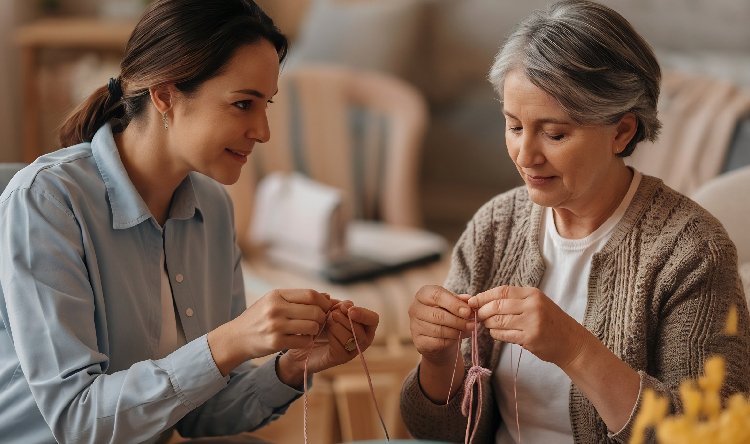
You would be surprised at how much you have to offer! Aside from academic help, skills like storytelling, gardening, traditional cooking, knitting, or even just the “art of conversation” are highly valued. Many children today lack the patience for “slow hobbies,” and you can provide that. Your life experiences—how you handled failure or how you built your career—are the most valuable lessons of all. Every member of a senior citizen social and cultural meeting has a unique “Legacy Skill” they can share.
Is it safe to mentor children in today’s world?
Safety is paramount. We always recommend mentoring in public or semi-public spaces, such as community gardens, libraries, or clubhouse hobby rooms. It is also important to build a relationship with the child’s parents first, ensuring they are comfortable and involved in the process. Many senior citizen meetup groups facilitate “Grandparent-Child” events that provide a structured and safe environment for these interactions. Open communication and transparency are the keys to a successful and safe mentorship.
How much time should I dedicate to this?
The beauty of this movement is its flexibility. It shouldn’t feel like a job. Even one hour a week, perhaps on a day when you don’t have your elder weekly meets, is enough to make a difference. The goal is to enrich your life and the child’s life, not to cause stress. Most seniors find that they naturally want to spend more time as the bond grows. Listen to your own energy levels and set boundaries that allow you to enjoy the process while staying committed to your own senior citizen social meeting schedule.
Can this help me if I am "retired with no friends"?
Absolutely. If you feel you are retired with no friends, mentorship is one of the fastest ways to break the ice in a community. It gives you a “role” and makes you visible to the families in your neighborhood. As you build a bond with a child, you naturally meet their parents and other mentors, expanding your social circle. This often serves as the perfect stepping stone toward having the confidence to join a senior citizens club where you can find peers who share your new passion for community contribution.