
Synopsis
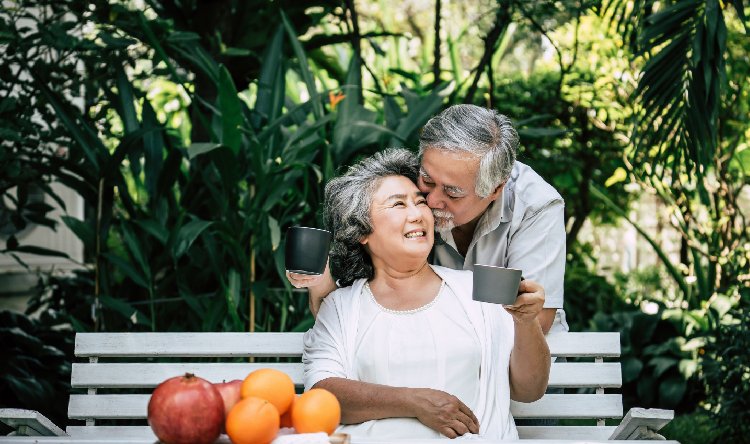
Loneliness among the aging population in India has reached a critical point, particularly as the traditional support structures of the past begin to fade. As more families transition into urban living, the phenomenon of elderly making friends has become a vital necessity for emotional survival and cognitive health. One of the most effective solutions emerging in 2026 is the concept of elder meetups, which provide a structured yet warm environment for seniors to rediscover the joy of community. By teaching technology to elders, platforms are now making it easier for seniors to find these local gatherings and stay connected between events. This shift is essential because the modern Indian family system is changing, often leaving seniors in nuclear families without the daily social stimulation they once enjoyed in joint households. Research consistently shows that for seniors, staying happy = healthy, as social engagement directly correlates with lower rates of depression and physical ailments. This blog explores how these meetups serve as a bridge to a more vibrant life, helping our seniors reclaim their social spark and build a support network that truly understands their journey.
Table of Contents
- The Loneliness Epidemic in Urban India
- How Elder Meetups Combat Social Isolation
- The Role of Technology in Senior Socialization
- Rebuilding the Indian Family System in 2026
- Why Staying Happy Equals Better Physical Health
- The Importance of Independence in Nuclear Families
- Elder Special: Your Partner in Active Aging
- Conclusion: A New Chapter of Connection
The Loneliness Epidemic in Urban India
The landscape of aging in India has shifted dramatically over the last decade, with millions of seniors finding themselves living in quiet homes while their children pursue global careers. This isolation is not merely a social inconvenience; it is a significant public health risk that affects mental clarity and physical vigor. For the single elderly struggling to find a sense of belonging, the walls of a modern apartment can often feel like a cage.
How Elder Meetups Combat Social Isolation
To address this, elder meetups have emerged as a sanctuary where seniors can interact with peers who share their cultural context and life experiences. These gatherings are specifically designed to foster an environment where elderly making friends happens naturally over tea, music, or shared hobbies. Unlike formal social events, these meetups prioritize genuine connection over protocol, allowing seniors to let their guard down and laugh freely.
The Role of Technology in Senior Socialization
A major barrier to connection in the past was the digital divide, but today, teaching technology to elders is a priority for community organizations. When we empower a senior to use a smartphone effectively, we are giving them the keys to a larger world. Mastering elders and mobile technology allows them to coordinate their own meetings, join interest-based WhatsApp groups, and navigate to event venues independently.
Rebuilding the Indian Family System in 2026
We must acknowledge that the traditional Indian family system is no longer the ubiquitous safety net it once was. As the country moves toward nuclear families, the responsibility for social fulfillment has shifted from the family unit to the individual and the community. By participating in organized social circles, seniors are not replacing their families but are enriching their lives with a “chosen family” of friends.
Why Staying Happy Equals Better Physical Health
Scientific studies in 2026 confirm the age-old wisdom that staying happy = healthy for the elderly. Socially active seniors exhibit better cardiovascular health, improved memory retention, and a stronger immune response compared to those who are isolated. When a senior has an elder meetup to look forward to, it provides a sense of purpose that translates into better daily habits and a more positive outlook on life.
The Importance of Independence in Nuclear Families
In the context of nuclear families, it is vital that seniors do not feel like a burden or a passive recipient of care. Gaining the skills for elderly making friends independently allows them to maintain a sense of agency and pride. Instead of waiting for a phone call from a busy child, they are busy planning their next lunch or book club meeting with their own circle.
Elder Special: Redefining Senior Engagement
The ELDER SPECIAL Group stands at the forefront of this social revolution, offering a curated ecosystem where seniors are the protagonists of their own lives. Our brand is built on the pillars of dignity, accessibility, and joy, ensuring that every member feels seen and valued. We specialize in creating high-quality elder meetups that are safe, accessible, and deeply engaging for seniors from all walks of life.
Our Unique Services and USPs
At Elder Special, we offer more than just events; we provide a holistic support system that includes teaching technology to elders and providing customized accessibility solutions. Our annual membership opens doors to a vibrant social healthcare event calendar and intergenerational meets that bridge the gap between youth and experience. We are committed to ensuring that every Indian senior has the opportunity to live a life filled with friendship, health, and technological confidence.
FAQs
How can seniors find local gatherings in their city?
Finding local gatherings has become much easier with the rise of dedicated community platforms that list social events specifically for the aging population. Many seniors are now using mobile apps and social media groups to track upcoming tea meets, park walks, and hobby clubs in their immediate neighborhoods. Community centers and local residents’ associations also frequently post schedules for senior-specific activities on their notice boards. By staying connected with these hubs, an elderly individual can ensure they have a consistent social calendar. It is often helpful to start with one small event to build the confidence needed for larger social circles.
What are the best ways for seniors to meet new people?
The most effective way for seniors to meet new people is by joining interest-based groups such as yoga classes, book clubs, or spiritual gatherings where shared values provide a natural icebreaker. Participating in organized outings or educational workshops also allows for interaction in a relaxed environment where the focus is on a common activity. Consistency is key, as attending the same group regularly helps in building trust and deeper friendships over time. Many find that volunteering for local causes also provides a sense of purpose while introducing them to like-minded peers. Taking that first step to attend an event is often the most important part of the journey.
Is it difficult for elders to learn how to use smartphones?
While the initial learning curve can feel intimidating, most seniors find that they can master smartphones quite effectively when the instruction is patient and tailored to their pace. Breaking down complex tasks into simple, repeatable steps—such as how to make a video call or send a voice note—helps build digital confidence. Many find that once they understand the “why” behind a feature, the “how” becomes much more intuitive and less stressful. With the right support, technology becomes a liberating tool rather than a source of frustration. Practice and a curious mindset are the most valuable assets a senior can have when approaching new gadgets.
Why is social interaction important for physical health in old age?
Social interaction acts as a powerful stimulant for the brain, helping to keep cognitive functions sharp and potentially delaying the onset of memory-related issues. Engaging with others reduces the levels of stress hormones in the body, which in turn supports better heart health and a more robust immune system. Regular conversation and shared laughter have been shown to improve mood, which encourages seniors to stay more physically active and mindful of their nutrition. Essentially, a healthy social life creates a positive feedback loop that benefits almost every physiological system in the body. Being part of a community provides the emotional resilience needed to manage the physical challenges of aging.
How do nuclear families affect the social life of seniors?
The transition to smaller family units often means that seniors no longer have the constant, multi-generational interaction that was typical of traditional household structures. This change can lead to a “social deficit” where the senior feels isolated during the day while younger family members are at work or school. To counter this, it is essential for seniors to build their own independent social networks outside of the immediate family home. Moving toward a model where seniors have their own friends and activities helps maintain a healthy balance of independence and family connection. It ensures that their emotional well-being is not entirely dependent on the schedule of their busy children.