
Synopsis
In the rapidly evolving digital landscape of 2026, the traditional Indian family system is witnessing a profound transformation. As communication shifts almost entirely to digital platforms, teaching technology to elders has become a vital bridge to ensure that the older generation remains integrated within the family fabric. For many seniors, elders and mobile technology can initially seem like a daunting frontier, filled with complex interfaces and hidden risks. However, overcoming this digital divide is essential, as many find themselves increasingly elders depending on kids for basic tasks like banking, grocery shopping, or even connecting with relatives. This dependency can sometimes lead to feelings of inadequacy or isolation, especially in the context of modern nuclear families where children may not always be physically present. By fostering digital literacy, we empower our seniors to access new world learnings, from online health consultations to global news. Ultimately, the goal is simple yet profound: staying happy = healthy, and a connected senior is a resilient senior. This blog delves into the importance of digital empowerment and how it strengthens the bonds of the modern Indian household.
Table of Contents
- The Digital Evolution of the Indian Household
- Why Teaching Technology to Elders is a Modern Necessity
- Overcoming the Fear of Elders and Mobile Technology
- Reducing the Burden of Elders Depending on Kids
- New World Learnings: Expanding Horizons for Seniors
- How Technology Supports the Indian Family System
- Elder Special: Empowering Seniors for a Digital Future
- Conclusion: Connecting Generations Through Screens
The Digital Evolution of the Indian Household
The way Indian families communicate has changed more in the last decade than in the previous fifty years. Gone are the days of waiting for a landline call; today, family life happens on WhatsApp groups, FaceTime, and shared digital calendars. For seniors who are not tech-savvy, this shift can make them feel like spectators in their own family’s lives. Embracing technology is no longer about luxury; it is about maintaining a seat at the table in a world that moves at the speed of light.
Why Teaching Technology to Elders is a Modern Necessity
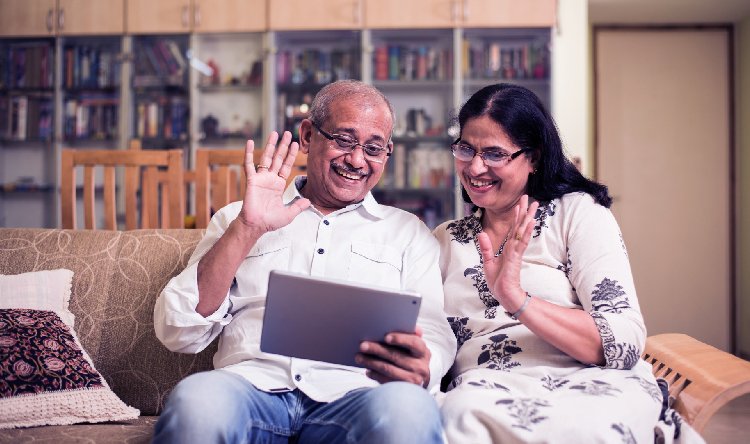
To maintain harmony, teaching technology to elders must be approached with patience, empathy, and a structured method. When a senior learns to navigate an interface, they are not just learning to use an app; they are regaining their autonomy and confidence. Digital literacy allows them to stay updated on family events, view photos of grandchildren in real-time, and participate in discussions that would otherwise pass them by. It is the most effective tool we have to combat the “digital loneliness” that often plagues the elderly today.
Overcoming the Fear of Elders and Mobile Technology
It is common for seniors to feel a sense of trepidation when handling expensive smartphones or navigating the internet. This fear of elders and mobile technology often stems from a worry about making mistakes or falling victim to online scams. By providing a safe and supportive learning environment, we can turn this anxiety into a sense of accomplishment and curiosity. Once the basic functions are mastered, most seniors find that the digital world offers an endless array of entertainment and information that enriches their daily lives.
Reducing the Burden of Elders Depending on Kids
In many Indian homes, we see a recurring pattern of elders depending on kids for every small digital requirement, from recharging a mobile plan to booking a cab. While children are often happy to help, this constant dependency can sometimes create a dynamic of frustration on both sides. Teaching seniors to handle these tasks independently fosters a sense of pride and reduces the logistical pressure on the younger generation. It transforms the senior from a passive recipient of help into an active, tech-enabled participant in the household.
New World Learnings: Expanding Horizons for Seniors
The internet is a gateway to new world learnings that can keep a senior’s mind sharp and engaged well into their later years. Whether it is learning a new language, watching documentaries, or joining online spiritual discourses, the possibilities for intellectual growth are infinite. This mental stimulation is a key component of active aging, ensuring that the brain remains challenged and healthy. Technology allows seniors to explore interests they might have sidelined during their busy working years.
How Technology Supports the Indian Family System
While critics often argue that screens pull people apart, for the modern Indian family system, technology is often the only thing holding it together across distances. In an era where nuclear families are spread across different cities or even continents, video calls are the new “Sunday dinner.” By ensuring that the eldest members of the family are comfortable with these tools, we ensure that the family’s oral history and values continue to flow down to the youngest members.
Elder Special: Empowering Seniors for a Digital Future
At ELDER SPECIAL Group, we believe that no senior should be left behind in the digital revolution. Our mission is to provide the support and resources necessary for seniors to thrive in a tech-driven world while maintaining their dignity and independence. We recognize that staying happy = healthy, and our programs are designed to promote emotional well-being through connection and skill-building. Our team is dedicated to creating a senior-friendly environment where learning is fun and accessible.
Our Unique Services and USPs
Elder Special offers specialized workshops focused on teaching technology to elders, covering everything from smartphone basics to advanced app usage. Our USPs include one-on-one coaching, senior-friendly manuals, and a dedicated support line for tech troubleshooting. We also integrate these digital skills into our elder meetups, allowing members to practice their new skills in a social setting. From healthcare accessibility to social engagement, we are the comprehensive partner for the modern Indian senior.
FAQs
What are some simple ways to introduce technology to a senior?
The best way to start is by identifying a specific “pain point” or a high-interest activity, such as seeing photos of grandchildren or listening to old music. Start with one single app that provides immediate gratification and spend time letting them explore it without any pressure. Use larger fonts, clear icons, and avoid using technical jargon that might cause confusion or frustration. Physical demonstrations followed by letting them perform the action themselves multiple times is the most effective way to build muscle memory. Always celebrate the small wins to build their confidence and keep the sessions short and frequent.
How can elders stay safe from online scams and fraud?
Safety starts with education on the most common tactics used by scammers, such as “urgent” phone calls about bank accounts or suspicious links in messages. Elders should be taught never to share an OTP or personal passwords with anyone, regardless of who they claim to be. Setting up two-factor authentication and using biometric locks like fingerprints can provide an extra layer of security that is easy for them to manage. It is also helpful to encourage them to verify any unusual request with a trusted family member before taking any action. Creating a culture of “verify before you trust” is the best defense against digital predators.
Why do some seniors resist learning new technology?
Resistance often stems from a fear of breaking the device or a feeling that they are “too old” to learn something so fundamentally different from what they grew up with. Some may also feel that technology is cold and impersonal, preferring traditional methods of communication that they find more meaningful. In many cases, it is a defense mechanism against the feeling of being overwhelmed by the sheer pace of change in the modern world. Addressing these emotional barriers with patience and showing them the tangible benefits of staying connected can often turn resistance into curiosity. Highlighting how technology can actually facilitate more personal connections is often a turning point.
Can using mobile technology help with senior mental health?
Yes, mobile technology can be a powerful tool for maintaining mental health by reducing the sense of isolation and providing cognitive stimulation. Access to brain-training games, educational videos, and social media platforms allows seniors to keep their minds active and engaged. It also provides an easy way to access mental health resources, such as meditation apps or online counseling sessions, if needed. The ability to reach out to friends and family instantly provides an emotional safety net that is crucial for long-term well-being. Ultimately, feeling capable and connected contributes significantly to a senior’s overall sense of life satisfaction.
Is there a recommended amount of screen time for elders?
While there is no strict rule, it is important for seniors to balance digital activity with physical movement and real-world social interaction. Experts generally suggest that screen time should be purposeful—such as for learning or communicating—rather than passive scrolling for hours on end. Taking frequent breaks to rest the eyes and stretch the body is essential to prevent physical strain or “tech neck.” It is also advisable to avoid screens for at least an hour before bedtime to ensure that the blue light does not interfere with sleep patterns. A balanced approach ensures that technology remains a helpful tool rather than an unhealthy habit.