
Synopsis
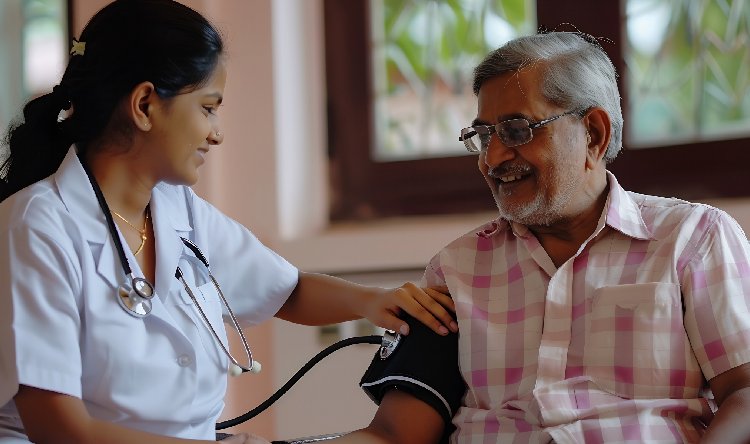
In the current medical landscape of 2026, a silent health crisis persists across urban India: the prevalence of elders unknown of their chronic conditions. While many seniors focus on visible ailments, internal issues like hypertension, early-stage diabetes, or cognitive decline often go undiagnosed because they are dismissed as mere signs of “old age.” Within the traditional Indian family system, there is often a cultural tendency to avoid doctors unless a crisis occurs, which can be dangerous for those living in nuclear families where daily monitoring is less frequent. By teaching technology to elders, we can empower them to use wearable health trackers and digital logs that bring these “unknowns” to light before they become emergencies. Furthermore, participating in an elderly meetup serves as an informal health screening ground, where peers can often spot changes in mobility or memory that the individual might have missed. The core mission of our awareness drive is to ensure that staying happy = healthy, as proactive medical knowledge removes the anxiety of the unknown. This blog explores how to bridge the diagnostic gap and ensure our seniors live with the clarity and safety they deserve.
Table of Contents
- The Danger of the Undiagnosed: Silent Killers in Seniors
- Why Many Elders are Unknown of Their Chronic Conditions
- The Role of the Indian Family System in Health Awareness
- Teaching Technology to Elders for Real-Time Health Tracking
- How an Elderly Meetup Can Act as a Health Sentinel
- Why Staying Happy Equals Better Medical Outcomes
- Elder Special: Closing the Awareness Gap
- Our Unique Services and USPs
The Danger of the Undiagnosed: Silent Killers in Seniors
Many geriatric conditions earn the name “silent killers” because they do not present with dramatic symptoms until significant damage has been done. For a senior living in India today, ignoring a slight persistent headache or a minor tremor can lead to long-term complications. The goal of modern healthcare is to move toward early detection, where “the unknown” is brought into the light through regular screenings. Awareness is the first line of defense in ensuring that a senior’s golden years are spent in vitality rather than in the hospital.
Why Many Elders are Unknown of Their Chronic Conditions
It is common to find elders unknown of their chronic conditions because of a lack of age-specific screening and a general stoicism regarding pain. Many seniors feel that complaining about small discomforts makes them a burden to their children, especially in high-pressure nuclear families. Additionally, without a routine health check-up schedule, conditions like high cholesterol or early-stage kidney issues can stay hidden for years. Breaking the “culture of silence” around health is essential for the modern aging population to thrive.
The Role of the Indian Family System in Health Awareness
The Indian family system is the primary source of care, but it must evolve into a source of medical advocacy. Children and caregivers should encourage their parents to view health check-ups as a routine part of a positive lifestyle rather than a cause for alarm. Normalizing conversations about heart health, blood sugar, and mental wellness within the home reduces the fear associated with diagnosis. When a family is informed and proactive, the elder feels supported and more willing to participate in their own wellness journey.
Teaching Technology to Elders for Real-Time Health Tracking
Digital transformation has provided us with incredible tools for health monitoring, making teaching technology to elders a life-saving initiative. When we introduce elders and mobile technology in the form of heart-rate monitors, step counters, and glucose tracking apps, we give them the power of data. A senior who can see their own health metrics is more likely to stay motivated to exercise and eat well. Technology acts as a 24/7 health companion, providing peace of mind for both the senior and their distant family members.
How an Elderly Meetup Can Act as a Health Sentinel
An elderly meetup is more than just a social event; it is a community of “watchful eyes.” When seniors gather regularly, they often notice changes in their peers—such as a new limp, weight loss, or increased forgetfulness—that family members might miss due to daily familiarity. Facilitators at these meetups can also organize “Health Talks” and basic screening camps, making medical awareness a social and non-threatening activity. This peer-based monitoring is a powerful supplement to professional medical care in 2026.
Why Staying Happy Equals Better Medical Outcomes
Science confirms that staying happy = healthy because a positive emotional state reduces the chronic stress that exacerbates many physical conditions. When a senior is socially engaged and optimistic, their body produces lower levels of cortisol, leading to better regulation of blood pressure and sugar levels. Happiness encourages a proactive mindset, making a senior more likely to follow their doctor’s advice and stay active. By prioritizing social joy, we are creating the biological conditions necessary for better physical health and faster recovery.
Elder Special: Closing the Awareness Gap
The ELDER SPECIAL Group is dedicated to ensuring that no senior in India suffers due to a lack of health awareness. We provide a holistic ecosystem where health screening is integrated into social life, making it easy and accessible for everyone. Our brand stands for the dignity of the senior, ensuring they have the information and support needed to manage their health with confidence. We believe that an informed senior is an empowered senior, and our community is built to provide that empowerment every day.
Our Unique Services and USPs
Elder Special offers specialized “Health Awareness” sessions within our elderly meetup framework, alongside workshops for teaching technology to elders specifically for health tracking. Our USPs include our integrated social healthcare event calendar and our partnership with geriatric specialists for member-only consultations. We provide accessibility support for all medical camps and help elderly making friends who can support each other’s wellness goals. By joining us, you are choosing a community that values your health as much as your happiness.
FAQs
What are the most common "hidden" chronic conditions in Indian seniors?
The most common hidden conditions in Indian seniors include hypertension (high blood pressure) and Type 2 diabetes, which often present with very subtle symptoms like mild fatigue or thirst. Osteoporosis is another “silent” condition where bone density decreases without pain until a fracture occurs. Additionally, many seniors suffer from undiagnosed chronic kidney disease or early-stage glaucoma, which affects vision gradually. Cognitive issues, such as early-stage dementia, are also frequently missed as they are mistaken for normal aging. Regular comprehensive screenings are the only sure way to identify these issues before they progress significantly.
How can I encourage my parent to get a check-up without scaring them?
The best approach is to frame the check-up as a “wellness update” or a “preventive maintenance” session rather than a search for a problem. You could say, “Let’s get a routine check-up so we can make sure you have the energy for our next family trip.” Offering to go for your own check-up at the same time can also normalize the experience and make it a shared family activity. Highlighting the benefits of feeling more energetic and staying independent is often more effective than focusing on potential diseases. Positive reinforcement and a calm, matter-of-fact tone can go a long way in reducing their anxiety.
Why do seniors sometimes hide their health symptoms from their children?
Seniors often hide symptoms because they fear losing their independence or being moved into a care facility. In the Indian family system, there is also a deep-seated desire not to “bother” or “burden” children who are already busy with their own careers and families. Some may also be in a state of denial, hoping that if they ignore the symptom, it will simply go away on its own. Others may fear the financial implications of a serious diagnosis. Creating a safe, non-judgmental environment where they know that speaking up will lead to support rather than a loss of autonomy is crucial.
Can mobile apps really help in managing chronic conditions at home?
Yes, mobile apps in 2026 are incredibly sophisticated and can act as a daily health assistant for seniors. They can provide medication reminders, track physical activity, and log blood sugar or pressure readings to share with doctors via tele-consultation. Many apps also offer nutritional guidance tailored to specific conditions like heart disease or gout. By teaching technology to elders, we give them the tools to see patterns in their health, such as how certain foods affect their energy. This data-driven approach takes the guesswork out of home care and leads to much more accurate medical interventions.
How does social interaction help in managing physical illnesses?
Social interaction at an elderly meetup helps by reducing the psychological stress that often accompanies physical illness. When a senior talks to others who have the same condition, they learn practical “life hacks” for managing it, which reduces their anxiety. The act of socializing releases endorphins that can act as natural painkillers and mood elevators. Furthermore, a socially active senior is more likely to stay physically mobile, which is essential for managing conditions like arthritis or diabetes. The emotional support of friends provides the resilience needed to stick to difficult diet or exercise regimens.