
Synopsis
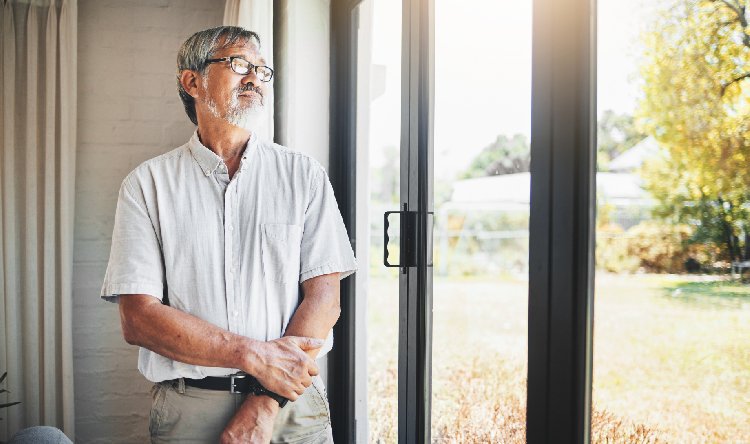
The architectural evolution of Indian homes has brought unmatched comfort, but it has also introduced a subtle form of social isolation. As we ask ourselves, have airconditioners shut families away from the communal spirit of the neighborhood, we see a growing trend of “indoor-only” living that disproportionately affects seniors. In the past, the Indian family system thrived on verandas and open balconies where spontaneous chats with neighbors were the norm. Today, the desire for climate control often leads to closed doors and windows, making the process of elderly making friends much more difficult in urban high-rises. To combat this physical barrier, teaching technology to elders has become the new “digital balcony,” allowing them to peek outside their glass boxes and connect with the world. Platforms that organize elder meetups are essential to draw seniors out of their cooled isolation and back into the warmth of human interaction. This is critical because staying happy = healthy, and no amount of artificial cooling can replace the vitality found in fresh air and community bonds. This blog explores how we can break the “chilled silence” of modern homes to bring social sunshine back into the lives of our elders.
Table of Contents
- The Comfort Trap: How Modern Cooling Changes Socializing
- Have Airconditioners Shut Families from Local Communities?
- The Challenge of Elderly Making Friends in Closed Environments
- Using Digital Tools to Break Through the Glass Box
- Why Elder Meetups are the Antidote to Indoor Isolation
- Returning to the Roots of the Indian Family System
- Elder Special: Creating Bridges Beyond the Living Room
- Conclusion: Balancing Modern Comfort with Social Connection
The Comfort Trap: How Modern Cooling Changes Socializing
In the peak of the Indian summer, the airconditioner is a necessity, yet it has fundamentally changed the “rhythm of the street.” When we retreat into climate-controlled interiors, we lose the casual “over-the-fence” conversations that once defined Indian neighborhoods. For seniors, these small, unplanned interactions were a primary source of daily engagement and news. The comfort of a cool room often comes at the hidden cost of a shrinking social circle, leading to a quieter, more solitary existence.
Have Airconditioners Shut Families from Local Communities?
We must consider if we have airconditioners shut families from the very neighbors who used to be their support system. In older housing styles, the sounds of the neighborhood—vendors, playing children, and chatting friends—filtered through open windows, keeping the elderly connected to the pulse of life. Today’s soundproof, sealed apartments provide silence, but that silence can quickly turn into a feeling of being disconnected. This physical sealing of the home makes it harder for the elderly to keep a pulse on the world around them.
The Challenge of Elderly Making Friends in Closed Environments
In an environment where every door is shut to keep the cool air in, elderly making friends requires much more intentional effort than it used to. It is no longer enough to sit on a porch and wait for someone to pass by. Seniors today must actively seek out community centers or social groups to meet their peers. This lack of “accidental socialization” means that many seniors spend hours in front of the television, which provides entertainment but lacks the emotional nourishment of a real conversation.
Using Digital Tools to Break Through the Glass Box
If the physical window is closed, the digital window must be opened wide. Teaching technology to elders allows them to stay connected with the neighborhood through community apps and social media groups. By mastering elders and mobile technology, a senior can find out about a nearby park meet or a building tea party without having to leave their comfortable environment first. Technology acts as the bridge that reconnects the “indoor senior” with the “outdoor world,” ensuring they are never truly alone.
Why Elder Meetups are the Antidote to Indoor Isolation
To break the cycle of isolation, attending organized elder meetups is the most effective step a senior can take. These events provide a destination that is worth leaving the comfort of the AC for, offering stimulation that a closed room simply cannot provide. Interacting with others in person releases “happiness hormones” that boost the immune system and improve mental clarity. These meetups prove that while we may live in nuclear families with closed doors, our social lives can still be vast and open.
Returning to the Roots of the Indian Family System
The core of the Indian family system has always been about “Sangat” or company. Even as we embrace modern luxuries, we must preserve the tradition of community belonging. Families should encourage their elders to spend time in “semi-open” spaces like parks or community halls where the air is natural and the interactions are spontaneous. Reclaiming these spaces is vital for maintaining the emotional health of the oldest members of our households, ensuring they remain part of the local social fabric.
Elder Special: Creating Bridges Beyond the Living Room
The ELDER SPECIAL Group is on a mission to bring seniors out of their “glass boxes” and back into the heart of the community. We recognize the challenges of modern urban living and provide the “social infrastructure” that seniors need to thrive. Our programs are designed to be the catalyst that gets seniors moving, talking, and laughing again. We believe that staying happy = healthy, and we are committed to providing the social warmth that no airconditioner can ever provide.
Our Unique Services and USPs
Elder Special offers a curated social healthcare event calendar that gives seniors a reason to step out and engage with the world. Our USPs include our expertise in teaching technology to elders so they can stay connected digitally, and our specialized elder meetups held in accessible, senior-friendly locations. We focus on “Total Wellness,” which balances physical health with the deep-seated need for human connection. By joining our group, seniors can enjoy the best of both worlds: modern comfort and traditional community.
FAQs
Why is outdoor socialization better than watching TV for seniors?
Watching television is a passive activity that provides temporary entertainment but does not engage the brain’s social or emotional centers. Outdoor socialization, on the other hand, requires active listening, responding, and physical movement, all of which are vital for maintaining cognitive health. Being outdoors also exposes seniors to natural light, which helps regulate sleep patterns and boosts Vitamin D levels. Real human interaction provides a sense of empathy and validation that a screen simply cannot replicate. Engaging with others helps reduce the risk of cognitive decline and keeps the spirit youthful.
How can apartment complexes be more senior-friendly in India?
Apartment complexes can become more inclusive by creating dedicated “senior corners” in parks that are shaded and have comfortable, ergonomic seating. Organizing weekly “open-door” coffee mornings in the community hall can encourage residents to step out and meet their neighbors in a climate-controlled yet social setting. Installing clear signage and ensuring all paths are wheelchair-accessible helps seniors navigate the premises with confidence. Having a dedicated volunteer committee to check in on elderly residents who live alone can also make a huge difference in their safety and happiness. Simple additions like better lighting and handrails in common areas go a long way.
What are the signs that a senior is becoming too isolated?
Common signs of isolation include a noticeable decline in personal grooming, changes in eating or sleeping habits, and a loss of interest in hobbies they once enjoyed. If a senior becomes unusually irritable or expresses a lack of purpose, it may be due to a lack of meaningful human connection. They might also stop answering the phone or seem disconnected from family news and events. Persistent low energy or a “foggy” memory can also be symptoms of the depression that often accompanies long-term solitude. Recognizing these signs early allows families to intervene and encourage more social activity.
Can technology really replace the feeling of a real-life neighborhood?
While technology cannot fully replace the physical warmth of a handshake or a shared meal, it serves as a powerful supplement in a modern, closed-off environment. It allows for “bridge-building,” where a digital conversation can lead to a physical meeting at a local park or cafe. Video calls help seniors see the expressions and surroundings of their loved ones, providing a deeper sense of presence than a standard voice call. Technology also provides access to communities of interest that might not exist in their immediate physical neighborhood. It should be viewed as a tool to facilitate real-world connection rather than a total replacement for it.
How does natural air and light affect an elder's health?
Exposure to natural sunlight is essential for the production of serotonin, the hormone that stabilizes mood and promotes feelings of well-being and happiness. Fresh air often has higher oxygen levels than recycled indoor air, which can improve energy levels and respiratory health over time. Being in nature or even a green park has been shown to lower blood pressure and reduce the levels of the stress hormone cortisol. For seniors, a simple walk in the sun can help maintain bone density and improve the quality of their nighttime sleep. Balancing the use of airconditioning with time spent in natural environments is a key part of holistic senior wellness.