
Synopsis
The world in 2026 is moving at a pace that can feel dizzying, yet the question remains: do elders get exposed to new world learnings that allow them to remain active participants in society? In the traditional Indian family system, the elderly were the sole source of wisdom, but the digital age has flipped the script, making information accessible to all regardless of age. For those living in nuclear families, staying updated is no longer just a hobby; it is a necessity for maintaining relevance and independence. By teaching technology to elders, we open a portal to global news, scientific breakthroughs, and modern social movements that were previously out of reach. Mastery over elders and mobile technology ensures that the “silver generation” is not left behind in the offline world. This exposure is vital because staying happy = healthy, and a mind that continues to learn is a mind that stays resilient against the passage of time. This blog explores how the digital revolution is providing Indian seniors with a second education, one that enriches their souls and keeps their cognitive fires burning.
Table of Contents
- The Information Age and the Modern Senior
- Do Elders Get Exposed to New World Learnings Today?
- The Role of Teaching Technology to Elders in Education
- Navigating Nuclear Families with Modern Knowledge
- Why Elders and Mobile Technology are the New Textbooks
- Staying Happy Equals a Curious and Active Mind
- Elder Special: Guiding the Path to New Knowledge
- Our Unique Services and USPs
The Information Age and the Modern Senior
The stereotype of the senior citizen sitting idle is being dismantled by the power of the internet. Today, the “Information Age” offers a wealth of knowledge that can be accessed from the comfort of a living room. However, without the right guidance, this vast sea of data can be overwhelming. We must ask ourselves if our seniors are being given the tools to navigate this landscape effectively. When a senior learns to use the internet, they aren’t just looking at screen pixels; they are looking at a window into the evolution of human thought.
Do Elders Get Exposed to New World Learnings Today?
When we investigate the query, do elders get exposed to new world learnings, we find that technology is the ultimate democratizer of education. From understanding climate change to learning about new healthcare breakthroughs, seniors are now able to form their own opinions on global issues. This exposure prevents the “intellectual stagnation” that sometimes accompanies retirement. By engaging with modern topics, seniors can participate in meaningful debates with their children and grandchildren, proving that wisdom and modern knowledge are a powerful combination.
The Role of Teaching Technology to Elders in Education
The foundation of this intellectual resurgence is teaching technology to elders in a way that prioritizes curiosity over jargon. Education in 2026 isn’t just for the young; it’s a lifelong process that technology facilitates through YouTube, podcasts, and online courses. When we show a senior how to search for a topic of interest, we are reigniting their passion for discovery. This empowerment changes their self-perception from being “outdated” to being “up-to-date,” which is a massive boost for their mental confidence.
Navigating Nuclear Families with Modern Knowledge
In the context of nuclear families, where seniors may spend long hours alone while the younger generation is at work, digital learning provides a productive outlet. Instead of passive television viewing, seniors are now using their time to explore new world learnings that keep them mentally sharp. This intellectual independence reduces the social pressure on the family, as the senior has their own “world” of interests to discuss during dinner. It fosters a relationship of mutual respect where the elder is seen as a continuous learner.
Why Elders and Mobile Technology are the New Textbooks
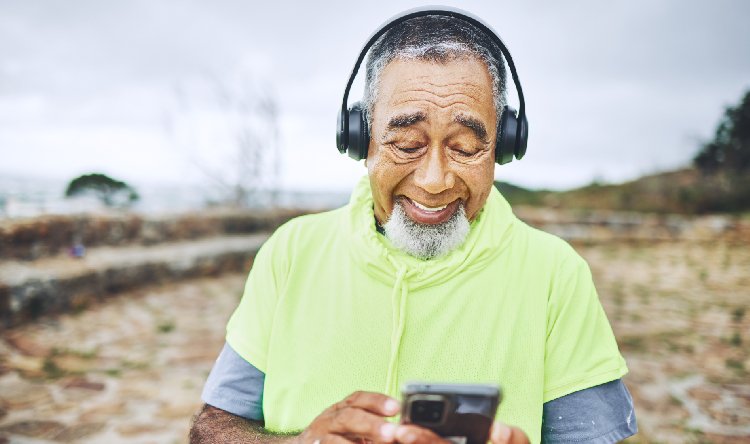
The smartphone has evolved into the most portable and versatile textbook in history, making elders and mobile technology a perfect match for lifelong learning. Whether it is a meditation app, a language learning tool, or a digital library, the phone provides instant access to expertise. For Indian seniors, this means they can explore everything from Vedic philosophy to modern stock market trends at their own pace. The ease of access ensures that learning is never a chore, but a daily ritual of empowerment and joy.
Staying Happy Equals a Curious and Active Mind
It is a documented scientific fact that staying happy = healthy, and there is no greater joy than the “Aha!” moment of learning something new. Continuous learning stimulates the production of new neurons and strengthens the connections between them, which is a natural defense against cognitive decline. A curious senior is an engaged senior, and an engaged senior is far less likely to suffer from the depression associated with late-life isolation. By feeding the mind, we are inherently protecting the body and ensuring a high quality of life.
Elder Special: Guiding the Path to New Knowledge
The ELDER SPECIAL Group is committed to ensuring that every Indian senior has the opportunity to explore the wonders of the modern world. We don’t just provide social events; we provide “Intellectual Wellness” through workshops and guided digital tours. Our brand is a beacon for those who believe that age is just a number and that the quest for knowledge should never end. We are here to ensure that your golden years are filled with the excitement of discovery and the satisfaction of staying relevant.
Our Unique Services and USPs
Elder Special offers a specialized social healthcare event calendar that includes “Tech-Talk” sessions and “New World Learning” webinars. Our USPs include our patient approach to teaching technology to elders and our curated content that appeals to the sophisticated Indian senior. We bridge the gap between elders and mobile technology by providing simplified guides and 24/7 tech support. By joining us, you are not just joining a club; you are enrolling in a community that values your intellect and supports your growth.
FAQs
What are "New World Learnings" and why do they matter?
New world learnings refer to the contemporary knowledge, social shifts, and technological advancements that define the 2020s, such as digital finance, sustainable living, and modern healthcare. For seniors, staying informed about these topics is crucial for maintaining their independence and ensuring they aren’t taken advantage of in a digital-first economy. It matters because it allows them to relate to the younger generation and participate in the current global conversation. Understanding the modern world helps reduce the “generational friction” that often occurs when perspectives remain stuck in the past. It is about staying a functional and respected member of the modern community.
Is it possible for someone in their 80s to learn new digital skills?
Yes, it is entirely possible and increasingly common for people in their 80s and beyond to master new digital skills with the right support. The human brain remains “plastic,” meaning it can form new neural pathways at any age, provided the learning is consistent and stress-free. The key is to use senior-friendly interfaces, such as tablets with larger icons or voice-activated assistants like Alexa or Siri. Success at this age is often about “relevance”—if a senior sees how a tool can help them see their great-grandchild or listen to their favorite music, they are highly motivated to learn. Patience and encouragement from family or professional trainers are the most important factors.
How does learning something new affect the aging brain?
Learning a new skill, whether it’s a language, a digital tool, or a hobby, acts as a “workout” for the brain that increases cognitive reserve. This process involves the prefrontal cortex and the hippocampus, areas responsible for memory and executive function. By challenging the brain, seniors can improve their mental agility, focus, and ability to process information. Scientific studies show that this “neurogenesis” can help delay the symptoms of dementia and Alzheimer’s by keeping the brain’s “wiring” strong. Essentially, a learning brain is a resilient brain that is better equipped to handle the physical changes of aging.
Can online learning replace the need for physical meetups?
While online learning is an incredible tool for gaining information, it should complement rather than replace physical social interaction. Human beings are inherently social, and the emotional nuances of a face-to-face conversation are vital for mental health. Physical meetups provide sensory experiences and spontaneous interactions that a screen cannot replicate. However, online learning can provide the “content” for these physical meetings—seniors can learn about a topic online and then meet with their peers to discuss it in person. A balanced approach that uses technology for information and meetups for connection is the ideal model for senior wellness.
What are the best resources for seniors to start their digital education?
The best resources are those that offer high-quality content in a simplified, easy-to-navigate format. YouTube is a fantastic starting point, as it offers visual tutorials on almost every topic imaginable, from “how to use WhatsApp” to “understanding the stock market.” Educational platforms like Coursera or Khan Academy have also started offering courses specifically designed for older learners. Local community centers and organizations like Elder Special provide hands-on workshops that are tailored to the Indian cultural context. Starting with a “digital buddy” or a mentor who can guide the senior through the first few steps is often the most successful strategy.