
Synopsis
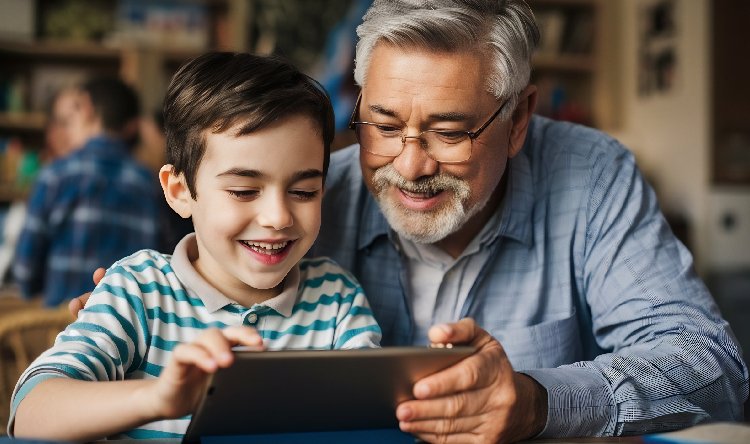
The Indian family system has always been rooted in the hierarchy of wisdom, where elders teach and the youth listen. However, in 2026, the bridge between generations is being built from both sides. For many seniors living in nuclear families, the language of their grandchildren—the digital-native Gen Z—can sometimes feel like a foreign tongue. Terms like “slay,” “no cap,” or “vibing” are the new currency of conversation. While it may seem trivial, learning this modern lexicon is a powerful way for elderly making friends with their own grandkids. In our community chapters, which meet on fixed Tuesdays, Wednesdays, or Thursdays, we often have lighthearted “Slang of the Week” sessions. This blog explores how “Grandparents’ School” is helping seniors stay “cool” and connected, ensuring that the gap between the rocking chair and the gaming console is smaller than ever.
Table of Contents
- Why Speaking "Gen Z" is a Modern Superpower
- Bridging the Gap in Urban Nuclear Families
- Decoding the Dictionary: Common Slang for Seniors
- Teaching Technology to Elders for Better Social Context
- Building New Bonds Through Shared Digital Humor
- The Mental Benefits of Staying "Current"
- Elder Special: Making Intergenerational Connection Fun
Why Speaking "Gen Z" is a Modern Superpower
Communication is the heartbeat of any relationship. When a grandparent uses a Gen Z term correctly, it does more than just provoke a giggle; it signals to the grandchild that their world is respected and understood. In the Indian family system, this “reverse learning” creates a unique bond of equality. It breaks the stereotype of the “strict elder” and replaces it with the “curious companion.” This effort to understand “New World Learnings” is a major step in preventing social isolation, as it keeps the senior at the center of family group chats and dinner table banter.
Bridging the Gap in Urban Nuclear Families
In nuclear families, where grandchildren often have busy school and social lives, a grandparent who can “vibe” with them is a favorite confidant. Instead of the usual questions about grades or food, imagine a grandfather asking his grandson if his new shoes are “fire.” This shift in language opens doors to deeper conversations. By showing an interest in the modern world, seniors prove that they are active participants in 2026, not just observers of the past. It turns the weekly family visit into an engaging exchange of ideas.
Decoding the Dictionary: Common Slang for Seniors
During our Tuesday or Thursday chapter meets, we often demystify these terms. For example, “No Cap” simply means “no lie” or “I’m serious.” “Bet” is a way of saying “Yes” or “Agreed.” And “Glow Up” refers to a positive transformation. Understanding these isn’t about the senior trying to be a teenager; it’s about building new bonds by understanding the nuances of modern expression. It’s a fun, cognitive exercise that keeps the mind sharp and the social interactions lively and relevant.
Teaching Technology to Elders for Better Social Context
Slang and technology go hand-in-hand. Most modern terms originate on platforms like Instagram or YouTube. By teaching technology to elders, we give them the context they need to understand why certain words are trending. Mastery of elders and mobile technology allows them to see the memes their grandkids are sharing, making the slang feel more natural. When a senior can navigate a social media feed, they don’t just learn the words; they learn the culture, making their intergenerational meets much more organic.
Building New Bonds Through Shared Digital Humor
Humor is a universal language, and “Gen Z humor” is often visual and fast. When a senior participates in a “selfie” or understands a trending joke, they are creating rare opportunities for connection. These moments of shared laughter are the strongest glue for a family. In our mid-week chapters, members often share funny stories of their attempts to use slang at home. This peer support makes the learning process a joyful adventure rather than a daunting chore, turning every Wednesday into a “prep session” for the next family weekend.
The Mental Benefits of Staying "Current"
Lifelong learning is a key pillar of cognitive health. Learning a new “language”—even if it’s just modern slang—challenges the brain to form new neural pathways. It keeps seniors feeling youthful and reduces the “generational anxiety” that can come with rapid societal changes. By staying current, seniors maintain their “social edge,” ensuring they remain influential and respected voices within the Indian family system. A mind that is open to the “new” is a mind that stays resilient and vibrant.
Elder Special: Making Intergenerational Connection Fun
The ELDER SPECIAL Group believes that aging should be a journey of continuous expansion. We facilitate workshops that blend digital literacy for seniors with cultural trends. Our brand stands for the “New-Age Indian Senior”—one who is rooted in tradition but tech-savvy enough to text their grandson a “cool” emoji. We provide the community where you can practice your “Gen Z” talk on Tuesdays or Wednesdays so you can “slay” your weekend family gathering with confidence and grace.
FAQs
Isn't it "undignified" for a senior to use teenage slang?
Not at all! Dignity comes from confidence and the ability to connect with others. Using slang isn’t about “acting young”; it’s about showing your grandchildren that you are interested in their world. It’s a form of empathy. When used with a wink and a smile, it shows a great sense of humor and a youthful spirit. It actually increases respect because it shows you are adaptable and willing to learn.
How can I keep up with how fast slang changes?
You don’t need to know every single word. Focus on the few that your own grandkids use most often. You can even make it a game—ask them to “teach” you one new word every time they visit. This puts them in the role of the teacher, which they usually love. Our fixed-day chapters on Tuesdays, Wednesdays, or Thursdays are also great places to “check notes” with other seniors on what’s currently trending in their homes.
Does learning slang really help in "building new bonds"?
Yes, because language is the primary barrier between generations. When you speak their language, grandchildren are more likely to open up to you about their lives, their friends, and their challenges. It moves the relationship from a formal one to a “friendship” based one. In nuclear families, where time is limited, this “shortcut” to connection is invaluable for creating lasting memories and mutual trust.
Can technology help me learn this modern language?
Absolutely. By teaching technology to elders, we show them how to use “Urban Dictionary” or follow “wholesome” youth influencers who explain trends. Apps like YouTube have millions of short videos explaining modern culture. Being tech-savvy allows you to “eavesdrop” on the modern world in a positive way, ensuring you are never blindsided by a new term. Your smartphone is your best tutor for staying “current.”
What if I use the slang incorrectly?
That’s often the best part! Using a word slightly wrong usually leads to a fit of laughter from the grandkids, which is a great bonding moment in itself. Don’t take it too seriously. The goal is the attempt at connection, not linguistic perfection. Your grandkids will appreciate the effort and the “cool” factor of having a grandparent who even knows what those words mean. Laughter is the best bridge for any generation gap.