
Synopsis
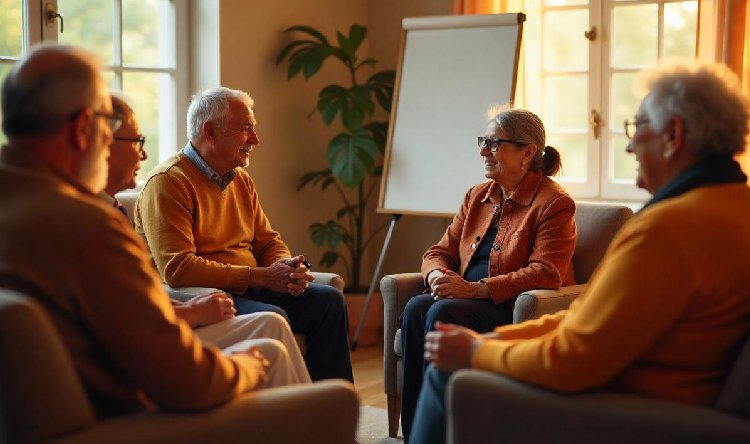
Group therapy activities for older adults create a safe and supportive environment for seniors to share their experiences, explore emotions, and build resilience. These sessions help participants overcome emotional challenges, form meaningful connections, and develop a sense of belonging. From guided discussions to mindfulness exercises, group therapy empowers seniors to navigate life’s difficulties with strength and optimism. Learn how these activities improve the mental health of older adults and foster a supportive community that enhances their overall well-being.
Table of Contents
- Introduction- The Importance of Group Therapy for Seniors
- Key Benefits of Group Therapy for Older Adults
- Addressing Emotional Challenges with Compassion
- Building Social Connections and Empathy
- Popular Activities in Group Therapy Sessions
- Mindfulness Practices and Relaxation Techniques
- Sharing Stories and Experiences
- How Group Therapy Enhances Seniors’ Lives
- Developing Emotional Resilience and Confidence
- Creating Supportive and Inclusive Communities
- Elder Special’s Approach to Group Therapy
- Culturally Aligned Programs for Indian Seniors
- Creating Safe and Nurturing Spaces
- Conclusion- Embracing Growth Through Group Therapy
Introduction- The Importance of Group Therapy for Seniors
Group therapy activities offer a transformative platform for older adults to address emotional challenges, build connections, and rediscover their inner strength. These sessions provide a safe space where seniors can share their feelings, learn coping strategies, and foster empathy.
In today’s world, where seniors often face isolation and emotional stress, group therapy becomes a beacon of hope. By participating in these activities, older adults find support, encouragement, and the tools to lead more fulfilling lives.
Key Benefits of Group Therapy for Older Adults
Addressing Emotional Challenges with Compassion
Many seniors encounter feelings of loneliness, anxiety, or grief as they age. Group therapy creates a compassionate environment where they can express these emotions without fear of judgment.
Through guided discussions and therapeutic exercises, participants learn to process their feelings and develop emotional resilience. This shared journey helps seniors feel understood and supported, paving the way for healing and growth.
Building Social Connections and Empathy
Group therapy fosters meaningful interactions among participants, encouraging them to share their stories and listen to others. These exchanges build empathy, mutual respect, and a sense of camaraderie.
As seniors form connections, they experience a renewed sense of belonging and purpose. The friendships developed during therapy often provide ongoing support and encouragement.
Popular Activities in Group Therapy Sessions
Mindfulness Practices and Relaxation Techniques
Mindfulness exercises like deep breathing, guided imagery, and meditation are integral to group therapy sessions. These practices help seniors manage stress, improve focus, and promote emotional balance.
Facilitators guide participants through relaxation techniques that are easy to incorporate into daily life. These activities enhance mental clarity and create a calming atmosphere that benefits everyone involved.
Sharing Stories and Experiences
Storytelling is a powerful therapeutic tool that allows seniors to reflect on their lives and share meaningful moments with the group. These sessions foster self-expression and provide a sense of accomplishment.
Listening to others’ stories promotes empathy and understanding, strengthening the bonds within the group. This exchange of experiences enriches the therapy process and helps participants feel connected.
How Group Therapy Enhances Seniors’ Lives
Developing Emotional Resilience and Confidence
Group therapy equips seniors with the skills and strategies to navigate life’s challenges confidently. They develop greater emotional resilience and self-assurance by participating in guided discussions and exercises.
As seniors gain confidence, they feel more empowered to embrace new opportunities and overcome obstacles. This positive transformation extends to all aspects of their lives, enriching their golden years.
Creating Supportive and Inclusive Communities
One of the most valuable aspects of group therapy is the sense of community it fosters. Participants come together in a supportive environment to share, learn, and grow collectively.
These communities provide emotional and practical support that extends beyond therapy sessions. For many seniors, the friendships and connections formed in group therapy become vital to their daily lives.
Elder Special’s Approach to Group Therapy
Culturally Aligned Programs for Indian Seniors
Elder Special understands the cultural and emotional needs of Indian seniors and designs group therapy sessions accordingly. Spiritual discussions, mindfulness practices, and heritage storytelling resonate deeply with participants.
By tailoring programs to reflect Indian traditions and values, Elder Special ensures seniors feel connected, understood, and inspired.
Creating Safe and Nurturing Spaces
Inclusivity and compassion are at the heart of Elder Special’s group therapy approach. Facilitators create an environment where participants feel valued, supported, and free to express themselves.
This nurturing atmosphere encourages seniors to engage fully and gain the maximum benefit from each session. Elder Special’s commitment to creating safe spaces makes group therapy a transformative experience for all participants.
Conclusion- Embracing Growth Through Group Therapy
Group therapy activities for older adults are more than therapeutic—they are a gateway to connection, resilience, and personal growth. These sessions empower seniors to overcome challenges, build relationships, and embrace life optimistically. Elder Special’s approach ensures that every participant experiences a sense of belonging, purpose, and joy. We can create communities that celebrate and support seniors, one group therapy session at a time.
FAQs
What are group therapy activities for older adults, and why are they important?
Group therapy activities for older adults are structured sessions that provide a supportive environment for seniors to share experiences, express emotions, and build connections. These activities include guided discussions, mindfulness exercises, and storytelling sessions tailored to the needs of older adults. They are important because they help seniors address emotional challenges, improve mental health, and develop a sense of belonging. By participating in group therapy, seniors gain emotional resilience and a renewed sense of purpose.
How do group therapy activities benefit the mental health of older adults?
Group therapy offers older adults a platform to process their emotions in a safe and supportive environment. By engaging in therapeutic exercises like mindfulness and storytelling, seniors reduce stress, anxiety, and feelings of isolation. Sharing experiences with peers fosters empathy and understanding, contributing to emotional well-being. These sessions also improve cognitive function and self-esteem, empowering seniors to navigate life’s challenges confidently.
What types of activities are included in group therapy for seniors?
Senior group therapy includes mindfulness practices, guided relaxation, and storytelling sessions. Other popular activities involve art therapy, group discussions, and collaborative projects that promote creativity and emotional expression. Facilitators often incorporate exercises that focus on building resilience and fostering connections. These diverse activities are designed to mentally, emotionally, and socially engage seniors.
How does group therapy help seniors build social connections?
Group therapy provides a space where seniors can interact with peers and share their life experiences. Through collaborative activities and open discussions, participants develop trust and camaraderie. These interactions create meaningful friendships and emotional support networks, reducing feelings of loneliness. For many seniors, the relationships formed during group therapy extend beyond the sessions, enriching their daily lives.
Are group therapy sessions inclusive for seniors with different abilities?
Yes, group therapy sessions are designed to be inclusive and accessible for seniors with varying abilities. Activities are adapted to accommodate physical and cognitive challenges, ensuring every participant can comfortably engage. Facilitators assist as needed, and venues are chosen for their accessibility features. This inclusivity ensures that all seniors can benefit from the emotional and social support group therapy offers.
How do mindfulness exercises in group therapy benefit older adults?
Mindfulness exercises, such as deep breathing, meditation, and guided imagery, help seniors manage stress and improve focus. These practices promote emotional balance and reduce anxiety, enhancing overall mental health. Facilitators guide seniors through these exercises, ensuring they feel relaxed and empowered. Mindfulness practices are easy to integrate into daily routines, making them a valuable tool for emotional well-being.
Can introverted seniors benefit from group therapy?
Absolutely. Group therapy is structured to accommodate all personality types, including introverted seniors. Activities are designed to encourage participation at a comfortable pace, allowing introverts to engage without feeling pressured. Over time, the supportive environment helps introverted seniors build confidence and form meaningful connections. Many find group therapy a transformative experience that enhances their social and emotional well-being.
How do storytelling sessions in group therapy foster connection?
Storytelling sessions allow seniors to reflect on their lives and share meaningful experiences with the group. These sessions foster self-expression and create opportunities for participants to relate to one another. Listening to others’ stories promotes empathy and understanding, strengthening the bonds within the group. Storytelling is therapeutic, helping seniors process their emotions and gain a sense of accomplishment.
Can group therapy activities help seniors develop emotional resilience?
Yes, group therapy activities are designed to help seniors build emotional resilience. Participants learn coping strategies and gain confidence by addressing emotional challenges in a supportive environment. Activities like guided discussions, mindfulness exercises, and collaborative projects empower seniors to navigate life’s difficulties with strength and optimism. This resilience enhances their ability to adapt to change and embrace new opportunities.
How does Elder Special customise group therapy sessions for Indian seniors?
Elder Special’s group therapy sessions incorporate cultural and traditional elements that resonate with Indian seniors. Spiritual discussions, heritage storytelling, and mindfulness practices reflect participants’ values and experiences. This culturally aligned approach ensures seniors feel connected and understood, making the sessions more impactful and meaningful.
Are group therapy sessions suitable for seniors experiencing grief or loss?
Yes, group therapy sessions provide a supportive space for seniors dealing with grief or loss. Facilitators guide participants through activities that encourage emotional expression and healing. Sharing experiences with others who understand similar challenges fosters empathy and support. These sessions help seniors process their emotions, find solace, and develop coping mechanisms to move forward.
Can seniors suggest activities for group therapy sessions?
Absolutely. Many group therapy programs encourage participants to share their preferences and suggest activities. This involvement ensures that sessions remain engaging and relevant to the group’s needs. Facilitators value seniors’ input and strive to incorporate their ideas into the therapy process. This collaborative approach enhances the overall experience for everyone involved.