
Synopsis
Loneliness in senior adults is one of the most pressing and yet overlooked challenges in elder care. As traditional support systems shrink and urban lifestyles isolate families, the lack of social interaction for senior citizens leads to emotional stress, cognitive decline, and deteriorating health. This blog explores how loneliness manifests in senior lives, why it’s more than just being alone, and how creating meaningful engagement can transform their later years.
Social withdrawal, technology gaps, and mobility limitations often deepen isolation for seniors. Global models like senior cafés in Germany, time banks in Japan, and village networks in the US have shown how structured connection-building activities can rekindle purpose and community. India must evolve its own versions of such frameworks rooted in culture, language, and familial values.
Elder Special fills this gap by offering regular elder weekly meets, elder kitty groups, health talks, and intergenerational programs that give seniors a reason to step out, speak up, and feel heard. By focusing on peer interaction, purposeful activity, and consistent support, Elder Special is redefining elderhood not as an end stage, but as a new beginning.
Table of Contents
- Loneliness in Seniors – A Deep and Silent Struggle
- What Lack of Social Interaction Does to the Elderly
- Emotional and Physical Impact of Isolation
- Global Solutions to Combat Senior Loneliness
- Indian Context – The Urban and Rural Divide
- Importance of Purposeful Social Groups
- Elder Special’s Framework to Reconnect Seniors
- Why Connection Is the Real Cure
Loneliness in Seniors – A Deep and Silent Struggle
Loneliness in senior adults is not just about being physically alone—it is the emotional experience of feeling disconnected, unheard, or unvalued. Seniors, especially post-retirement or after the loss of a spouse, often find themselves without a circle of trust or companionship.
What Lack of Social Interaction Does to the Elderly
Social interaction is vital for cognitive function and emotional well-being. When seniors lack interaction, they may experience heightened anxiety, memory decline, and even higher risk of physical illnesses. Regular communication acts like emotional nutrition—without it, seniors begin to emotionally malnourish.
Emotional and Physical Impact of Isolation
Studies globally suggest that prolonged loneliness can increase the risk of dementia, cardiovascular issues, and depression. Lack of social interaction for senior citizens reduces motivation, deteriorates sleep cycles, and weakens their immune response—making everyday functioning harder.
Global Solutions to Combat Senior Loneliness
In Japan, time banks allow seniors to exchange time-based services with peers. The UK appoints ‘Minister of Loneliness’ to address the issue. Senior community cafés in Europe offer daily peer interactions. These models demonstrate that structured, respectful interaction can reverse the effects of isolation.
Indian Context – The Urban and Rural Divide
In urban India, nuclear families and work-life demands leave elders alone in apartments. In rural areas, migration of youth leads to villages filled with ageing populations. Loneliness, therefore, looks different across geographies but feels just as heavy. Cultural responses need to be localised and inclusive.
Importance of Purposeful Social Groups
Senior citizens don’t just need activities—they need meaning. Elder kitty groups, discussion circles, memory cafes, and tech buddies can offer both fun and fulfilment. When seniors are given roles, voice, and regular interaction, loneliness begins to fade. Purpose is the greatest antidote to isolation.
Elder Special’s Framework to Reconnect Seniors
Elder Special’s elder weekly meets and elder intergenerational events are designed with empathy. Every activity has a reason—to encourage conversation, bridge generations, and create safe space for seniors to express themselves. The inclusion of health talks, music, meals, and mobility assistance ensures every senior feels welcome.
Why Connection Is the Real Cure
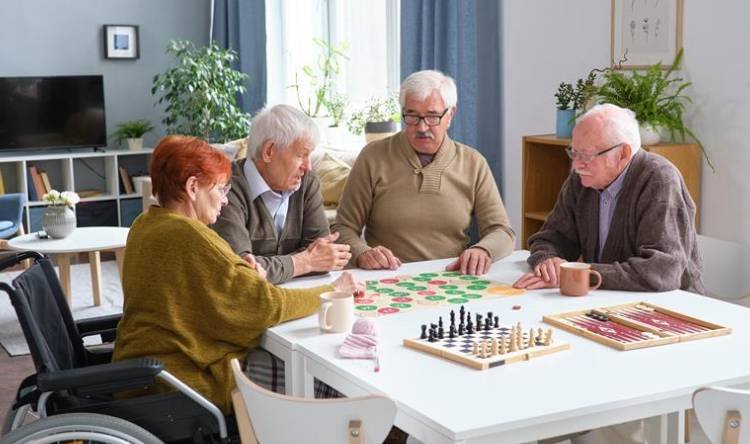
Solving the problem of loneliness in senior adults is not about grand gestures—it’s about consistency, kindness, and community. Whether it’s a simple game, a shared memory, or a new friend made over lunch, each moment of connection restores dignity and joy in ageing.
FAQs
Why do senior citizens often experience loneliness?
Loneliness in senior adults stems from various causes, including retirement, death of a spouse, reduced mobility, and limited social roles. As children grow up and move away, the frequency of daily interactions drops drastically. This emotional disconnection becomes more profound without regular engagement or meaningful conversation.
How does lack of social interaction affect elderly health?
The absence of regular social contact can lead to depression, poor memory, weak immunity, and even heart disease. Seniors who feel isolated are also more likely to suffer from anxiety and lack of motivation. Active social lives significantly contribute to overall wellness in senior years.
What kinds of groups help reduce loneliness among elders?
Elder kitty groups, weekly senior meet-ups, memory cafés, and group wellness sessions are effective in reducing isolation. These structured environments promote conversation, companionship, and joy. Social activities also encourage movement, laughter, and learning—all vital for senior well-being.
Are intergenerational events effective in addressing senior loneliness?
Yes, intergenerational events bridge emotional gaps between elders and youth. They promote mutual understanding, stimulate memory and dialogue, and give seniors the feeling of being valued. These events foster purpose, break stereotypes, and strengthen the social fabric around the elderly.
What role can families and communities play in reducing senior loneliness?
Families and communities must create consistent opportunities for elders to engage. Encouraging participation in elder weekly meets, introducing them to peer groups, or organising small events at home can go a long way. More than anything, giving seniors the time and space to be heard is the foundation of strong emotional health.