
Synopsis
The social landscape for seniors in India is undergoing a vibrant transformation, moving away from passive retirement toward active community engagement. We often find ourselves questioning if elder kitty parties can they uplift elders in a meaningful way beyond simple entertainment. The answer lies in the unique blend of financial autonomy, emotional support, and consistent social rhythm these gatherings provide. In the modern Indian family system, which is increasingly leaning toward nuclear families, the incidental social interactions of a joint household are vanishing. This makes the intentional act of elderly making friends through structured groups a vital necessity for mental health. By teaching technology to elders, we enable them to manage these groups independently, using digital tools to coordinate meets and share memories. This proactive social life is the ultimate wellness strategy because staying happy = healthy. This blog explores how the “kitty party” model is being repurposed in 2026 to create a resilient support network for India’s silver generation.
Table of Contents
- The Modern Reinvention of the Indian Kitty Party
- Why Elder Kitty Parties Uplift Elders and Boost Mental Health
- Creating a "Chosen Family" Within Nuclear Families
- Teaching Technology to Elders for Community Management
- The Financial and Emotional USPs of Senior Social Clubs
- Scientific Evidence: Why Staying Happy Equals Better Immunity
- Elder Special: A Catalyst for Social Upliftment
- Our Unique Services and USPs
The Modern Reinvention of the Indian Kitty Party
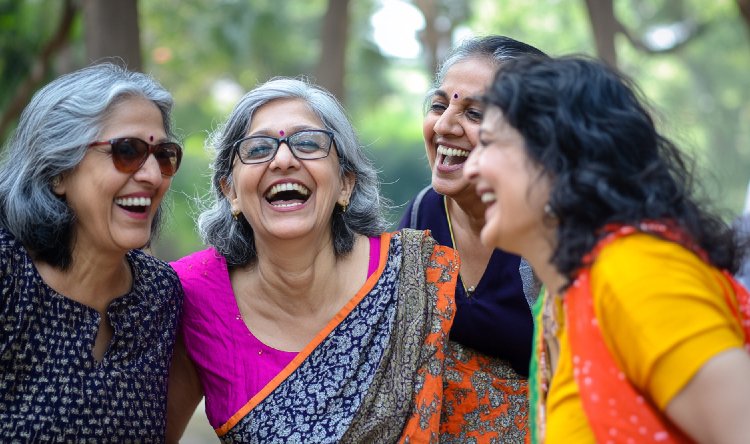
In 2026, the term “kitty party” has shed its superficial stereotypes to become a powerhouse of senior empowerment. No longer just a venue for tea and snacks, these gatherings have evolved into “micro-communities” that prioritize the psychological well-being of their members. For the urban Indian senior, these parties represent a dedicated space where they are not just “grandparents” or “retirees,” but individuals with their own social standing and friendships. This evolution is a direct response to the need for structured interaction in a fast-paced urban environment.
Why Elder Kitty Parties Uplift Elders and Boost Mental Health
It is crucial to understand that elder kitty parties can they uplift elders by providing a sense of ritual and predictability. For many seniors, the loss of a professional routine can lead to a sense of aimlessness, which is a major precursor to depression. A monthly or fortnightly social commitment provides a reason to dress up, engage in lively debate, and share life’s burdens with peers. These interactions stimulate the brain’s social centers, keeping cognitive functions sharp and emotional resilience high.
Creating a "Chosen Family" Within Nuclear Families
As the Indian family system continues to move toward nuclear families, the geographical and emotional distance between generations can sometimes lead to “social hunger” in seniors. Kitty parties act as a supplement to the family, creating a “chosen family” of peers who are physically present and share the same life context. This peer group provides a level of empathy and understanding that even the most well-meaning children cannot always offer. It ensures that the senior remains part of a vibrant, living network that values their presence and celebrates their milestones.
Teaching Technology to Elders for Community Management
The success of a modern social group often depends on digital coordination, making teaching technology to elders an essential part of the process. Seniors are now learning to use specialized apps to track their “kitty” funds, set reminders for meetings, and share photos instantly. Mastery of elders and mobile technology allows them to run their groups without being elders depending on kids for logistical help. This digital autonomy is a massive confidence booster, proving that they are fully capable of navigating the modern world to sustain their social lives.
The Financial and Emotional USPs of Senior Social Clubs
The “kitty” or rotating savings element of these parties provides a unique form of financial empowerment for seniors. Having a small, independent fund for personal treats or gifts for grandchildren fosters a sense of pride and agency. Emotionally, the games—ranging from traditional Tambola to modern digital quizzes—serve as powerful icebreakers that facilitate elderly making friends. These shared activities release dopamine and oxytocin, creating a “feel-good” environment that lingers long after the party has concluded, acting as a natural anti-depressant.
Scientific Evidence: Why Staying Happy Equals Better Immunity
The medical consensus in 2026 is that staying happy = healthy is a biological reality. Positive social interactions reduce chronic inflammation and lower the levels of stress hormones that can damage the cardiovascular system. When seniors engage in frequent laughter and social bonding, their body’s natural defense mechanisms are strengthened, leading to fewer hospital visits and faster recovery times. Happiness is not a side effect of health; it is a primary driver of it, making social upliftment a medical necessity for the aging population.
Elder Special: A Catalyst for Social Upliftment
The ELDER SPECIAL Group is at the forefront of this social revolution, providing the infrastructure and support needed to foster these vital connections. We understand that the strength of a society is measured by how it treats its elders, and our mission is to ensure they remain at the heart of the community. Our brand is synonymous with dignity, joy, and active aging. We provide the platform where the silver generation can rediscover the magic of friendship and the power of collective support.
Our Unique Services and USPs
Elder Special offers a comprehensive “Social Club Suite,” including specialized training for teaching technology to elders and curated elderly making friends events. Our USPs include our 24/7 “Social Safety Net” and our social healthcare event calendar that integrates health talks into social gatherings. We provide accessible, high-quality venues that cater specifically to senior comfort and safety. By joining us, you are not just attending a party; you are investing in a lifestyle that prioritizes your social upliftment and total wellness.
FAQs
How does a rotating savings fund benefit a senior's mindset?
A rotating savings fund, or “kitty,” provides a senior with a sense of financial agency that is separate from their main savings or pension. Knowing they will receive a lump sum on a specific month allows them to plan for personal treats, such as a special gift for a grandchild or a solo weekend trip, without feeling they are “taking away” from family resources. This micro-financial independence is incredibly empowering and boosts self-esteem. It also fosters a high level of trust and accountability within the social group, strengthening the emotional bonds between members. Financial confidence is a key pillar of mental peace in the later years of life.
Are kitty parties effective in reducing the risk of dementia?
Yes, research in 2026 indicates that regular social engagement in groups like kitty parties can significantly delay the onset of cognitive decline. The combination of social interaction, which requires the brain to process complex emotional cues, and “brain games” like Tambola or card games, keeps neural pathways active. Learning the logistics of a new social group and staying updated with peers’ lives acts as a continuous “mental workout.” By preventing social isolation, these parties help maintain “cognitive reserve,” making the brain more resilient against the biological changes associated with dementia. Keeping the mind active and engaged is the best non-medical defense we have.
What can be done if a senior is too shy to join a kitty party?
For a shy senior, the best approach is to start with a very small, “interest-based” group, such as a 3-person knitting circle or a small book discussion group, rather than a large party. Family members can help by teaching technology to elders so they can first interact with potential friends online through moderated senior communities. Many organizations also offer “Social Buddies”—trained volunteers who accompany the senior to their first few meetings to handle introductions and ease social anxiety. Once the senior realizes that everyone in the group is looking for the same thing—companionship and a laugh—the hesitation usually fades. Taking the first step is always the hardest part of the journey.
How have digital tools changed the way seniors socialize in India?
Digital tools have removed the “geographical barrier” to socialization, allowing seniors to stay connected with friends who have moved to different parts of the city or even different countries. WhatsApp groups have become the “digital living rooms” of the 2020s, where seniors share morning greetings, health tips, and family news daily. Video calls allow for a deeper sense of presence than voice calls, helping to combat the loneliness of living in nuclear families. Furthermore, apps for booking cabs and ordering food have made attending physical elderly making friends events much safer and more convenient. Technology has transformed a senior’s home from a closed box into a connected hub of opportunities.
Why is the concept of a "chosen family" so important for seniors?
A “chosen family” refers to a group of friends who provide the same level of emotional support, loyalty, and care as biological relatives. For many seniors, their children may be loving but are often preoccupied with demanding careers or raising their own children in separate cities. A chosen family of peers fills this gap by being available for daily coffee, a walk in the park, or simply a long phone call to vent. These peers share the same generational history and life-stage challenges, making their advice and empathy feel very authentic. Having a chosen family ensures that the senior has a constant, reliable support system that celebrates their individuality.