
Synopsis
In the fast-paced, screen-dominated world of 2026, we are witnessing the revival of one of humanity’s oldest traditions: storytelling. Within the Indian family system, the oral transmission of history and values has always been the glue that binds generations. However, as more households transition into nuclear families, these organic “storytelling hours” are at risk of being lost to busy schedules and digital distractions. Reclaiming this ritual is not just about preserving the past; it is about providing seniors with a sense of relevance and giving the youth a much-needed emotional anchor. By empowering elders with communication tools, we can help them record these narratives or share them via video calls, ensuring that family legacies remain vibrant. This blog explores how the simple act of sharing a life story can be the most profound way of building new bonds in a modern world.
Table of Contents
- Storytelling: The Original Social Network
- Why Your Life Experiences are a Treasure for the Youth
- Preserving Heritage within Modern Nuclear Families
- Using Digital Mediums to Archive Family Narratives
- The Psychological Reward of Being "The Family Historian"
- How Storytelling Sessions Foster Mutual Respect
- Elder Special: Creating Platforms for Shared Wisdom
Storytelling: The Original Social Network
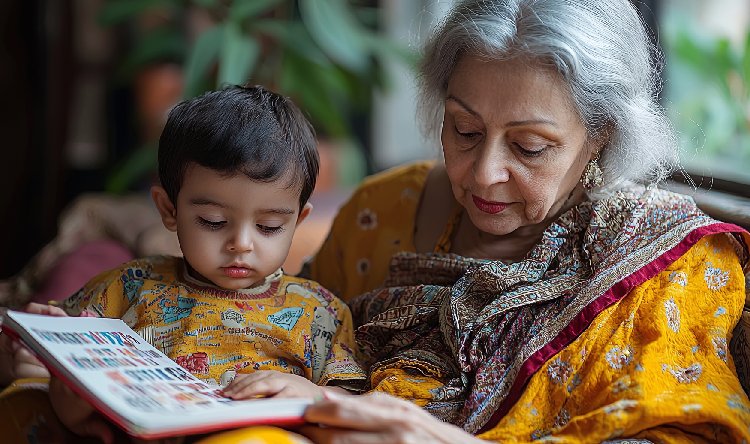
Long before the advent of digital likes and shares, the “Chaupal” or the courtyard served as the hub of information and entertainment in India. Seniors were the primary narrators, turning personal struggles and triumphs into lessons for the younger generation. In 2026, this tradition is being reinvented. Storytelling is a unique form of engagement that requires no physical exertion but offers immense emotional satisfaction. It transforms the senior from a “receiver of care” into a “provider of wisdom,” balancing the scales of the Indian family system.
Why Your Life Experiences are a Treasure for the Youth
Today’s youth live in an era of “instant gratification,” often lacking the perspective that only time can provide. When a senior shares stories of resilience—living through historical shifts, career challenges, or personal growth—it provides the younger generation with a “mental roadmap.” These narratives humanize the elder, moving them beyond the role of a grandparent to that of an individual who has lived a rich, complex life. These rare opportunities for connection help children understand that the challenges they face today have been navigated by those they love before them.
Preserving Heritage within Modern Nuclear Families
In the structure of nuclear families, children often grow up without a deep sense of their roots. Storytelling bridges this gap. Narrating the origins of a family tradition, the meaning behind a surname, or the history of a native village instills a sense of belonging in a child. It grounds them in an identity that is larger than their current urban surroundings. This “cultural continuity” is essential for the emotional development of children, making them feel like they are part of a long, meaningful lineage.
Using Digital Mediums to Archive Family Narratives
Technology has provided us with incredible ways to ensure that stories are never forgotten. By focusing on digital literacy for seniors, we can teach them to use voice recording apps, create simple video blogs, or even write digital journals. These archives become family heirlooms that can be accessed by grandchildren and great-grandchildren years from now. Mastery of modern communication apps allows a senior in Chennai to tell a bedtime story to a grandchild in London, ensuring that distance never dampens the power of a good tale.
The Psychological Reward of Being "The Family Historian"
Taking on the mantle of the “Family Historian” provides seniors with a powerful sense of purpose. It validates their life journey and ensures their voice is heard. This sense of being valued is a major contributor to mental well-being, as it wards off feelings of invisibility or stagnation. When a senior sees a young person listening with rapt attention, it creates a “relevance high” that boosts their confidence and spirit. It proves that while the world changes, the value of a well-told story remains constant.
How Storytelling Sessions Foster Mutual Respect
Storytelling is a two-way street. While the senior shares the past, the younger listener often shares the “new world” perspective. This exchange fosters a deep, mutual respect. The child learns to value the wisdom of age, and the senior learns to appreciate the curiosity and technological savvy of the youth. These intergenerational meets break down the barriers of “the generation gap,” replacing judgment with curiosity. It creates a harmonious household where every member’s perspective is honored.
Elder Special: Creating Platforms for Shared Wisdom
The ELDER SPECIAL Group believes that every senior is a living library. We facilitate “Legacy Circles” and “Grandparent Story-Hours” to ensure these voices are celebrated. Our brand is a champion of the Indian family system, providing the tools and the stage for seniors to pass on their light. We believe that a story told is a bond strengthened, and we are here to ensure that your narrative continues to inspire and guide the generations to come.
FAQs
How can I start a storytelling tradition if my grandkids are busy?
The best way to start is by keeping it informal and “snackable.” Instead of a long session, share a “Story of the Week” during Sunday brunch or a 5-minute anecdote during a car ride. You can also use digital tools to send a short voice note or a “Throwback Thursday” photo with a small caption about what was happening in that picture. Once the children’s curiosity is piqued, they will naturally start asking more questions. The goal is to make it a fun, low-pressure part of your family’s regular communication.
What if I feel my life hasn't been "exciting" enough to tell stories?
Every life is a series of lessons, and what might seem “ordinary” to you can be fascinating to a younger generation living in a completely different world. Stories about how you traveled to school, what your first job was like, or how you managed without a mobile phone are exotic to today’s children. Focus on the emotions—how you felt when you were nervous, happy, or brave. It is the human connection and the “how-to” of navigating life that truly interests the listener, not just grand adventures.
Can storytelling help seniors with mild cognitive changes?
Yes, “reminiscence therapy”—the act of recalling and sharing past events—is a recognized tool for maintaining cognitive function. It exercises the long-term memory centers of the brain and helps in maintaining linguistic skills. For seniors, looking through old photographs or handled objects can trigger “anchor memories,” making the storytelling process easier. It provides a sense of mental organization and helps the individual feel more grounded in their own identity. It is a joyful way to keep the mind engaged and active.
How can parents in nuclear families facilitate these sessions?
Parents can act as the “bridge” by asking leading questions during family gatherings, such as “Dad, tell the kids about the time you moved to this city for the first time.” They can also set aside a “No-Screen Hour” once a week dedicated to family talk. Providing seniors with user-friendly recording devices or scrapbooks can also encourage them to document their stories. By showing that they value these narratives, parents teach their children to respect and cherish the wisdom of their grandparents.
Are there any digital apps for archiving family stories?
In 2026, there are several specialized “Legacy Apps” designed for seniors that allow them to upload photos and record audio descriptions for each one. Some apps even provide “daily prompts” like “Tell us about your favorite childhood meal” to help get the stories flowing. Using cloud-based photo albums (like Google Photos) with “Shared Libraries” is another great way to build a collective family history. These tools ensure that even if the family is spread across nuclear units, the “family storybook” remains accessible to everyone at any time.