
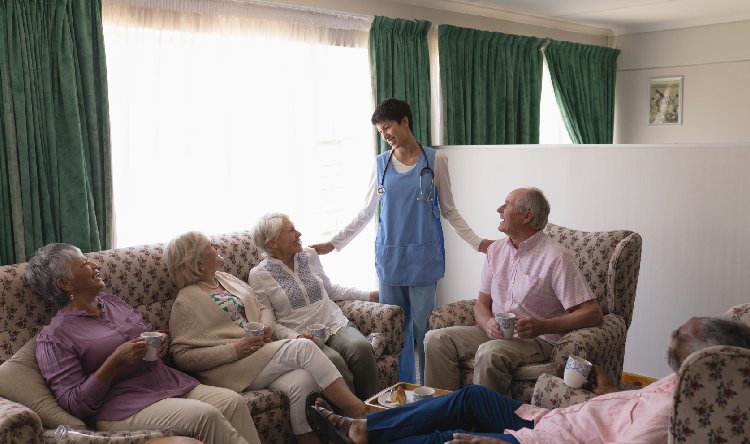
Synopsis
As we reach the milestone of 2026, the concept of a “senior home” in India has moved away from traditional, heavy aesthetics toward a philosophy of functional elegance. For many, living in nuclear families means having the opportunity to curate a personal sanctuary that truly reflects their individual tastes. No longer confined to the “back room” of a joint household, the modern senior is reclaiming their living space to suit their evolving needs for safety, light, and inspiration. By embracing digital home management, elders are integrating smart lighting and voice-controlled systems that make independent living a breeze. This blog explores how a well-designed home can be a sanctuary for the soul, proving that your surroundings play a vital role in maintaining a vibrant and engaged lifestyle.
Table of Contents
- The Psychology of Space: Why Your Home Environment Matters
- Designing for Comfort: Blending Tradition with Ergonomics
- The Indian Family System: Creating a "Grandparent-Friendly" Guest Room
- Smart Homes: How Technology Enhances Safety and Ease
- Bringing the Outdoors In: The Power of Indoor Greenery
- Decluttering for Clarity: The Path to a Peaceful Mind
- Elder Special: Celebrating the Art of Senior Living
The Psychology of Space: Why Your Home Environment Matters
Our surroundings have a direct impact on our emotional well-being. A home filled with natural light, warm colors, and cherished memories can act as a daily mood elevator. In 2026, interior design for seniors is focusing on “Emotional Ergonomics”—creating spaces that are not just easy to move in, but also deeply comforting to inhabit. For those who spend a significant amount of time at home, choosing a decor style that feels “light” and “airy” can help prevent feelings of stagnation, keeping the spirit refreshed and optimistic.
Designing for Comfort: Blending Tradition with Ergonomics
The modern Indian senior home often strikes a beautiful balance between heritage and health. While we love our antique teak swings and heavy silk cushions, there is a growing trend toward ergonomic furniture. High-back chairs that support the spine, beds at the perfect height for easy access, and slip-resistant rugs are becoming standard. This transition doesn’t mean sacrificing beauty; it means choosing “smart furniture” that honors the body’s needs while maintaining the aesthetic richness of the Indian family system.
The Indian Family System: Creating a "Grandparent-Friendly" Guest Room
In the era of nuclear families, many seniors find themselves hosting their children and grandchildren during holidays. Designing a home that is “visitor-ready” while remaining a personal sanctuary is an art. Creating a “multigenerational nook”—a space with toys for the kids and comfortable seating for the elders—ensures that these rare opportunities for connection are comfortable for everyone. A home that welcomes all ages while maintaining the senior’s primary comfort is the hallmark of a successful modern household.
Smart Homes: How Technology Enhances Safety and Ease
Digital transformation isn’t just for smartphones; it’s for the very walls we live in. Digital literacy for seniors now includes mastering “Smart Home” features. Voice-activated assistants can turn on lights to prevent falls at night, smart thermostats maintain the perfect temperature, and video doorbells provide security without the need to rush to the door. These tools provide a sense of immense control and safety, allowing seniors to live independently with confidence. Technology is no longer a gadget; it’s an invisible guardian.
Bringing the Outdoors In: The Power of Indoor Greenery
“Biophilic design”—incorporating nature into the home—is a major trend for 2026. Indoor plants like peace lilies, snake plants, and aloe vera do more than just purify the air; they provide a sense of companionship and purpose. Tending to a small balcony garden or a windowsill of herbs offers a gentle form of daily movement and a connection to the cycles of nature. The vibrant green of a leaf against a sunny window is a simple, daily reminder of growth and vitality.
Decluttering for Clarity: The Path to a Peaceful Mind
One of the most empowering acts for a senior is “Swedish Death Cleaning” or simply, intentional decluttering. Clearing out items that no longer serve a purpose creates physical and mental space. In 2026, the “Minimalist Senior” is a growing demographic in urban India. By keeping only what is truly used or deeply loved, seniors reduce the risk of tripping hazards and make their homes easier to maintain. A decluttered home leads to a decluttered mind, allowing for more focus on building new bonds and pursuing new hobbies.
Elder Special: Celebrating the Art of Senior Living
The ELDER SPECIAL Group believes that your home is the stage upon which your best years are played out. We provide inspiration and community support to help our members create homes that are safe, stylish, and soulful. Our brand is a champion of the “Independent Indian Senior,” and we believe that your living space should be a reflection of your wisdom and your zest for life. Whether you are redecorating a corner or a whole house, we are here to celebrate your journey into the art of beautiful living.
FAQs
What are the most important safety features for a senior home?
Safety starts with lighting and flooring. Ensure all walkways are well-lit with “night-lights” and that floors are non-slip, especially in bathrooms and kitchens. Grab bars in the bathroom and sturdy handrails on any steps are essential. In 2026, installing a smart security system with a video doorbell and motion sensors provides an added layer of protection. Removing loose rugs or securing them with double-sided tape is a simple way to prevent trips. A safe home is a confident home.
How can I make my home feel more modern without losing its "warmth"?
You can modernize your home by opting for lighter wall colors, like “warm whites” or “soft beiges,” which make spaces feel larger and cleaner. Incorporate modern fabrics for your curtains and cushions that are easy to wash and maintain. Use your traditional brass or wooden artifacts as “statement pieces” against a simpler background. Integrating technology discreetly, like hiding wires and using sleek smart speakers, can also give the room a contemporary feel without making it look like a lab.
Is it expensive to turn a traditional home into a "Smart Home"?
Not at all. In 2026, many smart home devices are quite affordable and “plug-and-play.” You can start small with a single voice-activated assistant and a few smart bulbs for the hallway and bathroom. As you become more comfortable with digital tools, you can add smart plugs for the geyser or AC. These devices often pay for themselves through energy savings and the invaluable peace of mind they offer. Most can be set up using a simple smartphone app with a bit of initial guidance.
How do I choose the right ergonomic furniture?
When choosing furniture, look for “Firmness and Height.” A sofa or chair should be firm enough that you don’t “sink” into it, making it hard to get up. The seat height should allow your feet to rest flat on the floor with your knees at a 90-degree angle. For beds, look for a height that allows you to sit on the edge with your feet touching the ground comfortably. Armrests are vital for providing leverage when standing up. Testing the furniture in person is always better than buying solely based on looks.
Can indoor plants really improve my mood?
Yes, several studies have shown that interacting with nature, even indoors, lowers stress levels and improves concentration. Plants release oxygen and increase humidity, which can be beneficial for respiratory health in urban environments. The act of caring for a living thing provides a gentle “nurturing routine” that can be very fulfilling. For seniors, choosing “low-maintenance” plants like Pothos or ZZ plants ensures that the hobby remains a joy rather than a burden. Greenery brings a sense of life and “Prana” (energy) into the home.