
Synopsis
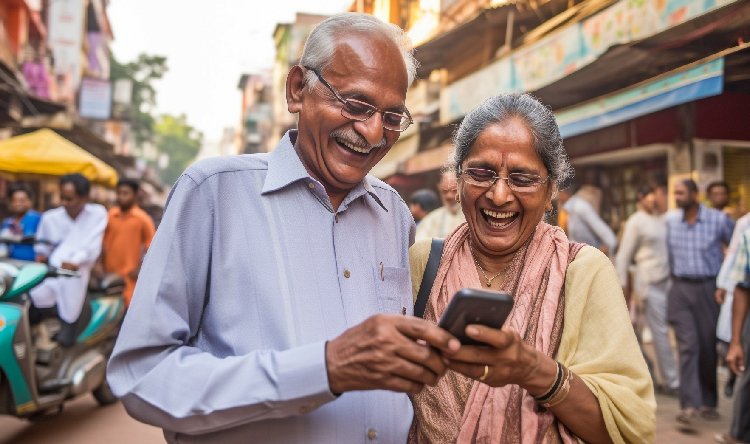
In the cultural landscape of 2026, retirement is no longer synonymous with staying at home. The “Silver Traveler” has emerged as a major trend, with seniors reclaiming their sense of adventure and curiosity. While the Indian family system previously viewed travel for elders as a logistical hurdle, modern amenities and specialized services have made it a seamless experience. For those residing in nuclear families, travel offers a powerful way to break the routine and engage with the world on their own terms. By enhancing digital fluency for seniors, we empower them to book boutique stays, navigate new cities via GPS, and document their journeys in real-time. Whether it’s a spiritual retreat in the Himalayas or a cultural tour of Rajasthan, stepping out of one’s comfort zone is the ultimate secret to a spirited life. This blog explores how the modern Indian senior is navigating the world, one destination at a time.
Table of Contents
- The Rise of the "Silver Traveler" in India
- Breaking the Routine: Why New Experiences Matter
- Travel and the Evolving Indian Family System
- Digital Tools: The Compass for Modern Senior Tourism
- The Joy of Group Travel and Community Connections
- Planning the Perfect Trip: Comfort, Pace, and Interest
- Elder Special: Curating Journeys for the Golden Years
The Rise of the "Silver Traveler" in India
Gone are the days when senior travel was limited to religious pilgrimages. In 2026, Indian seniors are exploring art retreats, wellness cruises, and heritage walks. This shift is driven by a desire for “experiential living”—the idea that life’s later years are the perfect time to visit the places one only read about in books. With increased disposable income and a focus on self-fulfillment, the silver generation is now one of the most active segments in the tourism industry, proving that the spirit of exploration has no age limit.
Breaking the Routine: Why New Experiences Matter
Stepping into a new environment provides a unique form of mental stimulation. The act of navigating a new street, tasting a different cuisine, or learning the history of a palace keeps the mind sharp and adaptable. For those who feel the walls of their home closing in, travel offers a literal and figurative change of perspective. It provides “social currency”—new stories and memories to share with friends and family—ensuring that the conversation at the dinner table remains fresh and exciting.
Travel and the Evolving Indian Family System
Within the Indian family system, there is a growing trend of “multi-generational vacations” where grandparents, parents, and children travel together. However, there is also a rising movement of “Solo Senior Travel” or “Peer Group Tours.” In nuclear families, where children may not always be available for long trips, these specialized groups allow seniors to travel with like-minded individuals of their own age. This independence is a source of great pride, allowing elders to enjoy a pace and itinerary that is specifically tailored to their comfort and interests.
Digital Tools: The Compass for Modern Senior Tourism
The fear of getting lost or being stranded is a thing of the past, thanks to the technological empowerment of today’s seniors. Mastery of mobile travel apps allows individuals to book assisted-boarding on flights, reserve senior-friendly transport, and translate local languages instantly. Digital maps and review platforms ensure that every hotel and restaurant visited is vetted for accessibility and quality. Technology hasn’t just made travel easier; it has made it safer, giving seniors the confidence to venture into unknown territories with a digital safety net.
The Joy of Group Travel and Community Connections
One of the most rewarding aspects of senior tourism is the opportunity for building new bonds while on the road. Group tours designed for seniors focus on “slow travel,” prioritizing depth over speed. Sharing a sunset over the backwaters of Kerala or a meal in a Tuscan vineyard with a group of peers creates a unique camaraderie. These shared experiences often lead to lifelong friendships that continue long after the trip has ended. Travel is the ultimate icebreaker, bringing people together through the magic of shared discovery.
Planning the Perfect Trip: Comfort, Pace, and Interest
Successful senior travel in 2026 is all about “The Three Cs”: Comfort, Convenience, and Curiosity. Modern itineraries now include frequent rest stops, accessible transport, and hotels with elevators and walk-in showers. It’s important to plan trips around personal interests—whether it’s bird-watching, photography, or textile history. Moving away from “whirlwind tours” to “stationary travel” (staying in one place for longer) allows for a deeper connection with the local culture without the physical exhaustion of constant movement.
Elder Special: Curating Journeys for the Golden Years
The ELDER SPECIAL Group recognizes that travel is a vital part of a vibrant lifestyle. We don’t just organize local meets; we act as a gateway to broader horizons. Our brand stands for a world where seniors are seen as adventurers and explorers. We provide the social and digital support needed for our members to plan their next great escape with total peace of mind. We believe that every mile traveled is a memory gained, and we are here to ensure those memories are filled with joy, respect, and wonder.
FAQs
What is "Slow Travel" and why is it ideal for seniors?
Slow travel is a philosophy that emphasizes connection to local people, cultures, food, and music, rather than just checking off “tourist spots.” For seniors, it means staying in one city or region for a week or more instead of rushing through five cities in ten days. This pace reduces physical fatigue and allows for a much richer experience. It provides the flexibility to wake up late, enjoy a long lunch, and truly soak in the atmosphere of a place. It turns a vacation into a meaningful cultural immersion.
How can seniors manage their luggage and mobility while traveling?
In 2026, most major airports and railway stations in India offer “assisted services” that can be booked in advance via digital platforms. This includes porter services, wheelchair assistance, and buggy transport. It is advisable to travel with “spinner” luggage (four wheels) which requires minimal effort to push. Many boutique hotels now offer “door-to-door” luggage transfer services where your bags are picked up from your home and delivered directly to your room. Planning ahead and using these services ensures that physical limitations never stand in the way of adventure.
Are there specialized travel insurance plans for Indian seniors?
Yes, the insurance market has evolved to offer “Comprehensive Senior Travel Insurance” that covers pre-existing conditions, trip cancellations, and emergency medical evacuations. Some plans also include “Compassionate Visit” features, where a family member’s travel is covered if the senior is hospitalized abroad. It is essential to read the fine print and choose a plan that offers 24/7 global assistance. Having the right insurance provides a psychological “safety net,” allowing the traveler to focus on the joy of the trip rather than “what-if” scenarios.
How can technology help seniors stay connected with family while traveling?
Technology provides several ways to stay connected without the high cost of international roaming. Using local eSIMs or international roaming packs allows for constant WhatsApp updates and video calls. Sharing a “Live Location” with children back home in nuclear families provides them with peace of mind. Cloud-based photo albums allow family members to see travel photos in real-time, making them feel like they are part of the journey. For many, the ability to share a sunset or a meal via a video call is the highlight of their day.
What are some safe "solo-friendly" destinations for Indian seniors?
Destinations known for their safety, hospitality, and infrastructure are ideal for solo seniors. Within India, places like Mysore, Chandigarh, and Pondicherry offer a blend of culture and ease of movement. Internationally, countries like Singapore, Japan, and Portugal are highly rated for their senior-friendly public transport and safety records. Joining a “Small Group Tour” specifically for seniors is also a great way to travel solo while having the security and companionship of a group. These destinations allow for independence while ensuring that help and community are always nearby.