
Synopsis
Loneliness in senior adults is more than a silent ache—it is a growing health concern globally, especially in urban India where traditional joint families are being replaced by nuclear households. As elderly individuals face reduced mobility, retirement, or the passing of peers, their emotional world begins to shrink. But there’s hope. The rise of social groups for senior citizens, elder weekly meets, and elder intergenerational events is creating a fabric of belonging that uplifts the mental, emotional, and physical well-being of our ageing population.
This blog explores the causes of loneliness in seniors and the profound difference that organised elder care events and active senior groups can make. Drawing inspiration from global best practices and elder-focused innovations, we look at how structured social interaction prevents emotional deterioration, improves cognitive health, and brings renewed meaning to later life. The healing begins not in hospitals but in living rooms, parks, and meetups where laughter echoes, stories are shared, and friendships are born.
Elder Special’s model—rooted in empathy and celebration—is one such initiative helping seniors find connection, purpose, and joy. By reimagining community, we are not just solving loneliness—we are restoring dignity.
Table of Contents
- Understanding Loneliness in Senior Adults
- The Mental and Physical Toll of Isolation
- The Role of Elder Weekly Meets
- Building Consistent Social Connection
- Emotional Support Through Community
- Global Examples – What India Can Adopt
- Elder Intergenerational Events and Their Impact
- The Rise of Social Groups for Senior Citizens in India
- Elder Special’s Model – Purpose, Joy and Care
- A Movement Rooted in Love and Inclusion
Understanding Loneliness in Senior Adults
Loneliness is one of the most underestimated problems among senior adults. With children moving to different cities and social circles diminishing, many elders find themselves spending entire days without meaningful conversation. It’s not just about being alone—it’s about feeling forgotten, unneeded, or invisible. This quiet suffering can lead to long-term emotional and cognitive decline.
The Mental and Physical Toll of Isolation
Loneliness doesn’t just hurt emotionally—it impacts physical health. Research shows that isolation in seniors increases the risk of depression, anxiety, heart disease, and even early mortality. Without regular engagement, many lose their sense of purpose, affecting sleep, appetite, and immunity. For the ageing population, loneliness is a disease that requires urgent community-based solutions.
The Role of Elder Weekly Meets
Building Consistent Social Connection
Weekly elder meets create an anchor in an otherwise quiet week. Knowing that Sunday brings a fun session with friends boosts morale and encourages seniors to dress up, step out, and engage. These gatherings help re-establish routine, which is often lost post-retirement.
Emotional Support Through Community
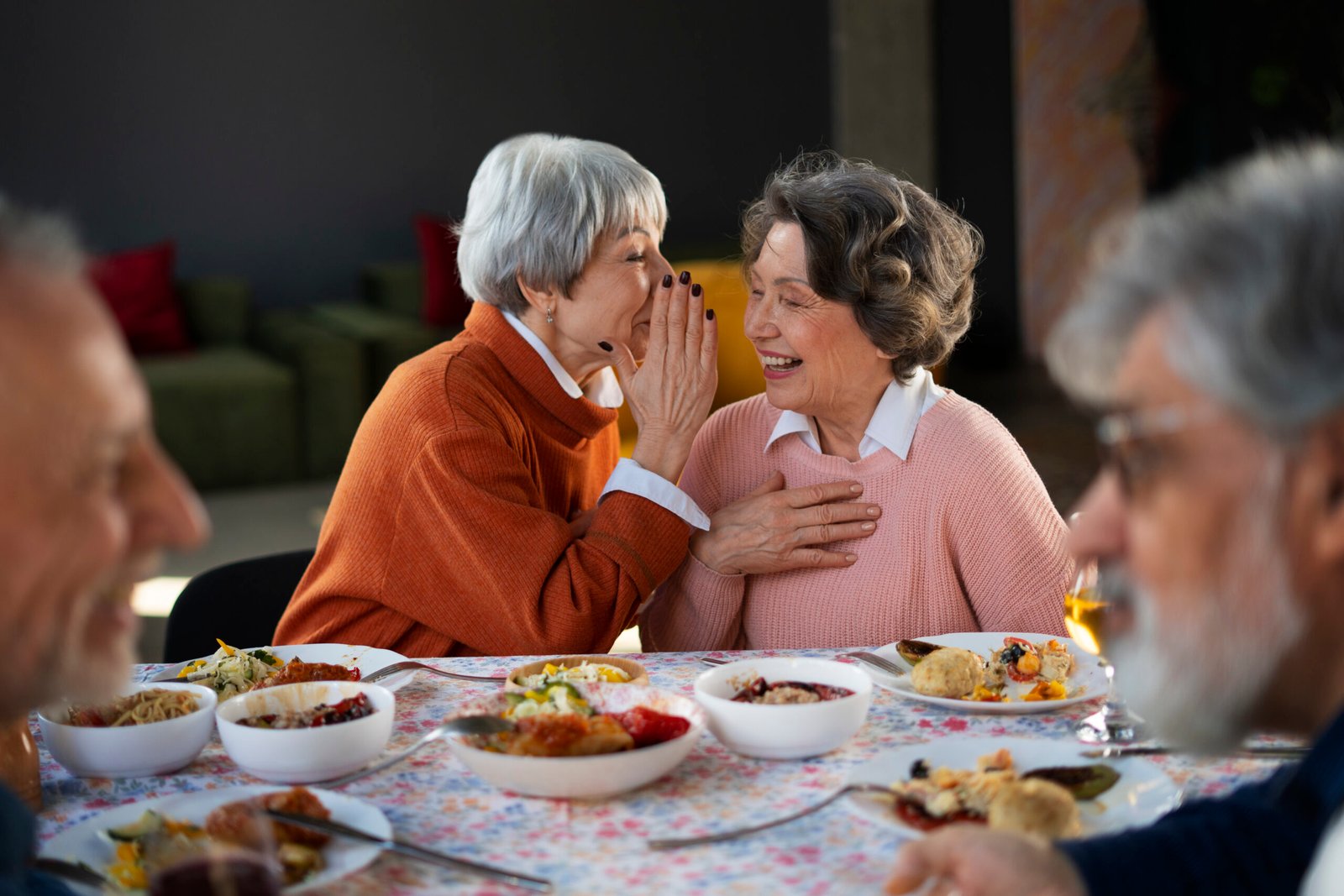
Talking with peers who share similar experiences—loss of a spouse, grandparenting, health concerns—offers relief and validation. Elder weekly meets become safe spaces where vulnerability is respected, laughter is shared, and friendships blossom organically.
Global Examples – What India Can Adopt
In the UK, ‘companion cafés’ allow seniors to gather and engage weekly, sometimes paired with younger volunteers. In Australia, city councils sponsor dance sessions and storytelling clubs for the elderly. India can adopt these low-cost, high-impact models by using local temples, community halls, or cafés to host elder groups that are warm, welcoming, and accessible.
Elder Intergenerational Events and Their Impact
When children and youth interact with seniors in structured ways—like helping with tech or participating in games—the sense of loneliness fades. Intergenerational events create mutual learning. Elders feel they are still relevant, while youngsters gain respect and patience. These are not just events—they are cultural bridges that heal emotional gaps.
The Rise of Social Groups for Senior Citizens in India
India is witnessing a rise in informal clubs, elder kitty groups, and hobby-based elder communities. Be it a laughter club in Mumbai or a yoga group in Chandigarh, these spaces are nurturing joy and confidence. Even online groups on WhatsApp and Facebook are giving seniors an active voice and platform to stay in touch and engaged.
Elder Special’s Model – Purpose, Joy and Care
Elder Special designs each event with empathy. A typical meetup features fun games, health check sessions, interactive learning (like how to use UPI apps), and a delicious meal—all hosted in a comfortable, senior-friendly venue. With nurses, wheelchairs, and emergency support available, seniors feel safe and valued. But more importantly, they feel alive—laughing, learning, and belonging.
A Movement Rooted in Love and Inclusion
Loneliness in senior adults can be cured with empathy, community, and consistent action. Elder Special isn’t just an initiative; it’s a movement that invites families, societies, and organisations to take part. Through elder care events, intergenerational bonding, and purposeful weekly meets, we can rebuild a society where no elder feels left behind.
FAQs
What causes loneliness in senior adults?
Several factors contribute to loneliness in senior adults, including retirement, children moving away, loss of spouse or friends, and reduced mobility. Seniors may feel socially excluded or emotionally disconnected even when surrounded by people. The shift from joint to nuclear families in urban India has also increased emotional distance. Without regular interaction or purpose, loneliness sets in and can deeply impact health and well-being.
How do weekly elder meets help reduce loneliness?
Weekly elder meets create a reliable routine and provide meaningful social engagement. These gatherings encourage seniors to step out of the house, meet peers, and engage in fun and learning activities. They promote emotional sharing and laughter, which in turn reduces feelings of isolation. Over time, seniors develop friendships and support networks that can significantly improve their mental and emotional health.
What are some examples of social groups for senior citizens?
Social groups for senior citizens can range from laughter clubs, music circles, and yoga classes to book clubs and community cafés. Many cities now offer elder kitty groups or hobby-based meetups. Even digital platforms have communities of senior citizens who regularly connect. These groups provide not just entertainment but also emotional strength, making everyday life feel less lonely.
How do intergenerational events benefit elderly individuals?
Intergenerational events bring elders and youth together in a spirit of learning and respect. Seniors feel valued when younger generations engage with them through shared activities. These interactions can boost their confidence, reduce feelings of being left behind, and introduce them to new skills, including technology. It also helps families reconnect on a deeper emotional level.
What are the signs that an elderly person might be lonely?
Some signs include withdrawal from social activities, a sudden drop in energy, reluctance to communicate, or expressing feelings of emptiness. Changes in appetite or sleep and a lack of interest in hobbies may also indicate loneliness. Early intervention through social groups, counselling, or events can significantly help in restoring their mental health and sense of purpose.