
Synopsis
As people grow older, their routine, energy levels, and social life undergo massive shifts. Many elders, after retirement or once their children move away, find themselves stuck in a loop of repetition and stillness. In this blog, we delve into how engaging activities for elders, combined with structured weekly elder groups, can reignite their zest for life and help them feel deeply connected to a purpose. From therapeutic games to cultural storytelling, these initiatives provide much-needed cognitive stimulation, emotional bonding, and joy.
Inspired by successful elder care events globally and in India, we explore how curated sessions create a holistic support system for the ageing population. We highlight how elder weekly meets go beyond just ‘passing time’—they foster identity, meaning, and vibrant friendships. We also examine the role of group therapy activities for older adults and motivational group events in helping elders open up emotionally and mentally. Whether it’s dance, poetry, or technology workshops, the power of these activities lies in how they help restore the spirit of play, curiosity, and contribution in our senior years.
Elder Special’s weekly meets are tailored to achieve just that—offering physical, emotional, and spiritual nourishment through joyful experiences every week.
Table of Contents
- Why Activities Matter in Later Life
- What Makes a Good Activity for Elders?
- The Power of Weekly Elder Groups
- Building Friendships and Purpose
- Encouraging Participation in a Safe Space
- Group Therapy Activities that Truly Work
- Motivational Events That Reignite Confidence
- Best Practices from Around the World
- How Elder Special’s Weekly Meets Bring it All Together
- Embracing Ageing With Purpose and Joy
Why Activities Matter in Later Life
Staying active mentally, socially, and physically is crucial for healthy ageing. As elders lose routine post-retirement and social roles begin to diminish, their sense of purpose often fades. Activities for elders, from structured games to light workouts and expressive art, provide mental stimulation, reduce cognitive decline, and offer a reason to look forward to the day.
What Makes a Good Activity for Elders?
The best elder activities are simple, inclusive, and adaptive. These could be memory games for stimulation, art therapy for expression, or light movement sessions for physical ease. Most importantly, they must be enjoyable and free of performance pressure. When designed with empathy, activities can become a doorway for laughter, sharing, and healing.
The Power of Weekly Elder Groups
Building Friendships and Purpose
Weekly elder groups bring consistency into otherwise scattered lives. They offer seniors a sense of belonging—a place where they are seen, heard, and loved. Over time, these groups become circles of trust where elders build friendships and share personal stories, grief, humour, and wisdom.
Encouraging Participation in a Safe Space
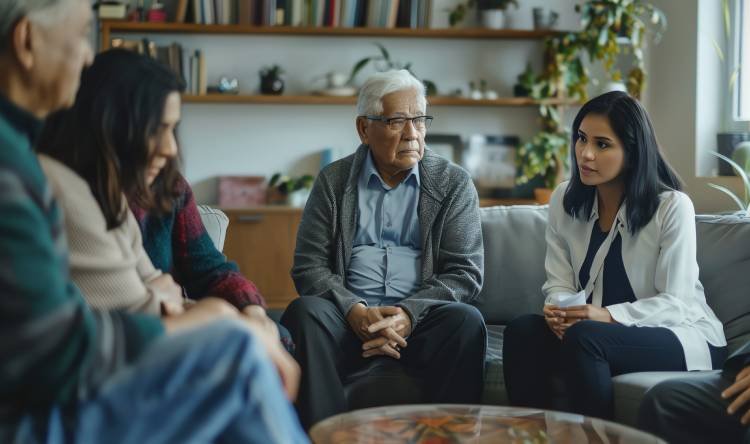
A regular meeting, in a familiar setting with facilitators trained to support elderly needs, becomes a safe haven. It encourages even the shyest elder to step in, speak, or smile. The predictability of these sessions gives comfort, while the variety in activities ensures continued engagement.
Group Therapy Activities that Truly Work
Therapeutic group sessions allow elders to address emotional burdens they might not otherwise share. Circle time discussions, memory-sharing exercises, laughter therapy, and role-playing games are subtle yet effective ways to allow emotional release. These activities also remind elders that they are not alone in their challenges.
Motivational Events That Reignite Confidence
Motivational group therapy activities for older adults—like storytelling contests, “What I Learned This Week” rounds, or role model showcases—encourage expression and pride. They allow elders to reclaim their voice, to know that they still inspire others. Such activities raise confidence and self-worth, which is crucial for emotional health.
Best Practices from Around the World
Japan’s community-led senior circles often focus on purposeful crafts. Sweden uses storytelling and song sessions in elder care homes. In the US, some libraries host weekly ‘tech and talk’ sessions for seniors to learn and bond. India is slowly catching up, and organisations like Elder Special are leading this cultural shift toward structured group care.
How Elder Special’s Weekly Meets Bring it All Together
At Elder Special, every week is a celebration of energy and togetherness. From karaoke to mobile training, themed dress-up days to wellness chats, the range is dynamic and inclusive. Each event is hosted with caregiver support, medical backup, and warmth. Elder Special’s focus is not just on activities, but on relationships and respect.
Embracing Ageing With Purpose and Joy
Ageing doesn’t mean life slows down—it can mean life evolves. Activities for elders, supported by weekly elder groups and caring environments, can turn later life into a chapter of growth. With organisations like Elder Special, that transformation is already underway—one joyful session at a time.
FAQs
Why are weekly group activities important for elders?
Weekly group activities help seniors maintain social interaction, boost emotional well-being, and establish a positive routine. These sessions encourage them to share experiences, engage in fun and therapeutic exercises, and form friendships. This regular engagement reduces feelings of isolation and contributes to improved mental health. It also keeps their days structured and full of meaning.
What kinds of activities are suitable for older adults?
Activities should be simple, enjoyable, and sensitive to the needs of the elderly. Examples include memory games, gentle yoga, music therapy, guided storytelling, and art or craft sessions. The key is to avoid fatigue and create space for social bonding and emotional expression. Activities that stimulate the mind and spark joy work best.
How do motivational group therapy sessions benefit seniors?
Motivational group therapy helps seniors rebuild confidence and rediscover their identity. Sharing personal stories, achievements, or learning new things with peers fosters pride and encouragement. These sessions also counteract feelings of irrelevance that many elders experience. They serve as emotional boosters and help seniors embrace ageing with optimism.
Can group therapy help with emotional and cognitive issues in seniors?
Yes, group therapy can be very helpful. It provides a supportive environment for elders to open up about loss, anxiety, or health struggles. Activities designed around expression and reflection help improve mood and delay cognitive decline. Over time, therapy in group settings becomes both healing and energising.
How does Elder Special ensure the safety of participants during activities?
All Elder Special weekly meets are hosted at senior-friendly venues with nurses, first-aid kits, wheelchairs, and a doctor on call. Activities are curated to be safe, inclusive, and comfortable for all mobility levels. Facilitators are trained to provide emotional support and ensure every elder feels secure and valued.