
Synopsis
Loneliness is one of the most overlooked yet pressing challenges faced by senior citizens today. Whether it’s due to physical limitations, loss of a partner, children moving away, or retirement, the lack of social interaction for elderly individuals often leads to emotional decline, anxiety, and even physical health issues. This blog explores how loneliness in senior adults has become a silent health epidemic and what solutions—both emotional and structural—can be adopted to counter it.
Drawing inspiration from successful global models and the growing movement in India to engage the ageing population, we examine practical ways to improve elder care. Weekly social groups, intergenerational events, spiritual bonding circles, and active community participation can work wonders. We also touch upon the emotional health of senior citizens, caregiver burdens, and the importance of making companionship a regular part of their lives.
Elder Special is one such platform working to solve these issues through weekly meetups, health talks, fun sessions, and tech training—all with the aim of reducing loneliness and building human connection.
Table of Contents
- Understanding Loneliness in Senior Adults
- Why Social Interaction Matters in Old Age
- The Psychological Effects of Isolation
- Emotional Health of Senior Citizens
- Community-Based Solutions for Senior Loneliness
- Global Best Practices in Reducing Loneliness
- How Elder Special Builds Meaningful Connections
- Towards a Compassionate Ageing Society
Understanding Loneliness in Senior Adults
Loneliness is not just about being alone—it’s about feeling disconnected, unheard, and invisible. For many older adults, it sets in gradually as friends pass away, children grow up and move, or mobility becomes limited. It is one of the most silent struggles among seniors and remains under-addressed despite its impact on both physical and mental health.
Why Social Interaction Matters in Old Age
Regular interaction stimulates the brain, uplifts the spirit, and fosters a sense of belonging. The lack of social interaction for elderly individuals often leads to emotional stagnation and even contributes to cognitive decline. Engaging in conversations, laughter, or simply sharing a meal can greatly improve a senior’s mood and outlook.
The Psychological Effects of Isolation
Loneliness can cause anxiety, depression, and a loss of will to engage in life. Many seniors internalise their emotional pain, feeling like a burden. This isolation increases the risk of heart disease, dementia, and weakened immunity. The emotional health of senior citizens is deeply tied to how connected they feel to the people around them.
Emotional Health of Senior Citizens
Just like physical health, emotional wellness requires regular care. Seniors need to feel valued, heard, and involved. Spaces that allow them to express grief, share wisdom, or simply participate in something meaningful can offer huge emotional relief. A smiling face or a listening ear can change everything for a lonely elder.
Community-Based Solutions for Senior Lonelines
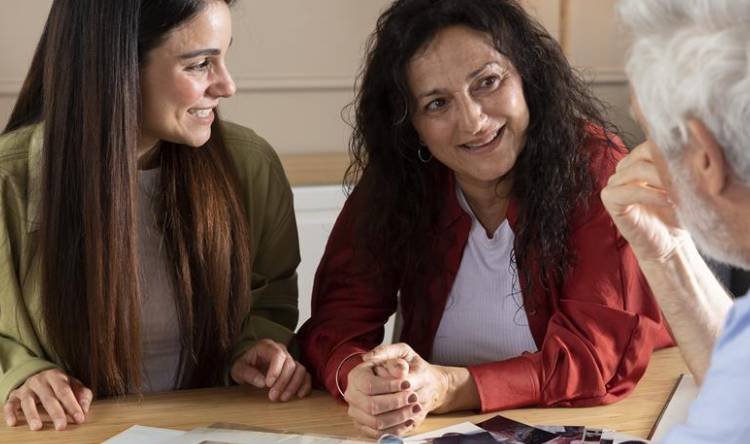
Creating accessible elder groups, spiritual sessions, and hobby-based communities are effective antidotes to loneliness. Intergenerational activities where young people bond with elders are especially helpful. Weekly meetups, cultural celebrations, or learning circles serve as consistent platforms for joy, empathy, and exchange.
Global Best Practices in Reducing Loneliness
In the UK, senior cafes and ‘befriending’ helplines help seniors connect with peers or trained listeners. Japan has community kitchens where elders cook and eat together. Canada offers “Neighbourhood Elder Circles” to keep older adults integrated within their local areas. These are simple, human-centred interventions that can be adapted in India.
How Elder Special Builds Meaningful Connections
Elder Special’s model brings seniors together in safe, welcoming environments. Each event includes social bonding, storytelling, health talks, tech training, and celebration. The aim is to help elders form genuine friendships while enjoying a variety of experiences. Loneliness is eased through laughter, learning, and shared meals.
Towards a Compassionate Ageing Society
It’s time to normalise conversations around senior loneliness and make compassion a public priority. Loneliness is not a weakness—it’s a call for connection. As India’s ageing population rises, platforms like Elder Special are redefining ageing through empathy, interaction, and belonging. With a little effort, we can ensure no elder ages alone.
FAQs
What are the common causes of loneliness in senior adults?
Loneliness in seniors often stems from losing a spouse, reduced mobility, living far from family, or lack of a daily routine. Retirement also contributes, as it can remove social interaction that once came from work. In some cases, physical or cognitive limitations make it harder to reach out. This emotional void can deepen over time without intervention.
How does lack of social interaction affect elderly health?
The absence of regular interaction can lead to depression, anxiety, and even a decline in physical health. Studies show that isolated seniors have a higher risk of heart disease, cognitive decline, and even earlier mortality. Interaction stimulates the brain, improves mood, and helps seniors feel emotionally secure and mentally active.
What are the signs that an elder is feeling lonely or isolated?
Changes in eating or sleeping habits, withdrawal from family or activities, irritability, and frequent illness may indicate loneliness. Some elders may express that they feel ‘forgotten’ or avoid initiating conversations. It’s crucial to pay attention to these signs and create opportunities for connection and support.
What can families do to help reduce loneliness in older adults?
Families can encourage participation in community groups, plan regular visits or calls, and include elders in family decisions. Teaching them to use technology for video calls or messaging can also bridge the distance. Importantly, active listening and simply being present can make a world of difference in how valued seniors feel.
Are there community-based platforms in India that reduce senior loneliness?
Yes, platforms like Elder Special are specifically designed to help senior citizens engage socially. Through weekly elder meets, festive gatherings, and tech training sessions, seniors get a chance to connect with others in their age group. These groups reduce loneliness and create long-lasting bonds, improving their overall emotional health.