
Synopsis
The ageing journey brings wisdom—but also unique challenges. From mobility issues and technology barriers to emotional vulnerability and reduced social circles, everyday problems for elderly individuals in India are quietly growing. Yet, community can be the strongest medicine. Elder groups, weekly meets, and elder care events offer a vital support network that not only addresses the daily hurdles but rekindles joy, purpose, and dignity in later years.
In this blog, we explore how peer groups, elder intergenerational events, and structured meets are tackling issues such as loneliness, healthcare gaps, emotional insecurity, and digital illiteracy among seniors. From forgotten birthdays to difficulty with mobile apps, the blog sheds light on real scenarios—while showcasing how elder communities empower individuals with support, belonging, and renewed confidence.
With inspiration from Western elder care models and innovations in Indian cities, we highlight practical solutions such as elder weekly meets, ageing-in-place support, and mobile-learning workshops. As the ageing population grows, the need for empathy-centred action becomes clearer. Community-based care isn’t an option—it’s a necessity.
Table of Contents
- The Everyday Problems Faced by the Elderly
- The Growing Challenge of an Ageing Population
- How Elder Groups Create Everyday Solutions
- Emotional and Practical Support through Weekly Meets
- Breaking Isolation with Peer Interaction
- Elder Intergenerational Events as Bridges
- Lessons from the West – What India Can Learn
- Local Adaptations Making a Difference
- How Elder Special Builds Purposeful Communities
- Encouraging Families to Get Involved
The Everyday Problems Faced by the Elderly
Everyday life for many elderly individuals can feel like an uphill task. Whether it’s struggling to climb stairs, remembering to take medicines, operating a smartphone, or coping with the loss of a loved one—these daily hurdles often go unnoticed. Financial insecurity, lack of companionship, and difficulty accessing healthcare further compound these issues. Without intervention, such problems slowly erode confidence and mental health.
The Growing Challenge of an Ageing Population
India’s ageing population is increasing at a rapid pace. As families grow nuclear and young professionals move to different cities, seniors often find themselves alone—both physically and emotionally. Public infrastructure is rarely designed for senior needs. From long queues in hospitals to complex user interfaces in banking apps, the system can feel overwhelming. Elder care events and structured support become essential lifelines in such environments.
How Elder Groups Create Everyday Solutions
Emotional and Practical Support through Weekly Meets
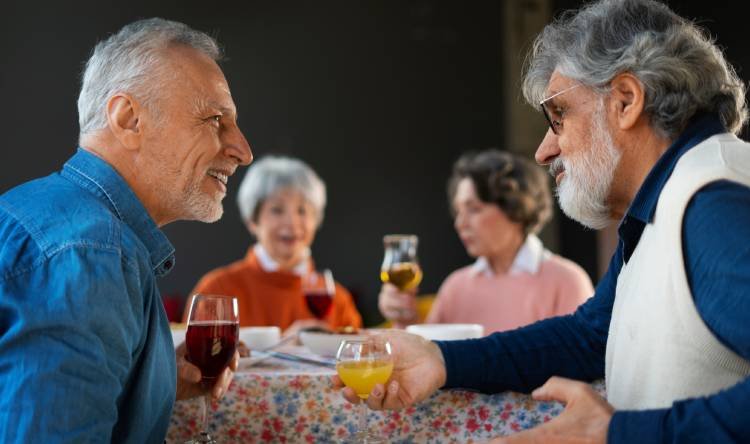
Elder weekly meets offer more than leisure—they offer belonging. A regular Sunday meetup where seniors talk, laugh, and even vent their frustrations builds trust and healing. Sharing similar challenges—be it knee pain or banking confusion—fosters emotional safety and support.
Breaking Isolation with Peer Interaction
Elder groups work because they normalise the experience of ageing. Knowing you’re not alone in your struggles lifts the emotional burden. Weekly laughter therapy, memory games, and group storytelling create joy while enhancing cognitive and emotional health. A friend to call or meet can make all the difference.
Elder Intergenerational Events as Bridges
Many elderly individuals feel invisible to the younger generation. Intergenerational events bridge this gap beautifully. When children interact with seniors—sharing poems, playing games, or helping them with gadgets—a sense of value is restored. These moments encourage empathy and connection. Elder Special organises such events to create mutual learning and deep bonding between generations.
Lessons from the West – What India Can Learn
In the Netherlands, elder cafés double as social learning hubs. In the US, libraries host tech-learning circles for seniors. In Japan, elders are community leaders in public gardens and local clubs. The lesson is clear—empowering seniors to participate regularly in community life enhances longevity and purpose. Indian elder care can adopt and adapt these inclusive formats.
Local Adaptations Making a Difference
In Indian towns, temple courtyards and community halls are becoming vibrant elder hubs. RWAs and clubs are offering dedicated days for elder groups. Local NGOs are teaching smartphone basics. These local efforts show that even small initiatives—done regularly—build trust, networks, and independence among elders. With the right mindset, any neighbourhood can become senior-friendly.
How Elder Special Builds Purposeful Communities
Elder Special’s mission is rooted in empathy. Every event—whether a healthcare camp or a tea gathering—is designed around comfort, accessibility, and joy. A typical 4-hour event includes ice-breaker activities, tech guidance, senior health talks, and meal-time bonding in a 3-star or 4-star hotel. With a nurse on site, wheelchair support, and a doctor on call, safety is ensured. More importantly, every member leaves feeling seen and celebrated.
Encouraging Families to Get Involved
Children often want to help but feel unsure how. By encouraging them to nominate their parents or grandparents, Elder Special turns intentions into action. Involving families in planning or attending events not only strengthens bonds but helps bridge the emotional gap often felt in urban families. This is community in action—and it heals across generations.
FAQs
What are some common everyday problems faced by the elderly?
Elderly individuals often struggle with physical challenges like mobility or joint pain. They may also face emotional issues such as loneliness or the grief of losing loved ones. Difficulty operating smartphones, remembering medications, and managing finances can also be stressful. These problems, though seemingly small, accumulate over time and affect mental and physical health. Creating support structures through community groups becomes essential in tackling these daily hurdles.
How do elder groups help in everyday life?
Elder groups provide both social interaction and emotional support. Meeting people with shared experiences helps reduce anxiety and isolation. Regular gatherings include fun and purposeful activities that make everyday life feel lighter and more manageable. These groups also provide information on health, tech, and community resources, which many seniors may not access otherwise. Overall, elder groups build confidence and improve well-being.
What is the significance of elder weekly meets?
Weekly meets give structure to a senior’s week and offer something to look forward to. These sessions often include activities such as yoga, storytelling, and tech help. Beyond entertainment, they foster emotional safety through regular connection. Attending weekly sessions also encourages mobility, builds friendships, and strengthens self-worth. It’s a low-cost, high-impact format to improve quality of life.
Why are intergenerational events important for elders?
Intergenerational events help seniors feel valued and included. These events create opportunities for learning and bonding with younger people. From sharing traditional wisdom to understanding new technologies, seniors feel more connected to the changing world. These events also help reduce stereotypes and foster empathy across generations. They’re key to reducing emotional gaps in families and society.
How can families encourage elders to join such groups?
Families can begin by talking to elders about the benefits of social interaction. Inviting them to attend a trial event or meetup can ease hesitation. Providing transportation or attending the first session with them often helps build confidence. Sharing stories or photos from similar events may also inspire interest. Encouragement and consistent follow-up are crucial to help elders break the initial barrier of hesitation.