
Synopsis
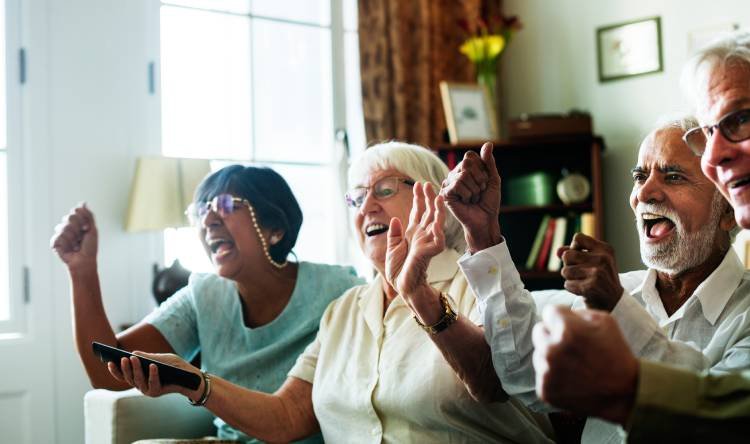
Loneliness in senior adults is one of the most overlooked yet emotionally devastating challenges in our ageing society. While medical interventions can address physical health, they rarely touch the emotional void that isolation creates. This is where social groups for senior citizens, elder groups, and elder weekly meets become a lifeline—transforming empty days into joyful connections. Across India, elder care events are now structured around creating not just companionship but also community. Whether it’s an elder kitty group in Lucknow or an intergenerational elder event in Pune, these spaces provide seniors with the joy of being seen, heard, and valued.
The blog explores how active senior groups and elder weekly meets in cities and towns can tackle not only loneliness but also improve emotional health, reduce anxiety, and boost overall well-being. Drawing inspiration from Western senior models like community cafés in the UK and Silver Circles in the US, we share how Indian elder care companies are adapting these formats—combining technology and empathy to nurture community.
We also explore Elder Special’s role in creating safe, fun, and emotionally uplifting spaces for senior citizens to gather regularly, share stories, and find a sense of belonging. Social interaction is not just a luxury for the elderly—it’s essential nourishment for the soul. Let’s explore why these elder groups are not just helpful, but absolutely vital.
Table of Contents
- Understanding Loneliness in Senior Adults
- The Healing Power of Social Interaction
- Emotional and Mental Benefits of Social Groups
- The Role of Elder Weekly Meets
- Elder Kitty Groups and Their Rising Popularity
- Global Best Practices—How the World Tackles Elder Loneliness
- Indian Adaptations That Work
- Role of Elder Care Events in Emotional Health
- Elder Special—Creating Purposeful Connections
- How to Join or Start an Elder Group
Understanding Loneliness in Senior Adults
Loneliness in senior adults is more than just being alone—it’s about the absence of meaningful social connection. After retirement or the loss of a spouse, many seniors find themselves without daily companionship. This isolation can lead to emotional decline, loss of self-worth, and even physical deterioration. It’s a silent epidemic often hidden behind polite smiles and “I’m fine” responses. Recognising it as a serious issue is the first step toward change. Elder groups and weekly meets act as critical bridges, reconnecting seniors to life, laughter, and love.
The Healing Power of Social Interaction
Emotional and Mental Benefits of Social Groups
Social groups for senior citizens have been shown to reduce symptoms of depression, anxiety, and even cognitive decline. Shared laughter, storytelling, games, and music create moments of genuine joy. Seniors feel valued, noticed, and mentally active, which significantly boosts emotional health. Unlike one-off gatherings, continuous interaction fosters deeper bonds and personal growth.
The Role of Elder Weekly Meets
Weekly elder gatherings serve as routine emotional touchpoints. A regular Thursday chai-and-chat or a Saturday laughter therapy session gives seniors something to look forward to. These weekly meets don’t just fill the calendar; they refill the spirit.
Elder Kitty Groups and Their Rising Popularity
A modern twist on a traditional concept, elder kitty groups offer both fun and financial utility. Seniors gather to pool resources, rotate hosting duties, and build friendships. What sets these apart is their focus on engagement, not extravagance. Whether it’s a poetry reading, cooking contest, or a simple lunch, every gathering is a chance to belong.
Global Best Practices—How the World Tackles Elder Loneliness
In Sweden, “Friendship Benches” offer seniors dedicated outdoor places to talk. In Japan, “Ibasho cafés” are run by elders for elders, encouraging autonomy. In Canada, “Seniors’ Co-housing” promotes communal living for shared care and companionship. Each of these shows that when elders are empowered to interact on their terms, loneliness shrinks.
Indian Adaptations That Work
In Chennai, temples host elder weekly meets where stories and prayers mix seamlessly. In Chandigarh, elder kitty groups organise park walks and chair yoga. Elder care events in cities like Delhi and Jaipur combine medical check-ups with community games. Local flavour, cultural familiarity, and convenience make these events effective and accessible.
Role of Elder Care Events in Emotional Health
Elder care events offer more than just activity—they offer a break from routine, a sense of celebration, and renewed energy. Whether it’s a cultural evening or a tea-tasting session, these events help combat the emotional flatness many seniors face. Small efforts—like remembering birthdays or giving out small thank-you notes—go a long way in reinforcing self-worth.
Elder Special—Creating Purposeful Connections
Elder Special’s weekly events and social gatherings are crafted with empathy and joy. Every event ensures there’s space for seniors to mingle, laugh, and build friendships. Whether it’s a mobile usage session or a “Mingle Along” activity, these experiences go beyond fun—they heal. With accessibility in mind (nurse on site, first aid, wheelchair), seniors participate without worry. The format also includes talks on senior health and engaging games, combining purpose with enjoyment.
How to Join or Start an Elder Group
Starting is simple. Begin by inviting 4–5 elders for tea and a shared activity. Use word-of-mouth or Resident Welfare Associations to invite more. Elder Special also allows individuals to nominate their parents or grandparents for participation. It’s not about creating big events—it’s about starting meaningful ones.
FAQs
Why is loneliness in senior adults a major concern?
Loneliness in senior adults often goes unnoticed but has serious consequences. It can lead to emotional distress, increased anxiety, and even deteriorating physical health. Many seniors lose regular social contact after retirement or the death of a spouse. This isolation weakens confidence and contributes to cognitive decline. Addressing it through elder groups and social meets is essential to improve their quality of life.
How do elder groups reduce loneliness?
Elder groups provide a space for regular interaction, shared experiences, and emotional expression. By meeting weekly or monthly, seniors build friendships and develop a sense of belonging. These groups often involve activities like singing, storytelling, or games, which help them feel engaged and valued. Such consistent interaction breaks the cycle of loneliness and promotes emotional well-being.
What are elder kitty groups, and how do they help?
Elder kitty groups are casual, friendly meetups that follow a rotational hosting model. They allow seniors to gather, share meals, exchange stories, and engage in light entertainment. These groups are especially beneficial as they offer both social engagement and a small financial routine. Over time, they become support systems that boost morale and fight loneliness.
What role do elder care events play in emotional well-being?
Elder care events create opportunities for seniors to step out of their usual routine and experience joy. These events may include cultural celebrations, health talks, or creative workshops. They help restore purpose, offer fun, and encourage active participation. Emotional well-being improves when elders feel seen, celebrated, and part of a vibrant community.
How can someone start an elder weekly meet in their neighbourhood?
Begin by identifying a few interested seniors in your community. Choose a common space like a park, society club, or someone’s home. Plan light activities—storytelling, games, or even chai sessions. Keep it consistent with a weekly schedule. Reach out to elder care groups like Elder Special to offer structure and guidance for more enriching engagement.