
Synopsis
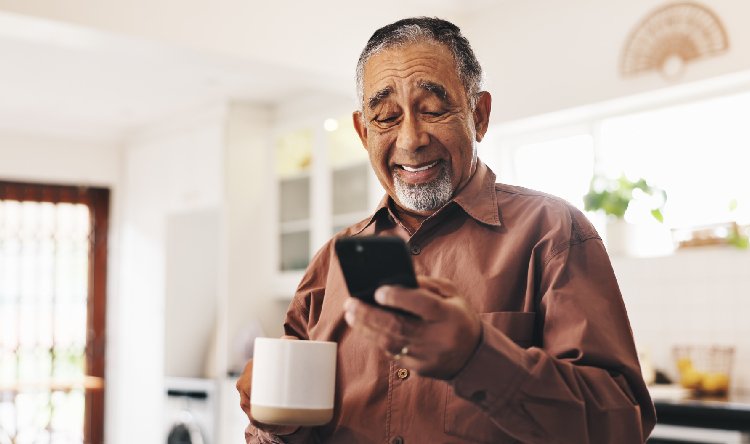
In the modern urban landscape, the life of a single elderly person can often feel like a quiet island in a fast-moving sea. With the rise of nuclear families and children moving abroad for work, many seniors in India find themselves managing households alone. However, the digital revolution has provided a powerful tool for companionship and safety: elders and mobile technology. No longer just a luxury, the smartphone has become a lifeline that connects the solo senior to emergency services, grocery deliveries, and, most importantly, human voices. By teaching technology to elders, we are effectively handing them a key to the outside world, allowing them to bypass the physical barriers of age or distance. This digital empowerment is a crucial step in elderly making friends through online communities and local interest groups. At the heart of this transition is the fundamental truth that staying happy = healthy, and a senior who feels connected and capable is far more likely to maintain their physical vitality. This blog explores how a simple handheld device can rewrite the narrative of aging alone in India, turning isolation into a journey of digital discovery.
Table of Contents
- The Growing Reality of Living Alone in Urban India
- How Elders and Mobile Technology Act as a Digital Lifeline
- Overcoming the Challenges of the Life of a Single Elderly
- The Power of Teaching Technology to Elders for Independence
- Elderly Making Friends in the Age of Social Media
- Why Staying Happy Equals Better Health Outcomes
- Elder Special: Your Companion in the Digital Age
- Conclusion: Embracing the Future with Confidence
The Growing Reality of Living Alone in Urban India
The demographic shift in India has led to a significant increase in the number of seniors living independently. Whether by choice or circumstance, the life of a single elderly individual in a bustling city like Mumbai or Bangalore can be daunting without a proper support system. The silence of a large home is often the biggest challenge, leading to a sense of “social hunger” that can impact mental clarity. Recognizing this trend is the first step toward building communities that cater specifically to the needs of solo-living seniors.
How Elders and Mobile Technology Act as a Digital Lifeline
For a senior living alone, elders and mobile technology provide more than just entertainment; they provide security. Features like SOS buttons, location sharing, and instant video calls ensure that help is only a tap away. Furthermore, the ability to manage banking, utility bills, and healthcare appointments from a screen reduces the physical strain of commuting. This technology serves as a 24/7 companion, filling the gaps that appear when living away from the traditional Indian family system.
Overcoming the Challenges of the Life of a Single Elderly
Isolation is the primary enemy of the life of a single elderly person, but it can be defeated with the right tools. When a senior masters a smartphone, they can join virtual hobby clubs, participate in online satsangs, or watch live streams of community events. This constant stream of engagement prevents the cognitive stagnation that often comes with solitude. By staying mentally active through digital interactions, seniors can maintain their sharp wit and zest for life.
The Power of Teaching Technology to Elders for Independence
The transition from dependency to autonomy starts with teaching technology to elders in a patient and respectful manner. Many seniors feel a sense of “tech-shame” when they cannot figure out an app, but with proper guidance, this quickly turns into a sense of triumph. Learning to use apps for medicine reminders or booking a cab gives them the freedom to move and live on their own terms. Independence is the greatest gift we can offer to the aging population in 2026.
Elderly Making Friends in the Age of Social Media
One of the most heartening trends is the phenomenon of elderly making friends through digital platforms. WhatsApp groups for morning walks, Facebook communities for retirees, and specialized senior apps allow people to meet peers they would never have encountered otherwise. These digital “hellos” often translate into real-world tea meets and elder meetups, breaking the cycle of loneliness. The smartphone is the modern-day town square where stories are shared and new bonds are forged.
Why Staying Happy Equals Better Health Outcomes
Medical science continues to emphasize that staying happy = healthy, particularly for those living in nuclear families. Positive social interactions, even those held over a video call, release oxytocin and dopamine, which lower blood pressure and improve heart health. For a single senior, the joy of a shared joke or a digital photo of a grandchild can be as beneficial as a daily vitamin. Maintaining an optimistic and connected mindset is a vital component of longevity and disease prevention.
Elder Special: Redefining Life for the Solo Senior
The ELDER SPECIAL Group is dedicated to ensuring that no senior feels truly alone, regardless of their living situation. We specialize in creating a “surround-sound” support system that combines human touch with technological efficiency. Our programs are designed to uplift the life of a single elderly individual by providing them with a community that feels like family. We believe that aging is a privilege, and we are here to make it a vibrant, connected, and joyful experience.
Our Unique Services and USPs
Elder Special offers a range of services tailored for independent living, including a 24/7 digital helpdesk and specialized workshops for teaching technology to elders. Our USPs include our curated elder meetups that specifically welcome solo seniors and our “Digital Buddy” program for personalized tech assistance. We focus on bridging the gap between elders and mobile technology to ensure total safety and social inclusion. By joining us, you gain access to a network where your independence is supported and your social life is celebrated.
FAQs
What are the most essential apps for a senior living alone in India?
For a senior living independently, the most essential apps include reliable communication tools like WhatsApp for video calls and emergency messaging. Healthcare apps that offer home delivery of medicines and 24/7 doctor consultations are also vital for managing health without traveling. Grocery and food delivery apps ensure that daily necessities are always available, even on days when the senior feels physically tired. Additionally, digital payment apps allow for seamless utility bill payments, reducing the need to stand in long queues. Finally, an SOS or personal safety app can provide immense peace of mind for both the senior and their distant family members.
How can a senior overcome the fear of clicking the "wrong button"?
The fear of making a mistake is common, but it can be eased by understanding that modern smartphones are designed to be “undo-friendly.” Taking a structured class or having a patient family member explain the basics can help build the confidence that the device will not break from a simple touch. It is helpful to practice on a few “safe” apps first, like the camera or the gallery, where there is no risk of accidental spending or data loss. Creating a simple “cheat sheet” with icons and their functions can also serve as a helpful reference. Remember, every tech expert was once a beginner who wasn’t afraid to explore.
Are there online communities specifically for Indian seniors?
Yes, there are several thriving online communities in India that cater specifically to the interests and cultural nuances of the elderly population. Many of these groups focus on spiritual discourses, traditional cooking, or retirement planning, providing a space where seniors feel understood and respected. Social media platforms also host numerous regional language groups that allow seniors to communicate in their mother tongue. These communities often organize “virtual tea meets” and webinars on topics like health, finance, and philosophy. Joining such groups is an excellent way to start the journey of meeting new people from the safety of home.
How often should a single senior use video calls to stay connected?
While there is no fixed schedule, a daily “check-in” video call can significantly boost the mood of a senior living alone. Seeing a familiar face provides a much stronger emotional connection than a voice-only call, as it allows for the exchange of visual cues and smiles. Scheduling these calls during potentially lonely times, such as evening tea or Sunday mornings, can give the senior something to look forward to. It is also important to encourage “unplanned” calls just to share a small thought or a photo, making the technology feel like a natural part of the relationship. Quality of interaction is always more important than the duration of the call.
What can children do to help their parents become tech-savvy from a distance?
Children can help by gifting senior-friendly devices with large screens and pre-installing the most important apps before sending them. Setting up remote-access software can allow the child to “take over” the screen from another city to fix any issues or demonstrate how a new app works. Sending short, recorded video tutorials on how to perform specific tasks can also be a great way for the senior to learn at their own pace. Encouraging the parent to join a local tech-literacy group or an elder meetup can provide them with peer support that makes learning more fun. Regular encouragement and celebrating their digital milestones are the best ways to keep them motivated.