
Synopsis
The traditional social fabric of the Indian family system is witnessing a paradigm shift as we move deeper into 2026. For decades, the emotional and recreational lives of seniors were centered almost entirely within the home, often leading to elders depending on kids for every spark of joy or weekend plan. However, as urban life becomes faster and nuclear families become the norm, this total reliance on the younger generation is proving to be a strain on both age groups. A shift toward “social autonomy” is now necessary for the mental health of the senior and the harmony of the household. By teaching technology to elders, we empower them to curate their own entertainment, from streaming their favorite classics to joining global hobby groups. This newfound independence is the first step toward elderly making friends outside the family circle, which significantly reduces the “social pressure” on their children. The core truth remains that staying happy = healthy, and a senior who leads a self-sufficient, socially active life is far more resilient. This blog explores how breaking the cycle of dependency leads to a more balanced and respectful relationship between generations.
Table of Contents
- The Psychological Trap of Recreational Dependency
- Why Elders Depending on Kids for Entertainment Must Change
- Reimagining the Indian Family System for Social Autonomy
- Teaching Technology to Elders as a Gateway to Fun
- How Elder Meetups Foster Independent Social Lives
- The Health Benefits of Staying Happy and Self-Reliant
- Elder Special: Promoting the Power of Choice
- Our Unique Services and USPs
The Psychological Trap of Recreational Dependency
In many Indian households, the retirement phase is often viewed as a time to “settle down,” which unintentionally leads to a shrinking social world. When the home becomes the only venue for entertainment, seniors often find themselves waiting for their children to return from work to start their “real” day. This dependency creates a psychological trap where the senior’s mood is entirely dictated by the availability of the younger generation. Breaking this cycle is essential to prevent feelings of resentment or neglect that can arise when busy nuclear families cannot meet these high social demands.
Why Elders Depending on Kids for Entertainment Must Change
We must address why elders depending on kids for entertainment can be detrimental to the family dynamic. When a child feels they are the sole source of their parent’s happiness, it can lead to “caregiver burnout,” even if the care is purely social. For the senior, it limits their growth and prevents them from exploring new world learnings that their peers are enjoying. Transitioning to a model of independent leisure allows the senior to bring new stories and experiences to the dinner table, making interactions more dynamic and less about “filling a void.”
Reimagining the Indian Family System for Social Autonomy
The modern Indian family system is evolving to value quality of time over quantity of time. While the emotional bond remains sacred, the structure of daily life in nuclear families demands that every member has their own social ecosystem. Encouraging seniors to have “their own thing”—whether it is a park group, a temple circle, or a digital club—strengthens the family bond. It creates a relationship of equals where everyone respects each other’s time and social needs, leading to a much more peaceful and fulfilling co-existence.
Teaching Technology to Elders as a Gateway to Fun
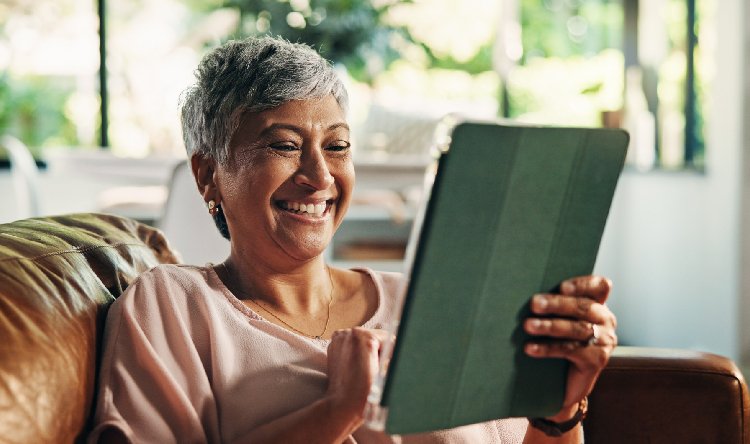
The most effective tool for breaking dependency is digital literacy, which is why teaching technology to elders is a top priority for modern wellness. Once a senior masters elders and mobile technology, they have an infinite library of entertainment at their fingertips—from old Bollywood movies on YouTube to live classical music concerts. They can participate in online forums, play brain games, and even learn new skills like digital photography. Technology provides the autonomy to be entertained at any hour of the day, regardless of who else is in the house.
How Elder Meetups Foster Independent Social Lives
An elderly meetup is the perfect antidote to the “waiting-at-home” syndrome. These gatherings provide a dedicated space for elderly making friends who share similar life contexts and tastes in entertainment. Instead of being a passive recipient of a child’s weekend plan, the senior becomes an active participant in their own social calendar. Whether it is a group trip to a local monument or a simple tea-and-talk session, these meetups provide a sense of agency that is vital for maintaining self-esteem in the later years of life.
The Health Benefits of Staying Happy and Self-Reliant
Science has repeatedly proven that staying happy = healthy, but this happiness is most effective when it is self-generated. Seniors who are socially independent show lower levels of stress-induced inflammation and better cognitive scores. Being self-reliant for one’s social needs prevents the “loneliness spikes” that can occur when family members are busy or traveling. A senior who knows how to keep themselves engaged is a senior who is mentally agile, emotionally stable, and physically more energetic.
Elder Special: Promoting the Power of Choice
The ELDER SPECIAL Group is dedicated to moving seniors from a life of dependency to a life of vibrant choice. We don’t just organize events; we provide the “social tools” that allow seniors to take charge of their own happiness. Our brand is a champion of the independent Indian senior who is tech-savvy, socially active, and emotionally fulfilled. We believe that the best way to honor our elders is to provide them with a platform where they can rediscover their passions and build their own social legacies.
Our Unique Services and USPs
Elder Special offers a specialized “Independence Toolkit” for seniors, including one-on-one sessions for teaching technology to elders and access to exclusive elderly meetup clubs. Our USPs include our social healthcare event calendar that runs daily, ensuring there is always something to do, and our “Social Buddy” system for new members. We focus on bridging the gap in nuclear families by providing the external social support that seniors need. By joining us, you are investing in a lifestyle where you are the master of your own joy.
FAQs
Why do some elders feel guilty about pursuing their own entertainment?
Normal age-related forgetfulness might involve occasionally forgetting where you placed your keys or forgetting the name of an acquaintance but remembering it later. In contrast, a more serious memory condition involves forgetting recently learned information, asking the same question repeatedly, or getting lost in familiar places. Significant changes in judgment, such as being unable to manage finances that were once easy to handle, are also warning signs. If these lapses begin to interfere with daily life or personal safety, it is essential to seek a professional medical evaluation. Early diagnosis allows for better planning and more effective management strategies.
How can a busy child encourage a parent to be more independent?
A diet rich in antioxidants, omega-3 fatty acids, and leafy green vegetables is highly beneficial for brain health as it reduces oxidative stress and inflammation in the neural pathways. The “MIND” diet, which combines elements of the Mediterranean and DASH diets, has been specifically linked to a lower risk of cognitive decline. Reducing the intake of processed sugars and saturated fats is also crucial, as high blood sugar can negatively impact the brain’s cognitive functions. Staying hydrated is equally important, as even mild dehydration can cause confusion and memory issues in the elderly. A balanced, nutrient-dense diet is a foundational component of comprehensive memory care.
Are there any specific entertainment apps that are senior-friendly?
The best brain games are those that challenge multiple cognitive domains, such as memory, attention, and executive function. Games like Sudoku and crosswords are excellent for logic and word recall, while strategy games like Chess or Bridge require planning and foresight. Digital apps specifically designed for “brain training” can offer a personalized experience that scales in difficulty as the senior improves. However, even “non-game” activities like learning a new language or a musical instrument are incredibly effective at building cognitive reserve. The key is to keep the activities varied and consistently challenging to ensure the brain remains adaptable.
How does social independence affect the mental health of seniors?
As people age, their body’s natural “thirst signal” becomes less sensitive, meaning they may not feel thirsty even when their body needs water. Dehydration can lead to a decrease in blood volume, which reduces the amount of oxygen and glucose reaching the brain, resulting in confusion, dizziness, and short-term memory loss. In many cases, what appears to be a sudden onset of dementia in a senior is actually a result of severe dehydration. Ensuring that seniors drink small amounts of water consistently throughout the day is a simple but vital part of memory care. Monitoring for signs like dark urine or dry mouth can help caregivers intervene before cognitive symptoms occur.
Can children and parents still have shared entertainment if the parent is independent?
Starting a conversation about memory care should be done with extreme empathy and in a non-confrontational manner, preferably when everyone is calm and relaxed. Frame the discussion around “health optimization” and “maintaining independence” rather than focusing on “loss” or “deficits.” You might start by sharing a general observation, such as, “I noticed you’ve been struggling with the grocery list lately, maybe we can look into some fun apps to help?” Involving a trusted family doctor in the conversation can also provide a neutral, professional perspective that the senior may be more willing to accept. The goal is to make the senior feel like they are a partner in their own care journey.