
Synopsis
The challenge of cognitive aging is becoming a focal point of domestic discourse in 2026, especially as families seek to understand the nuances of elders and memory care in a rapidly changing society. In the traditional Indian family system, memory loss was frequently misinterpreted as a natural, albeit difficult, part of growing old, but modern science demands a more proactive approach. As more households transition into nuclear families, the responsibility of monitoring cognitive health often falls on distant children or solo-living spouses, making the detection of early symptoms more complex. By teaching technology to elders, families can introduce cognitive stimulation tools and reminders that assist in maintaining mental agility. Furthermore, encouraging participation in an elderly meetup provides the necessary social engagement that acts as a protective factor for brain health. It is fundamentally understood that staying happy = healthy, as a positive emotional state reduces the neural inflammation associated with cognitive decline. This blog provides essential strategies for Indian families to manage memory health with dignity, compassion, and the latest in social healthcare innovations.
Table of Contents
- The New Frontier of Cognitive Health in India
- Understanding the Importance of Elders and Memory Care
- Memory Challenges Within the Modern Indian Family System
- Teaching Technology to Elders for Brain Fitness
- Why Social Interaction at an Elderly Meetup Slows Decline
- Navigating Nuclear Families While Managing Memory Loss
- Elder Special: Pioneers in Social Cognitive Support
- Our Unique Services and USPs
The New Frontier of Cognitive Health in India
As life expectancy in India increases, the focus of senior care is shifting from purely physical longevity to the preservation of mental clarity. Cognitive wellness is the foundation upon which all other aspects of senior life are built, yet it remains one of the least discussed topics in many households. Understanding that memory care is a spectrum—ranging from occasional forgetfulness to chronic conditions—is vital for early intervention. In 2026, families are moving away from stigma and toward a model of “Brain First” care.
Understanding the Importance of Elders and Memory Care
Effective elders and memory care involve a combination of medical oversight, nutritional support, and intense social stimulation. The brain, much like a muscle, requires consistent exercise to remain functional, and for seniors, this exercise comes in the form of conversation, problem-solving, and learning. Specialized memory care focuses on creating an environment that is both safe and stimulating, reducing the anxiety that often accompanies memory lapses. By prioritizing cognitive health early, families can significantly enhance the quality of life for their aging loved ones.
Memory Challenges Within the Modern Indian Family System
The Indian family system is currently in a state of flux, and this transition creates unique hurdles for memory monitoring. In traditional joint families, subtle changes in an elder’s behavior were easily noticed by multiple members, but today’s busy households often miss these early cues. There is a pressing need for “Memory Literacy” among family members to distinguish between normal age-related changes and more serious conditions. Open communication about these challenges is the first step toward building a supportive home environment.
Teaching Technology to Elders for Brain Fitness
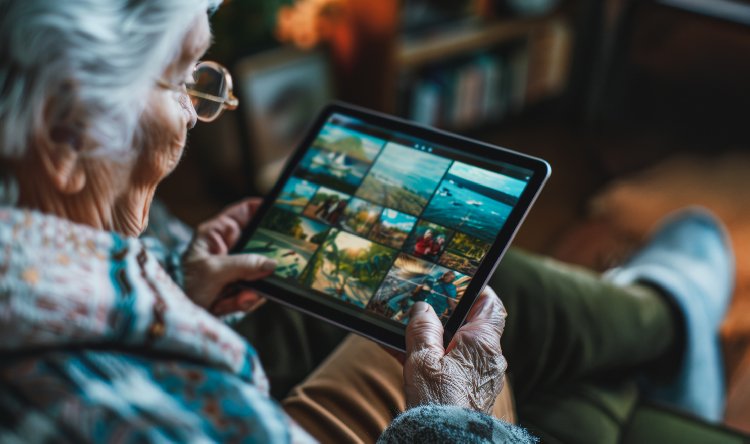
Digital tools have become the new frontier in cognitive therapy, making teaching technology to elders an essential daily practice. Apps designed for memory training, digital crosswords, and interactive storytelling can help maintain neural plasticity. When families encourage elders and mobile technology usage, they are providing a portal to infinite learning and mental engagement. These digital “workouts” keep the prefrontal cortex active, helping to delay the onset of symptoms and providing a sense of modern accomplishment.
Why Social Interaction at an Elderly Meetup Slows Decline
The “Social Brain” hypothesis suggests that human interaction is one of the most complex tasks our brain performs, making an elderly meetup a vital therapeutic tool. At these gatherings, seniors must navigate social cues, recall names, and participate in spontaneous dialogue, all of which strengthen cognitive reserves. For those living in nuclear families, these meetups provide the high-level social “exercise” that is often missing from their daily routine. Laughter and group bonding during these events also release neuroprotective hormones.
Navigating Nuclear Families While Managing Memory Loss
For seniors living in nuclear families, memory management requires a balance of independence and discreet supervision. Technology, such as smart medication dispensers and GPS-enabled devices, allows seniors to live safely while maintaining their autonomy. It is also important for distant children to schedule regular “cognitive check-ins” via video calls to assess their parent’s mental state. Creating a “community of care” that involves neighbors and local friends can provide the extra eyes needed when family is not physically present.
Elder Special: Pioneers in Social Cognitive Support
The ELDER SPECIAL Group is dedicated to providing a holistic environment where memory health is nurtured through community and joy. We believe that staying happy = healthy is particularly true for cognitive wellness, and our programs are designed to keep the spirit bright and the mind engaged. Our brand serves as a bridge for families who need professional guidance in navigating the complexities of memory care. We provide the social infrastructure that keeps seniors connected, respected, and cognitively active.
Our Unique Services and USPs
Elder Special offers specialized services such as “Memory Cafés” and brain-health workshops integrated into our elderly meetup schedule. Our USPs include our customized training modules for teaching technology to elders and our 24/7 engagement platform for cognitive stimulation. We provide a social healthcare event calendar that specifically highlights memory-friendly activities and social bonding exercises. By choosing us, you are ensuring that your loved ones have the best chance at a sharp, joyful, and connected future.
FAQs
What is the difference between normal forgetfulness and a memory condition?
Normal age-related forgetfulness might involve occasionally forgetting where you placed your keys or forgetting the name of an acquaintance but remembering it later. In contrast, a more serious memory condition involves forgetting recently learned information, asking the same question repeatedly, or getting lost in familiar places. Significant changes in judgment, such as being unable to manage finances that were once easy to handle, are also warning signs. If these lapses begin to interfere with daily life or personal safety, it is essential to seek a professional medical evaluation. Early diagnosis allows for better planning and more effective management strategies.
How can diet affect memory health in seniors?
A diet rich in antioxidants, omega-3 fatty acids, and leafy green vegetables is highly beneficial for brain health as it reduces oxidative stress and inflammation in the neural pathways. The “MIND” diet, which combines elements of the Mediterranean and DASH diets, has been specifically linked to a lower risk of cognitive decline. Reducing the intake of processed sugars and saturated fats is also crucial, as high blood sugar can negatively impact the brain’s cognitive functions. Staying hydrated is equally important, as even mild dehydration can cause confusion and memory issues in the elderly. A balanced, nutrient-dense diet is a foundational component of comprehensive memory care.
Are there specific brain games that are best for seniors?
The best brain games are those that challenge multiple cognitive domains, such as memory, attention, and executive function. Games like Sudoku and crosswords are excellent for logic and word recall, while strategy games like Chess or Bridge require planning and foresight. Digital apps specifically designed for “brain training” can offer a personalized experience that scales in difficulty as the senior improves. However, even “non-game” activities like learning a new language or a musical instrument are incredibly effective at building cognitive reserve. The key is to keep the activities varied and consistently challenging to ensure the brain remains adaptable.
Why is hydration often linked to memory issues in the elderly?
As people age, their body’s natural “thirst signal” becomes less sensitive, meaning they may not feel thirsty even when their body needs water. Dehydration can lead to a decrease in blood volume, which reduces the amount of oxygen and glucose reaching the brain, resulting in confusion, dizziness, and short-term memory loss. In many cases, what appears to be a sudden onset of dementia in a senior is actually a result of severe dehydration. Ensuring that seniors drink small amounts of water consistently throughout the day is a simple but vital part of memory care. Monitoring for signs like dark urine or dry mouth can help caregivers intervene before cognitive symptoms occur.
How can a family start a conversation about memory care?
Starting a conversation about memory care should be done with extreme empathy and in a non-confrontational manner, preferably when everyone is calm and relaxed. Frame the discussion around “health optimization” and “maintaining independence” rather than focusing on “loss” or “deficits.” You might start by sharing a general observation, such as, “I noticed you’ve been struggling with the grocery list lately, maybe we can look into some fun apps to help?” Involving a trusted family doctor in the conversation can also provide a neutral, professional perspective that the senior may be more willing to accept. The goal is to make the senior feel like they are a partner in their own care journey.