
Synopsis
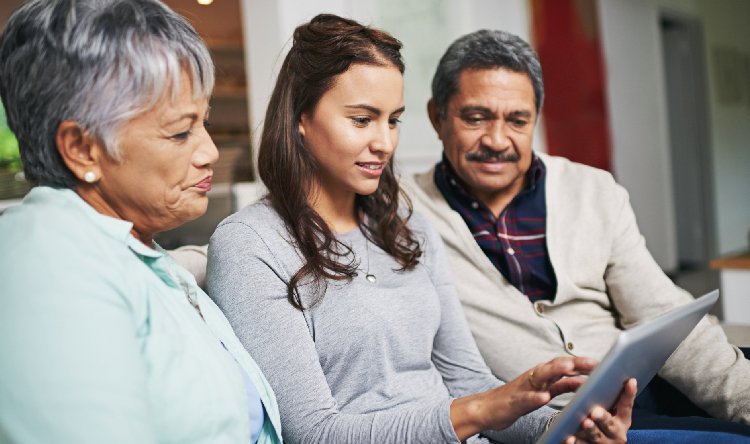
As India moves toward 2026, the intersection of technology and aging has moved from a convenience to a cornerstone of social policy. The question of how we maintain the dignity of our seniors is increasingly answered by teaching technology to elders to bridge the digital divide. In our rapidly evolving landscape, elders and mobile technology act as a critical thread, keeping families connected across geographical barriers. This is particularly poignant for those residing in nuclear families, where the lack of physical proximity can lead to severe isolation. By providing digital literacy, we move away from a model of elders depending on kids for every minor transaction, instead fostering a culture of silver independence. This autonomy is a vital driver for elderly making friends in virtual and physical spaces, creating a robust support network. Ultimately, the integration of technology ensures that for every senior in India, staying happy = healthy. This blog examines why digital inclusion is a national necessity and how it secures the future of our aging population.
Table of Contents
- The Digital Imperative for India’s Aging Population
- Why Teaching Technology to Elders is a National Priority
- Overcoming the Dependency Trap in Nuclear Families
- The Role of Elders and Mobile Technology in Safety
- Digital Literacy as a Catalyst for Elderly Making Friends
- Why Staying Happy Equals Resilience in the Digital Age
- Elder Special: Pioneering the Tech-Enabled Future for Seniors
- Our Unique Services and USPs
The Digital Imperative for India’s Aging Population
By 2026, India’s senior population is expected to grow significantly, yet a large percentage remains wary of the very tools designed to help them. In a world where banking, healthcare, and social connectivity are digital-first, a senior without tech skills is effectively marginalized. This makes the mission of digital education not just a family concern, but a matter of national importance. Ensuring that our elders can navigate a smartphone is the first step toward preserving their role as active, respected citizens in a modern India.
Why Teaching Technology to Elders is a National Priority
When we talk about teaching technology to elders, we are discussing the preservation of a generation’s independence. Data from 2025 reveals that over 66% of Indian seniors still find modern technology confusing, yet those who push through this frustration show significantly higher cognitive ability. By prioritizing digital training, we reduce the burden on public resources and empower seniors to manage their own lives. A tech-literate senior can access government services, pay utility bills, and manage their health from home, reducing the physical strain of standing in queues.
Overcoming the Dependency Trap in Nuclear Families
The rise of nuclear families has created a situation where seniors often feel like a “task” on their children’s busy to-do lists. This leads to elders depending on kids for basic digital needs, which can strain familial bonds and cause “tech-resentment.” By empowering seniors to book their own cabs or order groceries, we restore their sense of agency. This shift transforms the parent-child relationship from one of logistical dependency to one of emotional companionship, which is much more fulfilling for both generations.
The Role of Elders and Mobile Technology in Safety
Safety is the primary driver of tech adoption for the elderly, making elders and mobile technology a life-saving combination. Modern apps now feature one-touch SOS buttons, medication reminders, and GPS trackers that provide peace of mind to both the senior and their distant children. For a senior living alone, a voice-activated assistant can call for help in case of a fall, acting as a 24/7 guardian. Technology doesn’t just provide entertainment; it provides a digital safety net that allows seniors to live without fear in an urban setting.
Digital Literacy as a Catalyst for Elderly Making Friends
One of the most profound benefits of tech mastery is the ability for elderly making friends across digital platforms. Social media and community apps have become the new “neighborhood parks” where seniors can find peers with similar interests. These digital connections frequently translate into real-world meetups, coffee dates, and hobby groups. Technology breaks the walls of the home, allowing the senior to build a social circle that is not limited by their physical mobility or immediate neighborhood.
Why Staying Happy Equals Resilience in the Digital Age
Medical research in 2026 has confirmed that staying happy = healthy because social and mental engagement triggers neuroprotective hormones. The “Aha!” moment of successfully sending an email or completing a digital payment releases dopamine, which improves cognitive focus and mood. Seniors who are digitally active report lower levels of loneliness and a higher sense of life satisfaction. This mental resilience acts as a buffer against physical decline, proving that a connected mind is a healthier, more durable body.
Elder Special: Pioneering the Tech-Enabled Future for Seniors
The ELDER SPECIAL Group is committed to a future where no Indian senior is left behind by the digital revolution. We understand that technology is the ultimate tool for active aging and social inclusion. Our brand serves as a bridge, providing the patient, senior-friendly training that allows our members to master the digital world at their own pace. We believe that by looking after our elders’ digital health, we are ensuring they live a life of total independence and joy in a modern India.
Our Unique Services and USPs
Elder Special offers a comprehensive “Digital Empowerment Suite,” featuring specialized sessions on teaching technology to elders and safety training for elders and mobile technology. Our USPs include our integrated social healthcare event calendar and our vibrant elderly making friends ecosystem that spans both virtual and physical worlds. We provide 24/7 tech support for our members and facilitate intergenerational meets that encourage youth to act as digital guides. By joining us, you are stepping into a future where age is just a number and connectivity is a way of life.
FAQs
Why is digital literacy considered a "national necessity" for seniors?
Digital literacy is a national necessity because it ensures that a significant portion of the population remains socially and economically active, rather than becoming marginalized. In 2026, most government services, banking, and healthcare in India have transitioned to digital platforms, and seniors without these skills face significant hurdles in daily life. Empowering seniors with technology reduces the burden on social infrastructure and allows them to contribute to the digital economy. It also helps in maintaining their mental and emotional health, which indirectly reduces the national expenditure on geriatric healthcare. Ultimately, an inclusive digital society is a more stable and progressive society.
How can a senior overcome the fear of "breaking" a device?
The fear of damaging a device is a common barrier, but it can be overcome by understanding that modern smartphones and tablets are designed with significant “undo” features and safety locks. Teaching technology to elders often starts with explaining that software cannot be physically “broken” by clicking buttons. Using “Senior Mode” settings that simplify the interface and lock certain system settings can also provide a safe environment for exploration. Consistent practice with a patient guide helps build muscle memory and reduces the anxiety of making mistakes. Once a senior realizes that the device is a tool for their convenience, the fear is replaced by curiosity.
What are the best ways to teach technology to someone who is resistant?
The most successful way to teach a resistant senior is to focus on a “high-value” task that brings immediate joy, such as showing them how to see photos of their grandchildren or listen to old music. Instead of teaching “how a phone works,” focus on “how to see your family,” which provides an emotional motivation to learn. Keeping sessions short, frequent, and free of technical jargon prevents the senior from feeling overwhelmed. Celebrating small successes, like sending their first WhatsApp message, builds the confidence needed to tackle more complex tasks. Patience and positive reinforcement are the most effective teaching tools.
How does tech independence affect the parent-child relationship?
Tech independence fundamentally changes the power dynamic in nuclear families, moving it away from a parent being a “burden” to being an “independent equal.” When a parent can manage their own digital life, the time they spend with their children becomes about quality emotional connection rather than logistical troubleshooting. It reduces the stress on adult children who may be managing their own global careers and families. This autonomy gives the senior a sense of pride and allows them to share “new world learnings” with their children, making conversations more balanced and interesting. It strengthens the family bond through mutual respect and shared competence.
Can technology help in detecting early signs of health issues?
Yes, technology plays a vital role in health monitoring through wearable devices that track heart rate, sleep patterns, and physical activity levels. By teaching technology to elders, we allow them to use health dashboards that can flag unusual spikes in blood pressure or irregularities in heart rhythm. Many apps now use AI to analyze patterns and alert both the senior and their doctor if a potential health issue is emerging. This “proactive monitoring” is essential for elders unknown of their chronic conditions, as it brings silent issues to the surface. Technology acts as a preventive tool that ensures better medical outcomes and a longer, healthier life.