
Synopsis
Elders access to healthcare in India remains a critical concern as the ageing population grows. Many senior citizens face mobility challenges, financial constraints, and limited awareness of available services. Without regular check-ups, medication management, and timely interventions, chronic conditions worsen—reducing quality of life. Yet, community-driven elder care events, elder weekly meets, and health camps for elders can bridge these gaps by bringing medical support directly to seniors’ neighbourhoods.
This blog examines the barriers preventing elders from accessing healthcare: distance to clinics, lack of social support, sensory impairments in elders, and medication management for elderly patients. Drawing inspiration from mobile health vans in rural Kerala and “doctor-on-wheels” initiatives in Tamil Nadu, we explore how local solutions can be scaled nationwide. Elder care companies and active senior groups also play a pivotal role by organising elder inter generational events that include brief health screenings and medication counselling.
Elder Special’s approach integrates “Healthcare Corners” into its elder weekly meets, offering basic screenings, nurse consultations, and referrals in a familiar, supportive environment. By combining empathetic design with practical resources—like transport arrangements and large-print health guides—Elder Special ensures that no senior is left behind. Through structured, community-based interventions, we can transform elders access to healthcare, ensuring dignified, affordable, and consistent support in every neighbourhood.
Table of Contents
- Defining Elders Access to Healthcare in India
- Why Access Remains a Challenge
- Consequences of Limited Healthcare Access
- Common Barriers for Senior Citizens
- Mobility and Transport Issues
- Financial Constraints and Insurance Gaps
- Sensory Impairments in Elders
- Community-Driven Solutions
- Mobile Health Vans and Doctor-on-Wheels Initiatives
- Health Camps for Elders in Local Halls
- Role of Elder Care Events and Active Senior Groups
- Integrating “Healthcare Corners” in Elder Weekly Meets
- Peer-Led Medication Management for Elderly
- Intergenerational Events as Health Outreach
- Family Involvement in Health Education
- Practical Tools for Better Healthcare Access
- Large-Print Health Guides and Checklists
- Simple Telemedicine and Digital Reminders
- How Elder Special Empowers Neighborhood Health
- Empathy-First Design and Accessibility
- How Elder Special Builds Community
- Empathy-First Event Design
- Monitoring and Ongoing Support
- Conclusion: Toward an Inclusive, Connected Future
Defining Elders Access to Healthcare in India
Elders access to healthcare in India encompasses seniors’ ability to reach, afford, and utilise medical services when needed. Despite improved infrastructure, many seniors still face barriers: remote villages lack clinics, while city hospitals are overcrowded. Primary care often remains out of reach for those with limited mobility, making routine check-ups sporadic and incomplete. Lack of timely care can exacerbate chronic conditions—like diabetes, hypertension, and arthritis—leading to higher morbidity.
Why Access Remains a Challenge
Distance to healthcare facilities, coupled with poor public transport, impedes elders’ ability to attend appointments. Limited digital literacy and economic insecurity prevent them from exploring telemedicine options or private clinics. Many seniors also underestimate the importance of preventive care until health crises arise, resulting in delayed diagnoses.
Consequences of Limited Healthcare Access
When seniors miss regular screenings, early warning signs—such as high blood pressure or impaired vision—go undetected. This neglect can lead to emergencies: strokes, diabetic complications, or falls due to untreated cataracts. Families bear the emotional and financial strain of hospitalisations that could have been prevented with routine care.
Common Barriers for Senior Citizens
With younger generations moving for work, joint families are breaking apart. In urban areas, seniors often live alone or with only a spouse, lacking daily visits from children or grandchildren. Cultural shifts toward nuclear families leave many elders without the traditional support network they once relied on.
Consequences on Mental and Physical Health
When seniors miss regular screenings, early warning signs—such as high blood pressure or impaired vision—go undetected. This neglect can lead to emergencies: strokes, diabetic complications, or falls due to untreated cataracts. Families bear the emotional and financial strain of hospitalisations that could have been prevented with routine care.
Common Barriers for Senior Citizens
Mobility and Transport Issues
Many seniors live in multi-storey homes without elevators or on upper floors of crowded buildings. Navigating uneven roads or waiting for rare bus services becomes daunting for those with joint pain or vision impairment. Even short distances to community clinics can be insurmountable hurdles, resulting in skipped appointments.
Financial Constraints and Insurance Gaps
Out-of-pocket medical expenses remain high for seniors, especially for specialist consultations and diagnostic tests. Government insurance schemes often have limited coverage, excluding many essential medications for chronic conditions. Without sufficient funds, seniors may prioritise basic needs—food and utilities—over preventive healthcare.
Sensory Impairments in Elders
With age, sensory impairments—diminished vision or hearing—make it difficult to navigate hospital environments, read prescription labels, or communicate symptoms. Signage may be in small print, and medical staff may not always speak local dialects, further complicating access. Large-print guides and patient-friendly communication are essential but often lacking.
Community-Driven Solutions
Mobile Health Vans and Doctor-on-Wheels Initiatives
In Kerala, mobile health vans travel to remote villages on set schedules—offering blood tests, primary care consultations, and vaccinations. Tamil Nadu’s “doctor-on-wheels” initiatives dispatch pediatricians and geriatric specialists to underserved areas. These programs bring critical services to elders’ doorsteps, reducing travel burdens and encouraging preventive check-ups.
Health Camps for Elders in Local Halls
Organising health camps for elders at community halls, temples, or senior centres provides a central, familiar location. These camps offer free screenings—blood pressure checks, diabetic foot exams, and eye tests—alongside brief educational talks on medication management for elderly patients. Seniors receive tailored advice and referrals to nearby clinics, promoting continuity of care.
Role of Elder Care Events and Active Senior Groups
Integrating “Healthcare Corners” in Elder Weekly Meets
Active senior groups and elder weekly meets can incorporate a “Healthcare Corner”—a dedicated space where a nurse or volunteer measures vitals and offers basic advice. During elder care events, this corner becomes a mini-clinic, providing timely screenings and medication counselling. Familiar surroundings and peer presence reduce anxiety, encouraging seniors to engage in preventive check-ups.
Peer-Led Medication Management for Elderly
Within elder groups, trained seniors can demonstrate safe medication routines: how to use a large-print pill organizer, read prescription labels, and set digital reminders. Peer mentoring builds trust and normalises discussions about medication management for elderly participants. When seniors learn from peers, adherence improves and caregiver burden for elderly citizens decreases.
Intergenerational Events as Health Outreach
Youth Volunteers Assisting Seniors
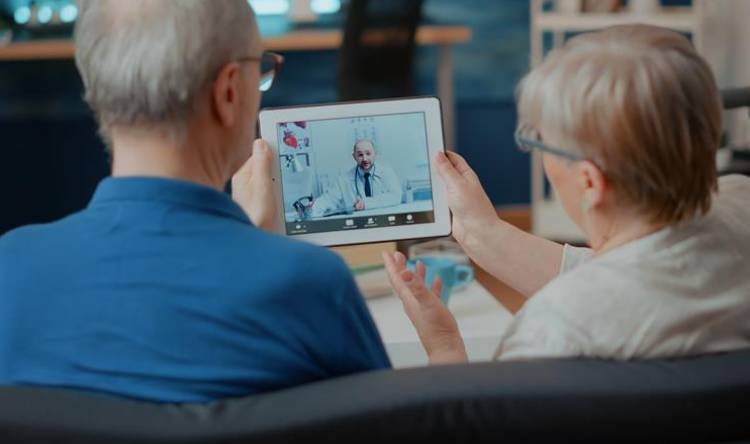
Intergenerational events pair tech-savvy youth with seniors to facilitate telemedicine appointments and digital tracking of health metrics. Younger volunteers help set up video calls with doctors, explain health apps, and assist with digital health record creation. This collaboration enables elders to access specialist consultations without leaving home.
Family Involvement in Health Education
Involving families—children, grandchildren, and neighbours—in community elder care events fosters collective responsibility. Workshops on managing chronic illnesses encourage family members to learn alongside seniors, creating a supportive environment at home. When everyone understands medication regimens and warning signs, elders receive timely assistance.
Practical Tools for Better Healthcare Access
Large-Print Health Guides and Checklists
Providing seniors with laminated, large-print health guides—listing local clinics, emergency numbers, and medication schedules—empowers them to navigate healthcare independently. Checklists for routine screenings remind them when to schedule visits, reducing missed opportunities for preventive care.
Simple Telemedicine and Digital Reminders
User-friendly telemedicine platforms, with one-click video calls and local-language interfaces, allow seniors to consult doctors remotely. Digital reminders—via basic SMS or voice calls—alert elders to upcoming appointments or medication times. When integrated into elder care events, these tools become familiar, reducing technological anxiety.
How Elder Special Empowers Neighborhood Health
Empathy-First Design and Accessibility
Elder Special holds regular elder weekly meets in neighbourhood halls, ensuring wheelchair ramps and comfortable seating. “Healthcare Corners” staffed by a nurse provide screenings and counseling. Clear signage in local languages helps seniors navigate the space.
Collaborations with Local Clinics and NGOs
Partnering with neighbourhood clinics and NGOs, Elder Special organizes monthly health camps for elders, offering free lab tests and specialist consultations. These collaborations ensure seniors receive referrals and follow-ups, building a continuum of care.
Conclusion: Toward Inclusive Elder Healthcare
Elders access to healthcare in India is not just about clinics; it’s about community. By addressing mobility, financial, and sensory barriers through mobile vans, health camps for elders, and integrated “Healthcare Corners” at elder care events, we can transform senior health outcomes. Active senior groups and intergenerational initiatives further extend support, ensuring elders feel empowered rather than marginalized. With Elder Special’s empathy-first model—combining practical tools, peer mentoring, and collaborative partnerships—we can create neighbourhoods where every senior has dignified, affordable, and consistent healthcare.
FAQs
What are the main barriers to elders access to healthcare in India?
The main barriers include mobility issues—due to joint pain or vision impairment—making travel difficult. Financial constraints and limited insurance coverage prevent many seniors from affording regular check-ups. Sensory impairments, like small-font labels and crowded hospital environments, further hinder access. Finally, lack of awareness about community-based services and telemedicine options leaves many unaware of available resources.
How do health camps for elders help improve healthcare access?
Health camps for elders bring free or low-cost screenings directly to community halls, temples, or accessible centres. Seniors can receive blood tests, eye exams, and basic consultations without traveling long distances. These camps also offer medication counselling, reducing medication management for elderly errors. Familiar surroundings and peer presence encourage participation, ensuring more consistent preventive care.
Why are “Healthcare Corners” at elder care events effective?
“Healthcare Corners” integrate basic medical support—blood pressure checks, glucose monitoring, and nurse consultations—into elder weekly meets. Seniors feel more comfortable receiving care in familiar, friendly settings rather than hospitals. This approach reduces anxiety, fosters trust, and encourages proactive health management. Regular screenings help detect health issues early, improving outcomes and reducing hospital admissions.
How can technology for seniors be used to enhance healthcare access?
Simple telemedicine platforms allow seniors to consult doctors remotely, bypassing travel challenges. Basic smartphone reminders—alerts for medication or upcoming appointments—help elders maintain adherence. Local-language voice prompts and large-text interfaces address sensory impairments. When seniors practice these tools in elder care events, they gain confidence and are more likely to use them regularly.
How do elder care events and active senior groups reduce caregiver burden?
Elder care events provide health screenings and medication counselling, reducing the need for caregivers to transport elders to clinics. Peer-led sessions teach seniors self-management techniques, promoting independence. When seniors manage medication and appointments, caregivers can focus on emotional support rather than logistical tasks. This sharing of responsibility lightens caregiver burden for elderly citizens and fosters a more balanced family dynamic.