
Synopsis
Social isolation and loneliness in elderly populations are silent epidemics affecting India’s ageing society. As children move to cities, joint families shrink, and traditional support systems erode, many seniors face days without meaningful conversation. The emotional toll can manifest as depression, anxiety, cognitive decline, and worsened physical health. Yet, targeted elder care events and active senior groups can reverse this trend by fostering regular social interaction, emotional support, and a renewed sense of purpose.
This blog examines the root causes of social isolation and loneliness in elderly Indians, from mobility challenges to generational gaps in communication. Drawing inspiration from global models—like senior cafés in Sweden and buddy systems in Canada—we highlight how India can adapt these best practices in local contexts. Elder weekly meets, elder kitty groups (themed social-only gatherings), and intergenerational bonding events serve as practical solutions, weaving seniors into the social fabric once more.
Elder Special’s elder care events—featuring health talks, memory-sharing circles, group exercises, and afternoon teas—demonstrate how consistent, culturally relevant engagement restores dignity. By integrating “social clubs” into elder groups, seniors gain mental stimulation, friendship, and resilience. This blog also covers how technology for seniors made easy—like simple video calls—extends community beyond physical gatherings, reducing social isolation. Through empathy-driven initiatives, we can ensure that no elder ages alone in India’s evolving landscape.
Table of Contents
- Defining Social Isolation and Loneliness in Elderly
- Difference Between Isolation and Loneliness
- Root Causes in the Indian Context
- Mobility and Health Constraints
- Changing Family Structures
- Consequences on Mental and Physical Health
- Risks of Depression and Cognitive Decline
- Impact on Physical Well-Being
- Global Models for Elder Social Engagement
- Senior Cafés and Community Centers
- Buddy Systems and Volunteer Networks
- Elder Care Events as Local Solutions
- Structuring Elder Weekly Meets
- Themed Elder Kitty Groups to Inspire Connection
- Role of Intergenerational Bonding
- Shared Learning and Respect
- Event Examples for Families
- Using Technology to Bridge Gaps
- Technology for Seniors Made Easy
- Virtual Social Clubs and Video Calls
- How Elder Special Builds Community
- Empathy-First Event Design
- Monitoring and Ongoing Support
- Conclusion: Toward an Inclusive, Connected Future
Defining Social Isolation and Loneliness in Elderly
Social isolation and loneliness in elderly are related but distinct issues. Isolation refers to the objective state of having few social contacts, while loneliness is the subjective feeling of being alone or unsupported. A senior may live with family yet feel lonely if meaningful interaction is absent. Addressing both requires creating opportunities for regular engagement and genuine emotional connection.
Root Causes in the Indian Context
Mobility and Health Constraints
Many seniors face mobility challenges—arthritis, vision impairment, or chronic illnesses—that limit their ability to leave home. Public transport may not be elderly-friendly, and medical conditions can make travel risky. These practical barriers lead to reduced face-to-face interaction, deepening social isolation.
Changing Family Structures
With younger generations moving for work, joint families are breaking apart. In urban areas, seniors often live alone or with only a spouse, lacking daily visits from children or grandchildren. Cultural shifts toward nuclear families leave many elders without the traditional support network they once relied on.
Consequences on Mental and Physical Health
Risks of Depression and Cognitive Decline
Prolonged loneliness is linked to higher rates of depression, anxiety, and cognitive decline. Without social stimulation—like conversation or shared activities—seniors’ mental faculties may deteriorate faster. This can exacerbate memory issues and reduce quality of life.
Impact on Physical Well-Being
Lonely elders often neglect self-care: skipping exercise, ignoring medical advice, or eating poorly. This leads to weaker immunity, slower recovery from illnesses, and increased risk of chronic conditions. Social engagement encourages healthier habits.
Global Models for Elder Social Engagement
Senior Cafés and Community Centers
In Sweden, senior cafés provide free tea and a weekly gathering space where seniors chat and play board games. These cafés encourage routine socialisation and peer support. India can replicate this concept in local community halls or temple verandas, offering elders a welcoming “grandpa–grandma café.”
Buddy Systems and Volunteer Networks
Canada’s “grandfriend” programs pair seniors with volunteer youth who visit weekly. These visits offer companionship and life skill exchanges. Similarly, India’s villages can organise youth volunteers to check in on isolated elders, fostering cross-generational respect and empathy.
Elder Care Events as Local Solutions
Structuring Elder Weekly Meets
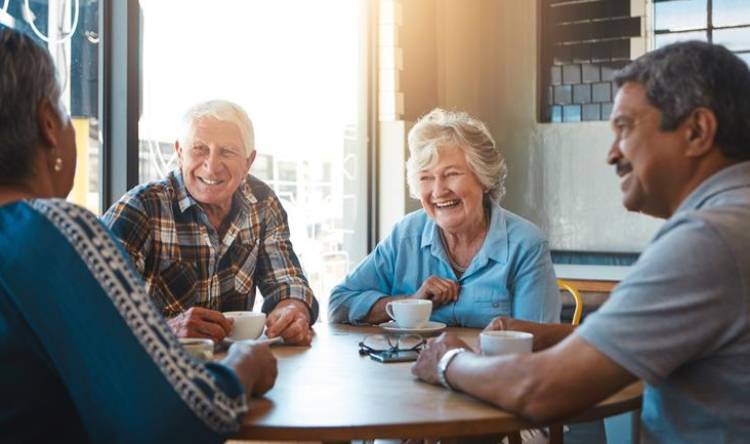
Elder weekly meets should include a mix of social, mental, and light physical activities: group exercises, memory games, and tea-time conversations. Consistent timing—like every Wednesday morning—helps elders plan around these sessions. Involving participants in agenda-building makes the meet relevant and engaging.
Themed Elder Kitty Groups to Inspire Connection
Elder kitty groups (purely social-themed gatherings) bring variety: “Music of Your Youth,” “Spice and Story,” or “Wellness Wednesday.” Each theme sparks stories, laughter, and collaboration. By rotating hosts or topic leaders, all members feel valued and invested in the group’s success
Role of Intergenerational Bonding
Shared Learning and Respect
Intergenerational events—like seniors teaching craft skills while youth show basic smartphone functions—build mutual respect. These sessions combat the loneliness in senior adults by validating their life experience and keeping them mentally active.
Event Examples for Families
Events like “Grandparent–Grandchild Day” invite families to attend elder kitty groups together. Activities could include co-creating a family tree, sharing old photographs, or learning a craft. These experiences strengthen familial bonds and reduce isolation.
Using Technology to Bridge Gaps
Technology for Seniors Made Easy
Simple tech training—such as video-call practice using large-text prompts—helps seniors connect with distant family. Workshops in elder care events demonstrate how to send voice messages and share photos. Such skills alleviate loneliness by enabling virtual social interaction.
Virtual Social Clubs and Video Calls
Virtual elder weekly meets can complement physical gatherings. Using user-friendly platforms, seniors join online discussion groups or watch cultural programs together. Video calls with peers or family members reduce isolation, especially for those with mobility constraints.
How Elder Special Builds Community
Empathy-First Event Design
Elder Special’s elder care events begin with listening to seniors’ needs—preferred themes, timing, and accessibility requirements. Venues are chosen to be wheelchair-accessible, with shaded seating and easy restrooms. Each meet includes health tips, a themed activity, and plenty of time for informal conversation.
Monitoring and Ongoing Support
Volunteers and nurses at these events track attendance and follow up with isolated members. Simple check-in calls remind seniors of upcoming meets, ensuring no one slips through the cracks. A feedback loop allows elders to suggest improvements—reinforcing their sense of agency and belonging.
Conclusion: Toward an Inclusive, Connected Future
Addressing social isolation and loneliness in elderly populations requires consistent, culturally resonant action. Elder care events—like elder weekly meets and elder kitty groups—provide structured, empathetic spaces where seniors rebuild social connections. Integrating intergenerational bonding and accessible technology broadens community inclusion. With Elder Special’s empathy-driven model—combining health support, themed gatherings, and ongoing outreach—we can ensure that no senior feels left behind in India’s evolving social landscape.
FAQs
What is the difference between social isolation and loneliness in elderly?
Social isolation is an objective condition where seniors have few social contacts or opportunities to leave home. Loneliness is the subjective feeling of being alone or unsupported, even if someone isn’t physically isolated. An elder might live with family yet feel lonely due to lack of meaningful interaction. Addressing both requires creating spaces for genuine connection and emotional support.
Why do many elderly Indians face social isolation?
In India, urban migration and nuclear families have replaced traditional joint structures. Seniors often live alone or with only a spouse while children work elsewhere. Mobility issues—like poor vision or joint pain—limit their ability to visit friends or attend community events. Changing digital norms can also exclude those unfamiliar with technology, deepening isolation.
How can elder weekly meets reduce loneliness in senior adults?
Elder weekly meets provide consistent, predictable social interaction. By gathering at the same time and place each week, seniors build routines and look forward to attendance. Structured activities—like group exercises, memory games, or tea-time chats—offer mental stimulation and peer support. These meets help seniors feel seen, valued, and part of a community.
What role do elder kitty groups play in combating isolation?
Elder kitty groups (themed, social-only gatherings) create focused occasions for seniors to bond over shared interests—such as music, crafts, or wellness tips. Without any financial component, these events let seniors relax and engage freely. Themed activities spark conversation, creativity, and laughter, reducing feelings of loneliness and building new friendships.
How do intergenerational events help seniors feel included?
Intergenerational events bring together seniors and younger participants—grandchildren, local youth, or volunteers—in shared activities like storytelling, collaborative art, or tech lessons. Elders feel respected as they share life experiences, while youth gain empathy and appreciation for culture. These interactions bridge generational gaps, providing emotional support and a sense of belonging for seniors.