
Synopsis
Intergenerational bonding through community events offers a powerful solution to loneliness in senior adults while nurturing elderly respect in families. In India’s rapidly evolving social landscape, many seniors feel disconnected as younger generations pursue careers and urban lifestyles. By organising elder intergenerational events—where grandparents and grandchildren share activities, stories, and mentorship—social groups for senior citizens foster empathy, understanding, and emotional health of senior citizens.
This blog explores how simple intergenerational bonding initiatives—like shared storytelling, collaborative art projects, and tech-teaching sessions—rebuild trust and respect between age groups. Drawing on global best practices from “grandfriend” programmes in Canada and “Ibasho cafés” in Japan, we show how India’s elder groups can adapt these models to its cultural richness. When elders see their wisdom valued and youth learn patience and history, entire families feel strengthened.
Elder Special facilitates intergenerational events that blend tradition with modernity: elders teach folk songs while youngsters demonstrate smartphone editing apps. These events reduce loneliness in senior adults, improve elders’ emotional health, and create lasting friendships. By celebrating the unique strengths of each generation, we can bridge divides and ensure that ageing—far from being lonely—is a shared, enriching journey.
Table of Contents
- Why Intergenerational Bonding Matters for Seniors
- How Community Events Bridge Age Gaps
- Shared Storytelling and Memory Sharing
- Collaborative Art and Cultural Activities
- Global Best Practices in Intergenerational Programs
- Addressing Loneliness in Senior Adults Through Bonding
- Rebuilding Elderly Respect in Families
- Emotional Health of Senior Citizens Enhanced by Connection
- Designing Effective Intergenerational Events in India
- Elder Special’s Successful Intergenerational Initiatives
- Next Steps: Encouraging Community Participation
Why Intergenerational Bonding Matters for Seniors
When families live apart and elders feel unseen, loneliness in senior adults deepens. Intergenerational bonding offers a direct antidote by creating spaces where older and younger generations learn from each other. Seniors share life stories and cultural wisdom; youth bring fresh perspectives and tech skills. This mutual exchange fosters elderly respect in families and strengthens emotional foundations for all. Participating in such events helps seniors feel valued, reducing isolation and promoting a healthier, more engaged life.
How Community Events Bridge Age Gaps
Shared Storytelling and Memory Sharing
Nothing connects generations like stories. During intergenerational events, seniors recount childhood memories, traditional festivals, or family recipes. Youth, in turn, listen respectfully and ask questions. This simple act of storytelling not only preserves cultural heritage but also validates seniors’ experiences, reinforcing their sense of purpose. Young participants learn empathy and patience, fostering emotional health and understanding across ages.
Collaborative Art and Cultural Activities
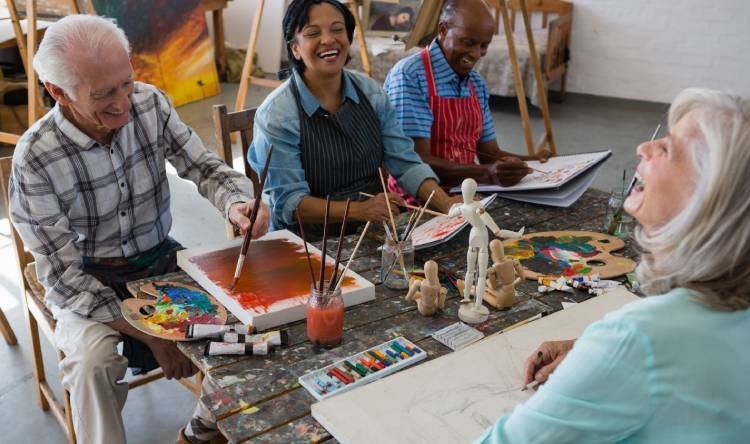
Collaborative projects—such as painting a communal mural or crafting traditional decorations—bring elders and youth together creatively. Seniors can teach folk art techniques while younger participants introduce digital art methods. These partnerships merge old and new, strengthening social groups for senior citizens by creating tangible connections and shared pride in completed projects.
Global Best Practices in Intergenerational Programs
In Canada, “grandfriend” initiatives pair elementary students with seniors for weekly visits at senior homes, promoting mutual learning. Japan’s “Ibasho cafés” are shared spaces where elders and youth dine, chat, and perform together—reducing social isolation. In Sweden, community gardens host intergenerational gardening days, where seniors share horticultural wisdom with aspiring gardeners. These global best practices demonstrate that purposeful interaction can dramatically improve elders’ emotional health and reduce loneliness.
Addressing Loneliness in Senior Adults Through Bonding
Loneliness in senior adults often stems from feeling irrelevant or unheard. Intergenerational events reassign seniors to roles of teacher, mentor, and storyteller—roles that bring respect and attention. When seniors witness the eager faces of youth hanging on their every word, they feel a renewed sense of belonging. This emotional lift combats depression and fosters resilience, proving that social engagement is a vital form of elder care.
Rebuilding Elderly Respect in Families
Traditional Indian culture once revered elders as family pillars, but modern pressures often overlook this value. Community events that highlight seniors’ wisdom and life experience restore elderly respect in families. When families participate together—whether assisting in event planning or attending alongside their elders—they reinforce the message that seniors remain central to cultural continuity. This restoration of respect strengthens familial bonds and encourages younger generations to prioritize elder well-being.
Emotional Health of Senior Citizens Enhanced by Connection
Emotional health of senior citizens depends heavily on feeling connected and purposeful. Intergenerational bonding creates emotional safety, allowing seniors to express joy, nostalgia, and even grief. This emotional release is crucial for mental well-being. By engaging regularly with youth, seniors experience laughter, curiosity, and renewed self-worth—ingredients that improve mood and cognitive function.
Designing Effective Intergenerational Events in India
Effective intergenerational events in India blend cultural relevance with accessibility. Choose venues such as community centres, temples, or elder-friendly parks. Activities might include joint dance lessons (classical meets contemporary), language exchange sessions (teach elders basic texting in regional languages), and collaborative cooking workshops (grandmother’s recipes meet modern plating). Incorporate breaks for tea and snacks that allow organic conversation. Ensure mobility support—wheelchairs, seating, and gentle assistance—so seniors can fully participate without strain.
Elder Special’s Successful Intergenerational Initiatives
Elder Special’s elder inter generational events pair local schools with senior homes, creating fortnightly gatherings where elders teach traditional crafts and youth showcase tech projects. Recently, in a Delhi suburb, an event had seniors guiding grandchildren in rangoli art while teens recorded the process on tablets—bridging generations through creativity. These events include a brief “Brain Boost” memory game and a health tip by a stationed nurse, ensuring emotional and physical well-being. Every participant leaves feeling heard, respected, and invigorated.
Next Steps: Encouraging Community Participation
Building a culture of intergenerational bonding requires community buy-in. Neighbours, local NGOs, schools, and Rotary clubs can volunteer space, resources, or mentorship. Families can simply start by inviting an elder and a child to share a meal or story. Elder Special encourages readers to nominate family elders, register for upcoming intergenerational events, and spread awareness. By weaving these connections into daily life, we can create a future where age is celebrated, not sidelined.
FAQs
What are the key challenges faced by India’s ageing population?
India’s ageing population faces multiple challenges: limited elders access to healthcare, social isolation, financial insecurity, and lack of age-friendly infrastructure. Traditional joint-family support is weakening due to urbanisation and migration. Many seniors struggle with technology, making it hard to access telemedicine or financial services. Addressing these issues requires community-driven solutions such as elder groups, elder care events, and local health camps.
How can elder groups and weekly meets address healthcare access for seniors?
Elder groups and weekly meets help bridge healthcare access gaps by organising mobile health camps and inviting doctors for on-site consultations. Nurses and volunteers at these sessions guide seniors through screenings—like blood pressure and diabetes checks—making preventive care convenient. Regular meetings build trust, encouraging seniors to follow up on referrals and manage chronic conditions more effectively. Community advocates can also assist with transportation to larger clinics when necessary.
What makes elder care events effective in local communities?
Elder care events become effective when they are culturally relevant, conveniently located, and respectful of senior needs. Combining fun activities—like games or prayer sessions—with health services reduces stigma and encourages participation. Having nurses and first-aid resources on standby ensures safety, while a communal meal fosters belonging. When elders feel welcomed and valued, these events strengthen social networks and support emotional well-being.
How do global best practices inform local solutions in India?
Global best practices shine a light on scalable, low-cost models: Japan’s mobile clinic vans, Sweden’s community living programmes, or Canada’s friendship benches. India can adapt these by using local community halls as health kiosks or pairing seniors with tech-savvy youth for virtual check-ins. The key is preserving local culture—serving regional snacks, using native languages, and integrating familiar rituals—while applying proven frameworks that combat isolation and enhance healthcare access.
How does Elder Special support the emotional and physical needs of seniors?
Elder Special offers a holistic approach by organising elder weekly meets and health camps for elders, combining medical check-ups with social activities. Each event includes a health talk, technology tutorial, interactive games, and a shared meal. With nurse support, wheelchair access, and first-aid kits, seniors participate confidently. By involving elders in co-designing activities, Elder Special ensures relevance and emotional connection—championing both physical well-being and mental resilience.