
Synopsis
India’s ageing population is growing rapidly, posing urgent ageing population problems and solutions for communities. With more seniors facing elders access to healthcare issues, social isolation, and financial vulnerability, local interventions have become vital. Elder groups, elder weekly meets, and elder care events can help bridge gaps by offering healthcare outreach, social engagement, and practical support. Global models—such as community clinics in Japan and senior day programmes in Canada—demonstrate that local, culturally attuned efforts can transform elder well-being. This blog explores how village networks, urban elder kitty groups, and resident-led elder weekly meets are already making a difference. We also highlight how elder care events, health camps for elders, and peer-led elder groups can be scaled across India—ensuring no senior is left behind. By combining grassroots empathy with structured support, we can address the challenge of ageing population in India one neighbourhood at a time.
Table of Contents
- Understanding the Ageing Population in India
- Key Ageing Population Problems and Solutions
- Limited Elders Access to Healthcare
- Social Isolation and Support Gaps
- The Power of Elder Groups and Elder Weekly Meets
- Community-Led Solutions
- Peer Support and Knowledge Sharing
- Role of Elder Care Events and Health Camps
- Lessons from Global Best Practices
- Local Adaptations that Work in Indian Context
- How Elder Special Empowers Local Communities
- Moving Forward: Building an Inclusive Future
Understanding the Ageing Population in India
India’s demographic shift toward a larger senior cohort is undeniable. By 2030, around 19% of the population will be over 60, intensifying ageing population problems and solutions at every level of society. While increased life expectancy is a triumph of healthcare, it also strains resources: hospitals, pension systems, and caregiving networks. Many seniors, especially in rural areas, still lack basic access to healthcare, making preventive care nearly impossible. As families become nuclear and young adults migrate to cities, elders access to healthcare and daily support shrinks. Recognising this challenge is the first step toward crafting effective, localised responses.
Key Ageing Population Problems and Solutions
Limited Elders Access to Healthcare
One of the most pressing ageing population problems and solutions lies in healthcare reach. Many seniors cannot travel long distances for even basic check-ups. Traditional clinics may be culturally intimidating or physically inaccessible. Mobile health camps for elders, supported by NGOs and local volunteers, can bring screenings, medication management, and counselling directly to neighbourhoods. These elder care events strengthen trust, deliver timely medical attention, and prevent complications from unmanaged conditions. Simple solutions—like recurring monthly health camps—ensure continuity of care and build local healthcare capacity.
Social Isolation and Support Gaps
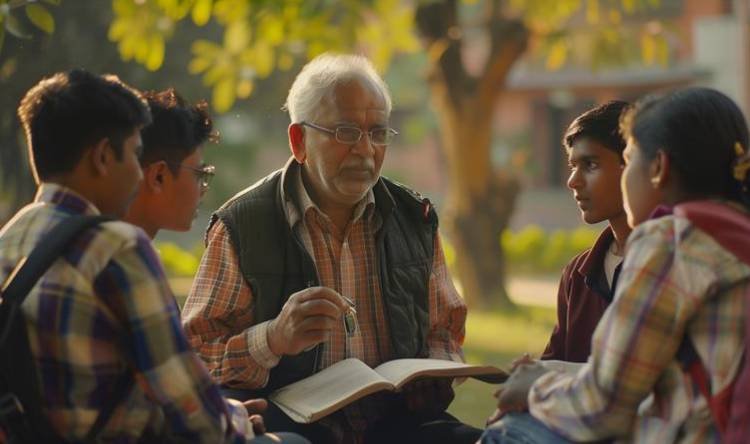
Social isolation exacerbates physical ailments and mental stress among seniors. Without ritual gatherings, elders risk drifting into loneliness, which intensifies cognitive decline. Elder groups and elder weekly meets can address these gaps by providing structured social engagement and mutual support. By gathering in community centres or parks, seniors share experiences, exchange caregiving tips, and maintain emotional resilience. Local elders often know each other’s families, creating informal safety nets and reducing caregiver burden. These peer-led networks form the backbone of community-driven elder care solutions.
The Power of Elder Groups and Elder Weekly Meets
Community-Led Solutions
Elder groups empower seniors to collaborate on solutions. For example, in a Kerala village, an elder group pooled resources to hire a nurse for weekly evenings at the community hall. In urban Mumbai, an elder kitty group organises ridesharing for medical appointments. These neighbourhood efforts demonstrate that ageing population problems and solutions often start with local leaders identifying shared needs. Elder special weekly meets become platforms for brainstorming, skill-sharing (such as basic smartphone tutorials), and planning elder care events that resonate with participants.
Peer Support and Knowledge Sharing
Within elder groups, members share personal strategies—like home remedies for joint pain or tips for balancing a budget on a fixed income. These peer interactions build trust and reduce stigma around issues like mental health or financial insecurity. When a peer explains how to navigate a hospital referral process, elders access healthcare more confidently. The regularity of elder weekly meets cements bonds, ensuring seniors feel understood and less alone. This collective wisdom becomes a powerful antidote to the challenges of ageing.
Role of Elder Care Events and Health Camps
Elder care events integrate critique-free social time with proactive health interventions. A typical health camp for elders might include blood pressure checks, diabetes screening, eye exams, and a brief talk on common medication interactions. Held at a familiar community hall or 3-star hotel, these camps reduce the intimidation factor of hospitals. By combining medical check-ups with interactive sessions—such as gentle group exercises—and refreshments, events encourage participation. Nutritional guidance, fall-prevention demos, and mental health check-ins further address ageing population problems. When seniors walk away feeling both cared for and celebrated, their trust in the system grows.
Lessons from Global Best Practices
Around the world, community-based models offer inspiration. Japan’s “Silver Human Resource Centers” employ seniors in roles that match their skills and interests, combating both isolation and inactivity. Sweden’s “Shared Living” programmes pair seniors with college students, creating intergenerational harmony and reducing loneliness. In rural Canada, volunteer-driven elder circles host regular “friendship benches,” where seniors gather informally to talk and share tea. India can learn from these models by adapting them to local culture—such as using temple grounds for elder meets or pairing tech-savvy youth with remote village elders for virtual check-ins.
Local Adaptations that Work in Indian Context
Several Indian communities are already embracing local solutions. In Tamil Nadu, “Kuttam” groups meet every Tuesday for health screenings followed by a storytelling circle. In Gujarat, elder kitty groups pool small funds to hire physiotherapists for on-site sessions. In Mumbai’s slums, NGOs conduct monthly health camps that include glasses distribution and dental check-ups. These grassroots efforts highlight the importance of cultural familiarity—elders responding positively when events are held in their local language, feature regional snacks, and integrate rituals like prayer gatherings.
How Elder Special Empowers Local Communities
Elder Special collaborates with local panchayats, RWAs, and NGOs to facilitate elder groups and elder weekly meets across cities. Each event includes four hours of curated activities: a brief health talk, a “learn a tech trick” session, interactive games, and a group meal in a senior-friendly environment. Nurses, wheelchairs, and first-aid kits are on standby to ensure safety. By embedding these elder care events within existing community structures—like clubs, temples, or residential complexes—Elder Special ensures sustainability. Seniors not only attend but also co-design activities, reinforcing ownership and relevance.
Moving Forward: Building an Inclusive Future
The challenge of ageing population in India requires collective empathy, innovation, and action. From elder weekly meets that foster belonging, to health camps that safeguard physical well-being, localised solutions can be scaled across states. When communities prioritise elders’ dignity, emotional health, and practical needs, societal benefits follow: reduced caregiver stress, stronger intergenerational bonds, and a culture that honours wisdom. Elder Special’s model proves that addressing ageing population problems and solutions is not only possible but also deeply rewarding—turning each neighbourhood into a tapestry of support for seniors.
FAQs
What are the key challenges faced by India’s ageing population?
India’s ageing population faces multiple challenges: limited elders access to healthcare, social isolation, financial insecurity, and lack of age-friendly infrastructure. Traditional joint-family support is weakening due to urbanisation and migration. Many seniors struggle with technology, making it hard to access telemedicine or financial services. Addressing these issues requires community-driven solutions such as elder groups, elder care events, and local health camps.
How can elder groups and weekly meets address healthcare access for seniors?
Elder groups and weekly meets help bridge healthcare access gaps by organising mobile health camps and inviting doctors for on-site consultations. Nurses and volunteers at these sessions guide seniors through screenings—like blood pressure and diabetes checks—making preventive care convenient. Regular meetings build trust, encouraging seniors to follow up on referrals and manage chronic conditions more effectively. Community advocates can also assist with transportation to larger clinics when necessary.
What makes elder care events effective in local communities?
Elder care events become effective when they are culturally relevant, conveniently located, and respectful of senior needs. Combining fun activities—like games or prayer sessions—with health services reduces stigma and encourages participation. Having nurses and first-aid resources on standby ensures safety, while a communal meal fosters belonging. When elders feel welcomed and valued, these events strengthen social networks and support emotional well-being.
How do global best practices inform local solutions in India?
Global best practices shine a light on scalable, low-cost models: Japan’s mobile clinic vans, Sweden’s community living programmes, or Canada’s friendship benches. India can adapt these by using local community halls as health kiosks or pairing seniors with tech-savvy youth for virtual check-ins. The key is preserving local culture—serving regional snacks, using native languages, and integrating familiar rituals—while applying proven frameworks that combat isolation and enhance healthcare access.
How does Elder Special support the emotional and physical needs of seniors?
Elder Special offers a holistic approach by organising elder weekly meets and health camps for elders, combining medical check-ups with social activities. Each event includes a health talk, technology tutorial, interactive games, and a shared meal. With nurse support, wheelchair access, and first-aid kits, seniors participate confidently. By involving elders in co-designing activities, Elder Special ensures relevance and emotional connection—championing both physical well-being and mental resilience.